

Branding at Events: Stand Out with These Techniques

Branding at events is a powerful tool that can elevate your business's visibility, enhance customer engagement, and create lasting impressions. In a competitive marketplace, having a well-defined and executed brand presence at events can distinguish your business from the crowd.

Quick Summary
Branding at events is a vital strategy for enhancing visibility and engagement. Understanding your audience and creating a consistent brand identity is essential. Utilizing digital platforms and social media can expand reach, while an engaging booth design fosters attendee interaction. Offering valuable branded swag generates lasting impressions, and hosting workshops further establishes authority. Employing well-trained professional staff enhances attendee experience, and measuring results shar
This blog post will provide you with actionable techniques for successful event branding, ensuring your brand stands out and resonates with your audience.
Understand Your Audience
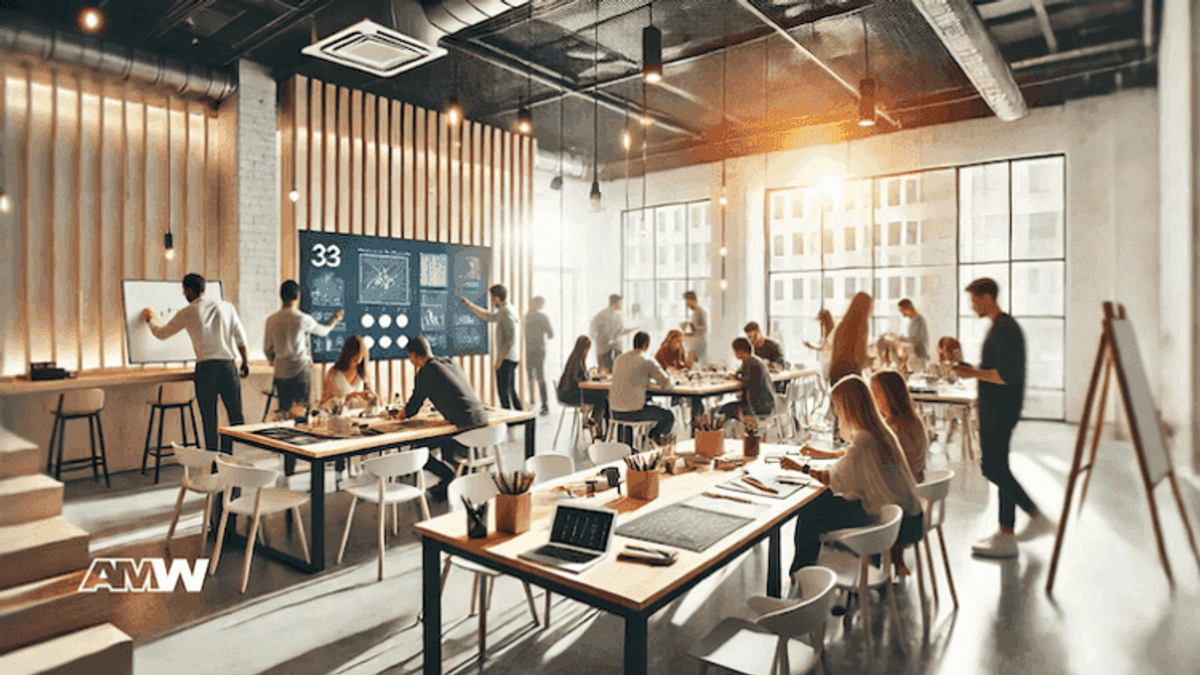
The foundation of effective branding at events lies in understanding your audience. Identifying the target demographics for your brand event is crucial. Do research to understand the preferences and expectations of the attendees.
Ready to Grow Your Business?
Get a custom strategy tailored to your goals.
For instance, if you are branding an event aimed at tech enthusiasts, incorporating interactive digital elements and showcasing the latest technological advancements can captivate your audience.
Create a Consistent Brand Identity
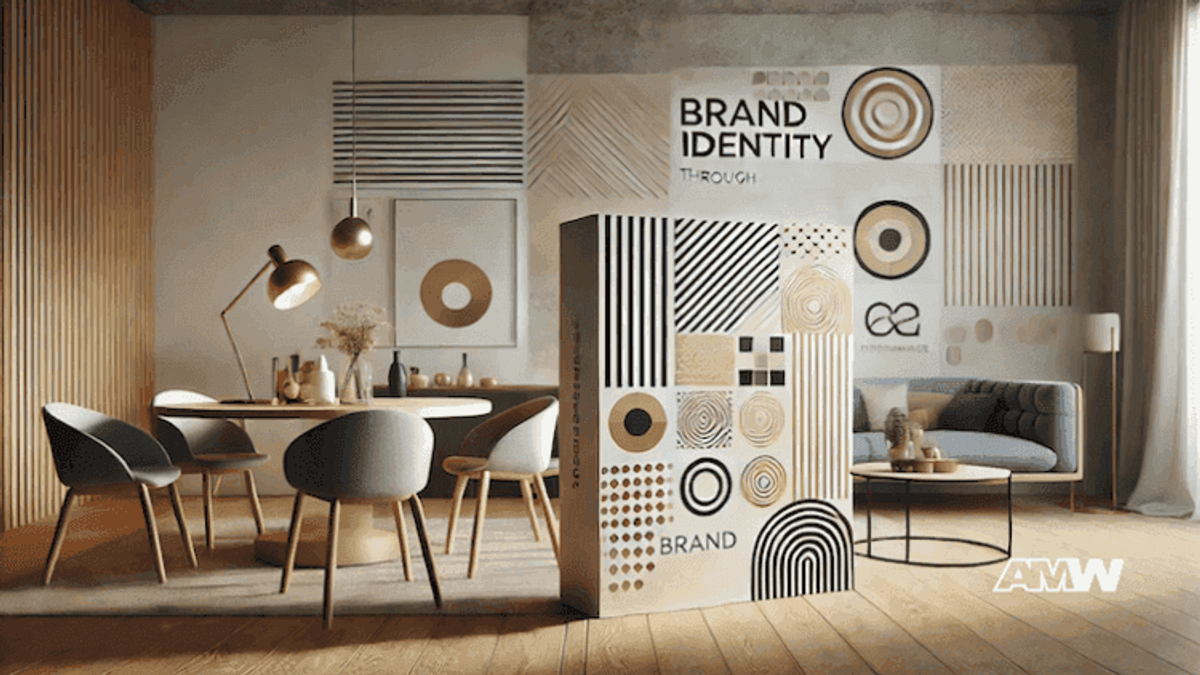
Consistency is key in event branding design. Make sure all branding elements, like logos, colors, and fonts, match your overall brand identity . A cohesive look across all materials reinforces brand recognition and strengthens your brand's presence.
It's essential to maintain this consistency across all touchpoints, including booths, signage, and marketing collateral.
Consistent branding at events helps create a unified and professional appearance, making it easier for attendees to identify and remember your brand.
Digital and Social Media
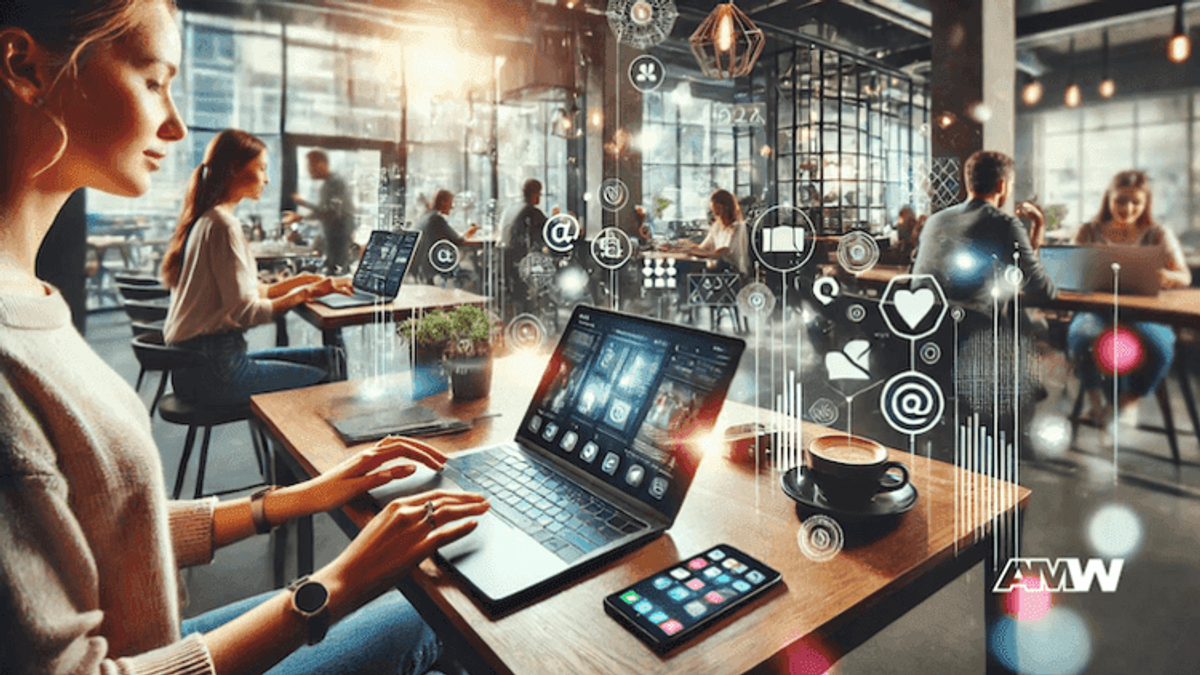
Digital and social media are essential for branded events . Use social media to promote your presence before, during, and after the event. Create event hashtags and encourage them to share.
This not only increases your brand's reach but also creates a sense of community among participants. Live-streaming key moments of the event can further engage a broader audience who may not be physically present. Digital engagement amplifies the impact of your event branding efforts and keeps your brand top-of-mind.
Design an Engaging Booth or Space
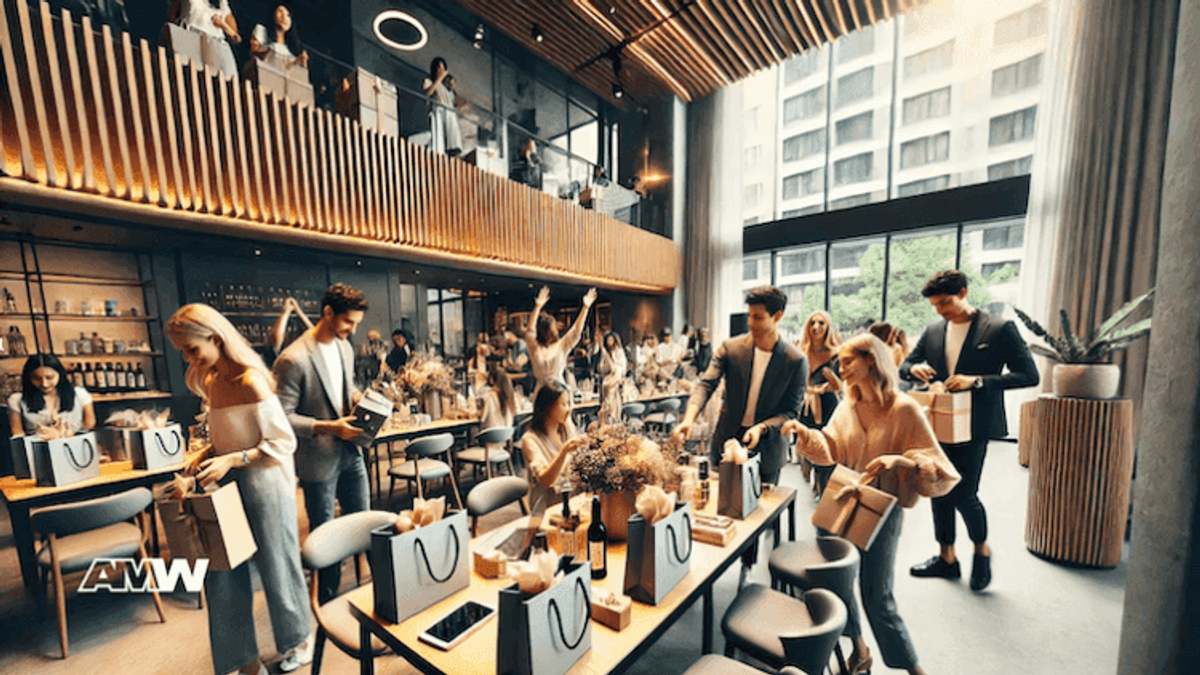
The design of your booth or event plays an important role in attracting and retaining attendees. Invest in high-quality displays and interactive elements that draw attention. Incorporating technology such as augmented reality (AR) or virtual reality (VR) experiences can create immersive and memorable interactions.
Providing comfortable and inviting areas for networking and discussions encourages attendees to spend more time at your booth. An engaging event branding design can transform your space into a vibrant hub of activity, enhancing your brand's visibility and appeal.
Offer Branded Swag and Giveaways
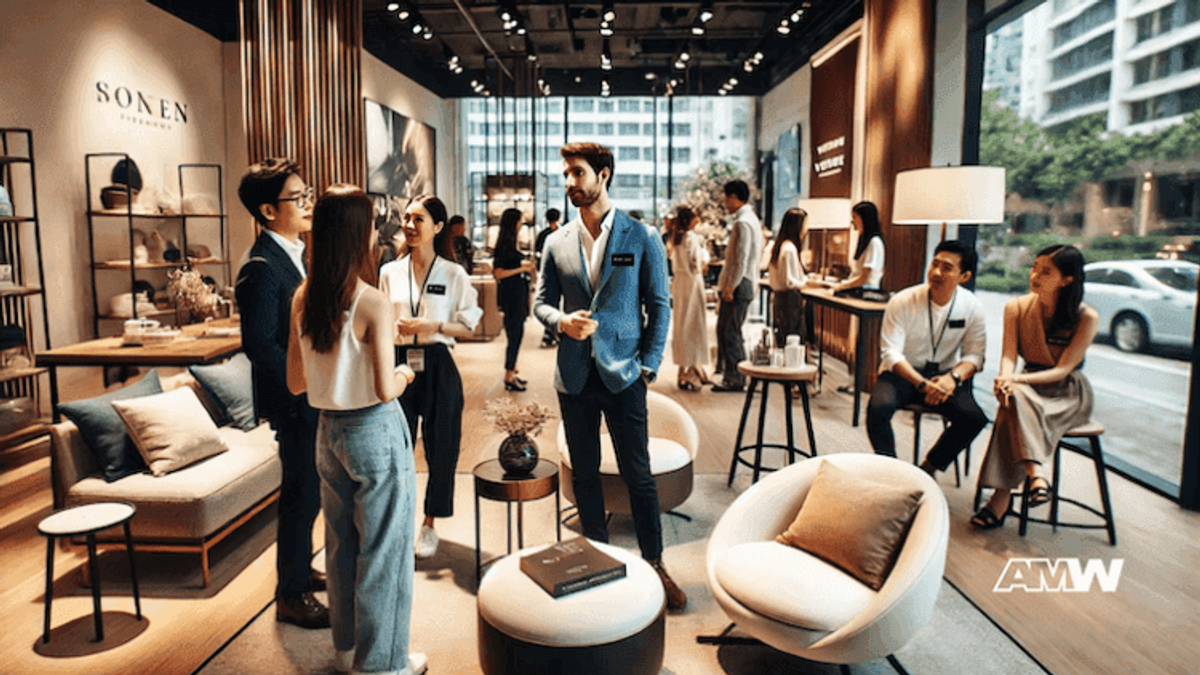
Offering branded swag and giveaways is a tried-and-true method to leave a lasting impression. Choose practical and memorable items that attendees will value and use beyond the event. Ensure all swag is branded with your logo and message, reinforcing your brand identity.
Consider eco-friendly to appeal to environmentally conscious attendees. High-quality branded items serve as tangible reminders of your brand event , extending your reach and keeping your brand in the minds long after the event.
By using these techniques in your event branding strategy , you can create a strong, unified brand presence.
Host Interactive Workshops or Sessions
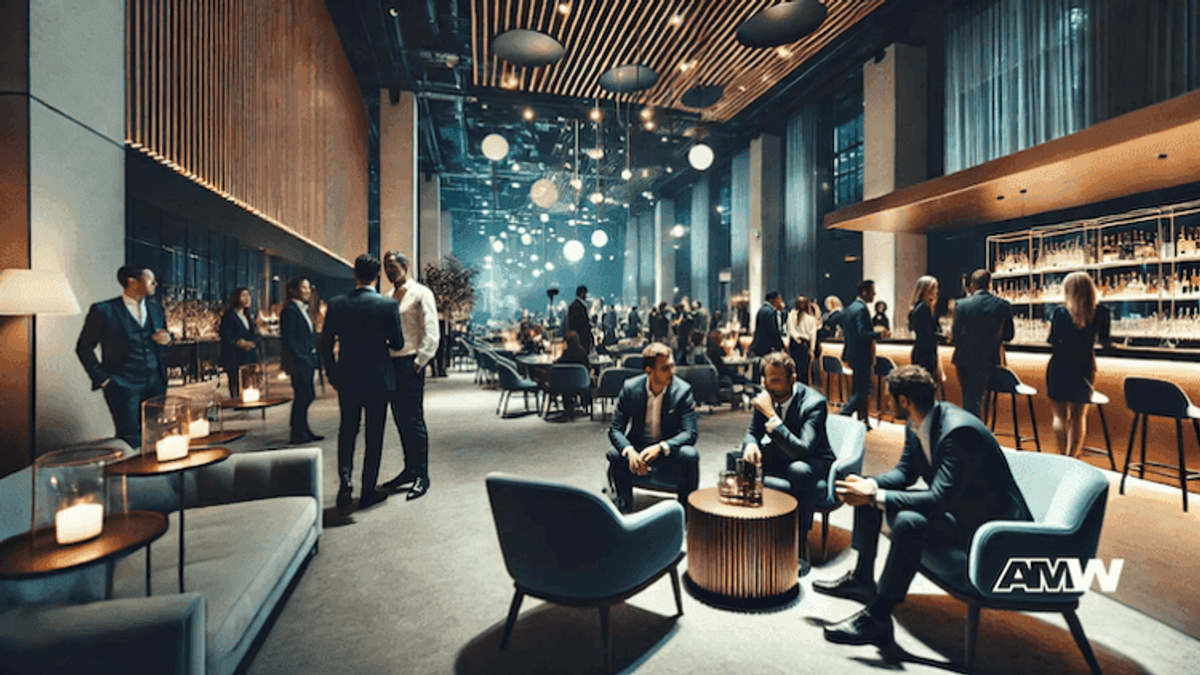
Interactive workshops or sessions are excellent avenues for branding an event. Organize branded workshops that offer valuable insights relevant to your industry. Involving industry experts or influencers can attract a larger audience.
Ready to Grow Your Business?
Get a custom strategy tailored to your goals.
These sessions provide a platform to showcase your expertise, engage directly with attendees, and reinforce your brand's authority in the field.
For instance, hosting a workshop on the latest trends in digital marketing can position your brand as a thought leader and attract attendees interested in gaining new knowledge.
Utilize Professional Staff and Ambassadors
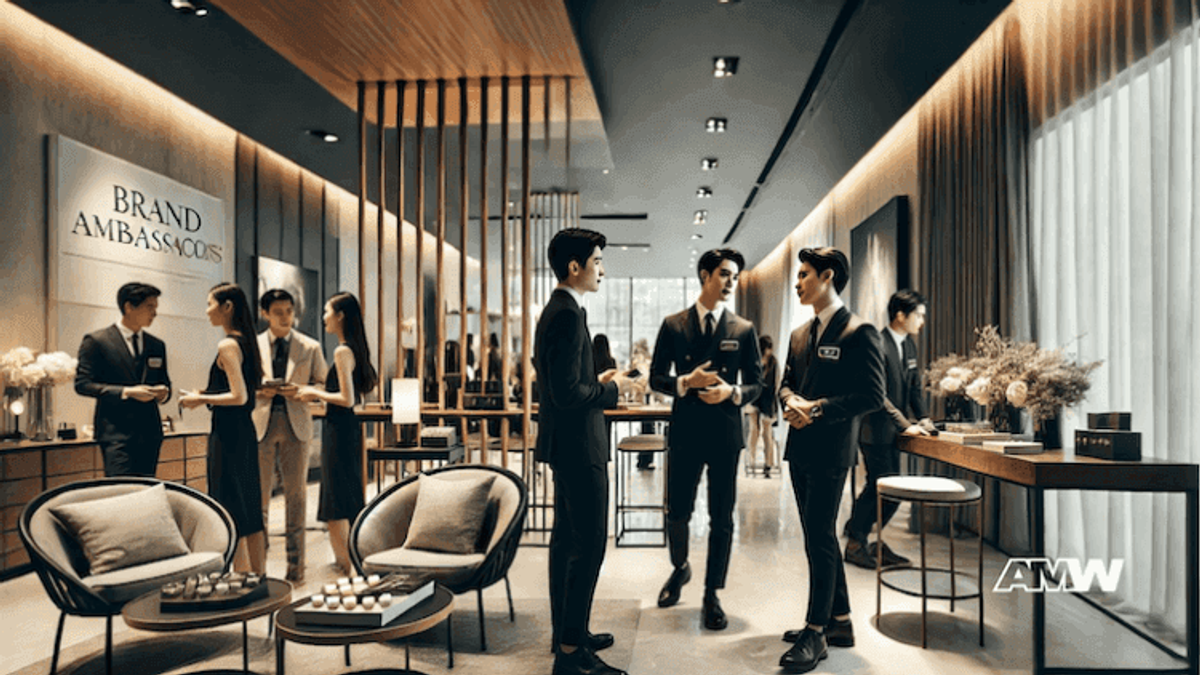
Your staff and brand ambassadors play a crucial role in the success of events for brands. Train your team to embody your brand values and communicate your brand message effectively.
Employing knowledgeable and approachable brand ambassadors who can engage with attendees enhances the overall experience. They should be well-versed in your products or services and able to answer any questions.
Professional staff and ambassadors ensure a positive and memorable interaction with your brand , reinforcing your brand identity and creating a favorable impression.
Measure and Analyze Results
To ensure the effectiveness of your brand marketing event, it is essential to measure and analyze the results. Set clear objectives and KPIs before the event. Collect data on attendee interactions, social media engagement, lead generation , and overall brand visibility. Analyzing this data helps you understand what worked and what didn't, allowing you to refine and improve your event branding strategies for future events.
For example, if you notice high engagement on certain social media posts, you can replicate similar content in future events to maintain or increase engagement.
Conclusion
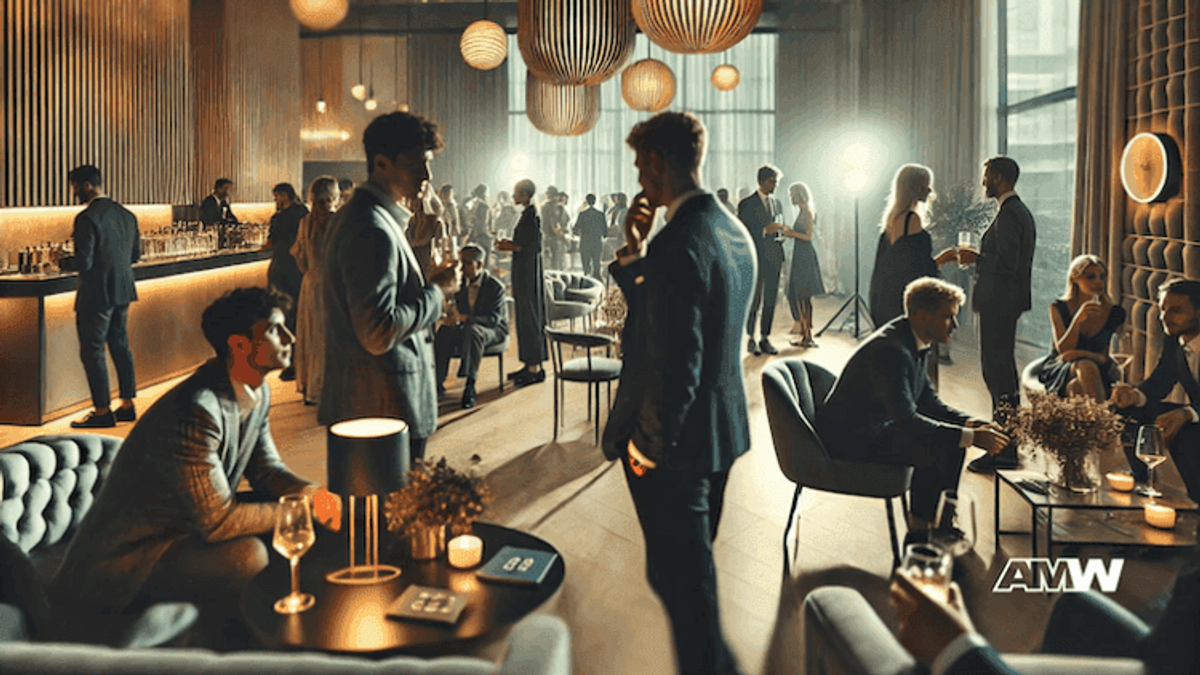
Effective branding at events requires a strategic and comprehensive approach. By understanding your audience, maintaining a consistent brand identity, leveraging digital and social media, designing engaging booths, offering branded swag, hosting interactive sessions, utilizing professional staff, and measuring results, you can create a memorable and impactful brand presence.
These techniques ensure your brand stands out and resonates with attendees, ultimately enhancing your brand's visibility and engagement.
FAQ
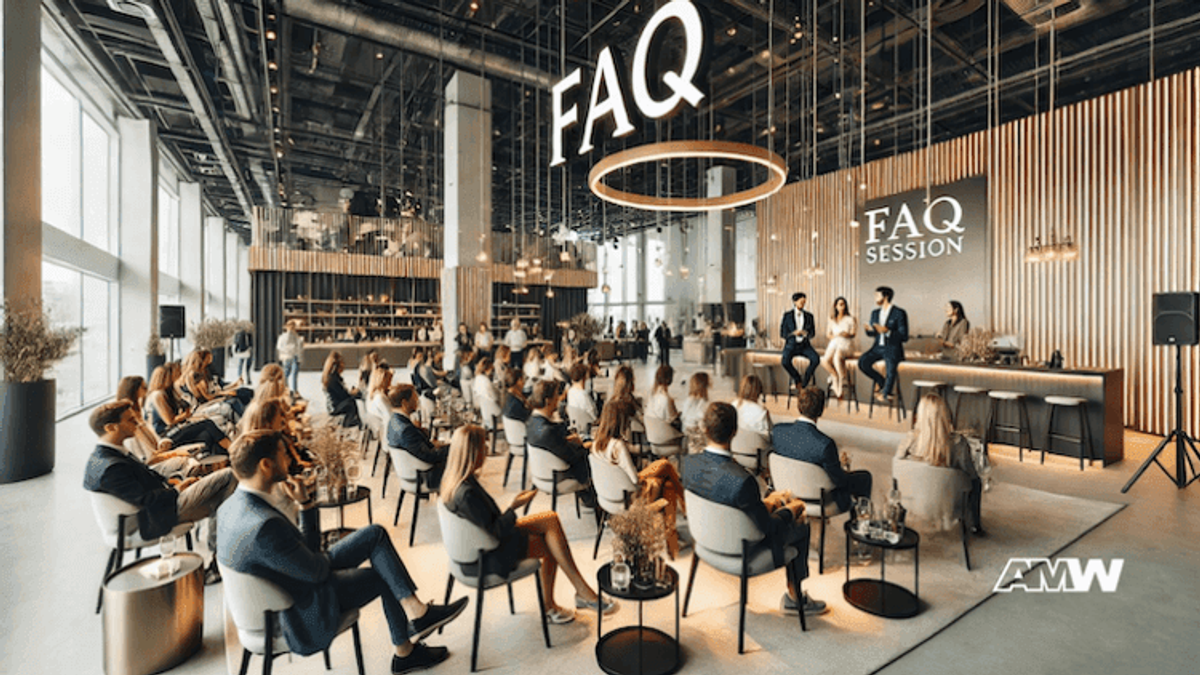
What are the key benefits of branding at events?
Branding at events significantly increases brand visibility, enhances engagement with potential customers, and creates memorable experiences that differentiate your brand from competitors.
How can I ensure consistency in my brand identity at events?
Consistency can be ensured by adhering to established brand guidelines, using uniform branding elements across all materials, and training staff to represent the brand consistently.
Ready to Grow Your Business?
Get a custom strategy tailored to your goals.
What types of swag are most effective for event branding?
Practical and memorable items such as reusable water bottles, tech gadgets, eco-friendly bags, and branded stationery tend to be effective. It's important that the items are useful and aligned with your brand values.
How can I measure the success of my branding efforts at an event?
Success can be measured through the number of leads, social media engagement, attendee feedback, and the overall increase in brand awareness .
What role do digital and social media play in event branding?
Digital and social media play a crucial role in promoting your event presence, engaging with attendees, amplifying your reach, and collecting real-time feedback. They are essential tools for pre-event marketing and post-event follow-up.
Strategic Event Sponsorship and Partnership Branding
Strategic partnerships and sponsorships at events can exponentially increase your brand's reach and credibility. When selecting sponsorship opportunities, align with events that naturally connect with your target audience and brand values. Consider different sponsorship tiers, from title sponsorship that places your brand prominently in the event name, to specific session sponsorships that associate your brand with relevant content. Co-branding opportunities with complementary businesses can also create powerful synergies that benefit both parties.
Negotiate sponsorship packages that include multiple touchpoints throughout the event experience. This might include pre-event email mentions, prominent logo placement on event materials, speaking opportunities for your executives, and exclusive networking sessions. The key is to integrate your brand naturally into the event flow rather than appearing as an intrusive advertisement. Document the sponsorship benefits and track metrics like brand mentions, logo visibility time, and audience engagement to calculate your return on investment.
Leverage partnership announcements as content opportunities before, during, and after the event. Share behind-the-scenes preparation content, highlight collaborative efforts with other sponsors, and create joint content that showcases the partnership value. This approach not only maximizes your sponsorship investment but also demonstrates your brand's collaborative spirit and industry connections.
Creating Memorable Brand Experiences Through Storytelling
Storytelling transforms ordinary event interactions into emotional connections that attendees remember long after the event ends. Develop a compelling narrative that weaves through every aspect of your event presence, from booth design to staff conversations. Your brand story should address attendee pain points, showcase customer success stories, or demonstrate your company's mission and values in action. Consider creating a journey through your booth that tells this story chronologically, using visual displays, interactive elements, and personal testimonials.
Implement experiential storytelling techniques such as customer journey mapping displays, before-and-after showcases, or timeline presentations that illustrate your brand's evolution and impact. Train your staff to share specific anecdotes and case studies rather than generic product features. Use multimedia elements like video testimonials, photo galleries, or interactive timelines that allow attendees to explore different aspects of your brand story at their own pace.
Document and share attendee reactions to your brand story through real-time social media updates, creating a secondary narrative about how your story resonates with your audience. This user-generated content becomes valuable social proof and extends your storytelling impact beyond the physical event space. Follow up with attendees by sending personalized messages that reference specific story elements they engaged with during the event.
Post-Event Brand Relationship Building and Follow-Up
The most successful event branding extends far beyond the event itself through strategic follow-up and relationship nurturing. Develop a comprehensive post-event communication strategy that segments attendees based on their level of engagement and interest demonstrated during the event. Create personalized follow-up sequences that reference specific interactions, conversations, or interests expressed at your booth. This might include customized content recommendations, exclusive offers, or invitations to continue conversations through scheduled calls or meetings.
Leverage the momentum from your event presence by creating post-event content that extends the experience. Share event highlights, attendee testimonials, key takeaways from presentations, and behind-the-scenes moments that humanize your brand. Develop case studies from successful connections made at the event and use these as social proof for future events. Create exclusive content or resources for event attendees, such as detailed guides, exclusive webinars, or early access to new products or services.
Establish a systematic approach to tracking and nurturing event-generated leads through your CRM system. Tag contacts with specific event information, interaction details, and interest levels to ensure appropriate follow-up timing and messaging. Set up automated nurture sequences while also planning personalized outreach for high-value prospects. Measure the long-term impact of your event branding efforts by tracking conversion rates, customer acquisition costs, and lifetime value of event-generated leads. This data becomes invaluable for planning future event investments and refining your branding strategies.

Ready to Grow Your Business?
Get a custom strategy tailored to your goals.
Frequently Asked Questions
How much should I budget for event branding activities?
Event branding budgets typically range from 15-25% of your total event budget. This includes booth design, branded materials, digital displays, promotional items, and staff training. For small events, expect $2,000-$5,000, while larger trade shows may require $15,000-$50,000+. Prioritize high-impact elements like professional booth design and quality branded giveaways. Consider ROI potential when allocating funds - interactive technology and memorable experiences often generate better leads than basic promotional materials.
What are the most common event branding mistakes businesses make?
Common event branding mistakes include inconsistent visual identity across materials, choosing cheap promotional items that reflect poorly on the brand, undertrained staff who can't effectively communicate brand values, and failing to follow up with leads post-event. Other mistakes include overcrowding booth spaces, neglecting social media engagement during the event, and not setting measurable objectives beforehand. These errors can significantly reduce brand impact and waste marketing investment.
How far in advance should I start planning my event branding strategy?
Begin event branding planning 3-6 months before the event date. This timeline allows sufficient time for booth design and production, custom promotional item creation, staff training, and pre-event marketing campaigns. Large trade shows may require 6-12 months advance planning. Early planning ensures better vendor availability, competitive pricing, and thorough strategy development. Last-minute branding efforts often result in higher costs, limited options, and reduced impact on attendees.
Which interactive technologies work best for event branding?
The most effective interactive technologies include touchscreen displays for product demonstrations, AR experiences that showcase products in real-world contexts, VR immersive brand experiences, interactive games with branded prizes, and live social media walls displaying event hashtags. QR codes linking to exclusive content and digital business card exchanges also drive engagement. Choose technologies that align with your audience demographics and provide genuine value rather than novelty alone.
How do I create an effective event hashtag for brand promotion?
Create event hashtags that are short (under 15 characters), memorable, brand-relevant, and easy to spell. Combine your brand name with the event theme or location, like #BrandNameSummit2024. Research hashtag availability across all social platforms before finalizing. Promote the hashtag pre-event through email campaigns and social media. Display it prominently at your booth and encourage staff to use it consistently. Unique, branded hashtags help track engagement and create community around your event presence.
What staff training is essential for successful event branding?
Essential staff training includes brand messaging consistency, product knowledge mastery, lead qualification techniques, and professional appearance standards. Train staff on elevator pitches, common attendee questions, and how to engage different personality types. Include social media guidelines, booth etiquette, and lead capture system usage. Role-playing exercises and brand story rehearsals ensure confident, authentic interactions. Well-trained staff become powerful brand ambassadors who can significantly amplify your event branding investment and create lasting positive impressions.
How do I follow up effectively after an event to maximize branding ROI?
Effective post-event follow-up begins within 24-48 hours while your brand is still fresh in attendees' minds. Send personalized emails referencing specific conversations, connect on LinkedIn with custom messages, and share relevant content based on expressed interests. Segment leads by qualification level and tailor follow-up frequency accordingly. Share event recap content on social media, send thank-you messages to booth visitors, and schedule follow-up meetings with qualified prospects within one week for optimal conversion rates.
Related Resources
Calculators
Pricing Guides
Related Articles

10 Creative Concepts for an Activation Event
Creating a memorable experience at an activation event is essential for building brand loyalty and enhancing participant engagement.

PR: Crafting a Public Relations Strategy
Planning a successful public relations (PR) campaign often involves a well-crafted strategy that can potentially influence a company's success. Whether for a corporate announcement, nonprofit initi

Events in the Community: Ideas to Bring People Together
Discover ideas for hosting community events that unite residents, support local businesses, and drive positive change in your area.