

Factors That Make Your Event Memorable

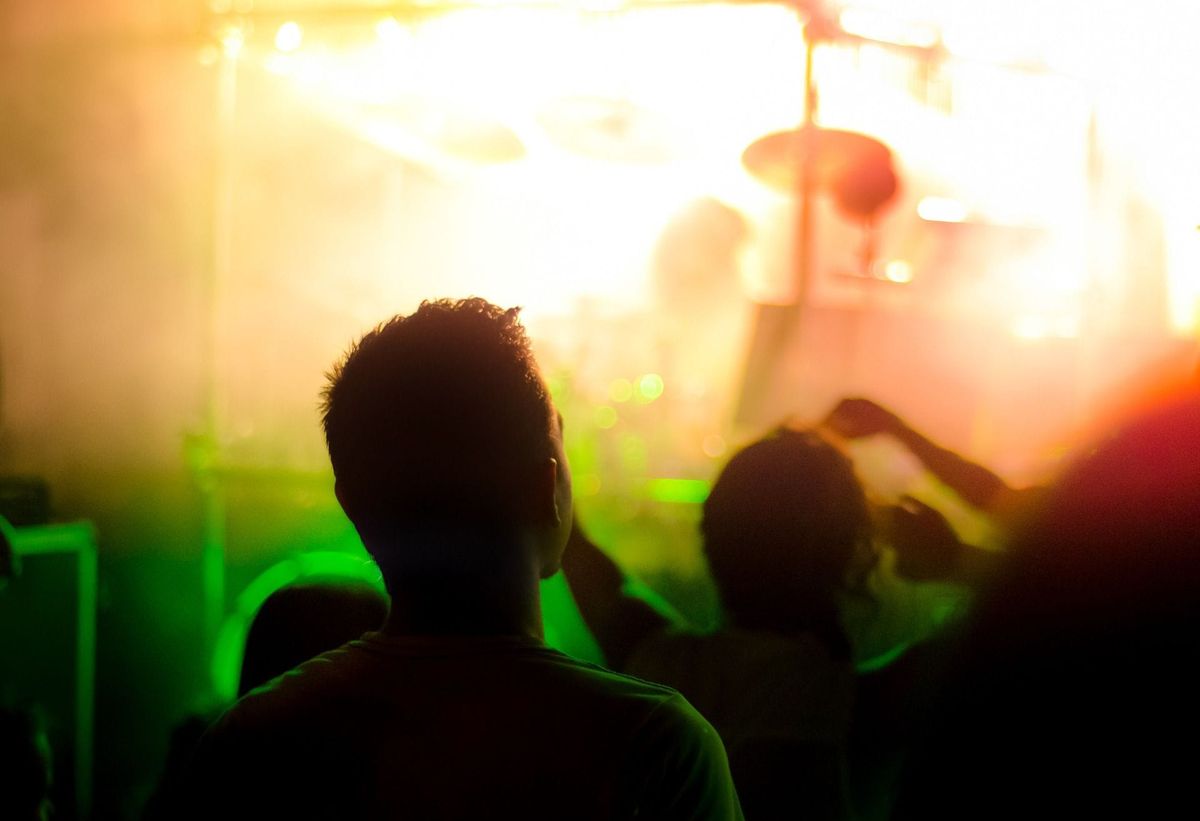
We all remember the good events we went to, and we also remember the bad events we went to. Then there are the completely forgettable events we went to, which we don’t even remember anymore, because nothing notable happened at them. If you are holding an event then you probably want to make it memorable in a good way. It isn’t hard to do this, you just have to consider the following few factors.

Quick Summary
To make your event memorable, focus on creating an atmosphere that is fun and engaging. Ensure attendees have activities to participate in, preventing boredom. Encourage mingling by arranging seating to promote interaction and placing conversation starters around. Additionally, prioritize lighting for photos, as great pictures encourage sharing on social media and create lasting memories. Thoughtful lighting can enhance appearances and attract guests to ideal photo spots, ensuring they remember
Make it fun
What will people do at the event? You don’t need games or a bouncy castle at the event (though, we must say, bouncy castles are a positive addition to pretty much every event except funerals and wakes). You just need to make sure that the people who are at the event have something to do. If you make people stand around for an hour with nothing to do, they are going to get bored and leave. They are also not going to remember anything about the event. Try to arrange some activities, some entertainment, or even some conversation starters.
Let people mingle
A great way to make an event memorable is to allow people to meet each other. You don’t want people sitting around awkwardly; you want them talking to each other and creating new relationships. There’s a lot you can do to make your event friendlier. You can arrange the seats in a way that people cannot sit alone or just as a couple. You can put some conversation pieces around. You can even do something as simple as hanging a few classic movie posters; the people around the movie posters will have something to talk to each other about.
Focus on lighting for the photos
You know what people do not forget? Good photos of themselves. If your event is a good place for photographs you have pretty much guaranteed that it will be memorable. People are going to post pictures of it on their own social media accounts. People are going to set their photo from the event as their profile picture, and your event will be remembered for a long time. The best method is to get the lighting right. Read up a few blogs about lighting conditions for photographs, and make sure that your event has lighting that makes people look good. Soft lighting, for example, makes blemishes and pimples harder to see, and makes people look like they are glowing. If you cannot change lighting of the whole venue, simply make sure there’s a corner where the lighting is good. You’ll see people naturally congregating there to have their pictures taken.

Related Resources
Calculators
Pricing Guides
Related Articles
PR for Celebrities: Strategies for Building a Strong Personal Brand
In the entertainment industry, the spotlight can be intense and not always in a good way. This is where public relations (PR) for celebrities is crucial, as it helps build a strong personal brand.
20 Social Media Marketing Ideas to Boost Online Presence
Social media is where your brand can really shine. But with so many social media platforms and options out there, it's easy to feel stuck.

Crisis Management 101 for Public Figures
In today's hyper-connected world, public figures—from CEOs to celebrities and influencers—face the constant risk of encountering a crisis that can threaten their reputation and career. Handling th