

How Artists can Benefit from a Digital PR Campaign

Achieving results on a time limit
Quick Summary
To enhance online promotion within a tight timeframe, artists must prioritize a strong press release and leverage social media to generate organic growth. Effective online advertising reaches audiences during peak browsing times, boosting visibility and sales. Key tactics include securing blog placements to enhance credibility and utilizing Boosted posts for crucial announcements. Establishing a memorable brand image is essential, allowing artists to focus on their craft while professionals mana
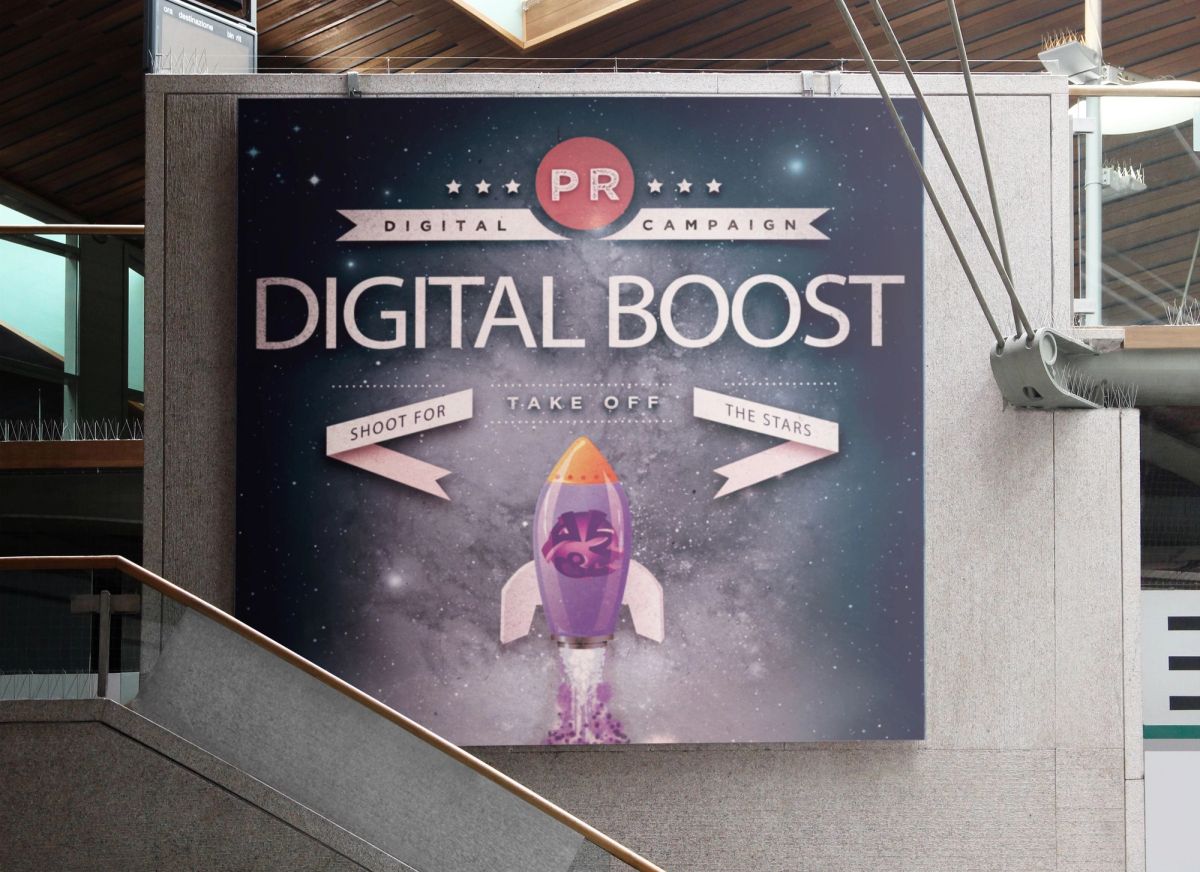
Billboards with a Boost
When you start to invest and participate in the online advertising arena, it is more important than ever to use rules for how much text you have, and capturing the attention of those on the news feed. When timed and planned right, this is what reaches people on their smart phones who are browsing on the lunch or dinner break for something new, and popular. Getting your artistry or brand to fall into the sphere of what’s currently popular will boost your sales, reputation, and general positive buzz about you and what you offer. Shoe brands, great music, and even culinary offerings are generating more clicks and posts than ever, and once your image or slogan is broadcast across that pipe of bandwidth, someone will stand up straight and take notice. Utilize Boosted posts to feature and promote your most important announcements to a large targeted audience.
Professional Branding
Creating an image that sticks in the web browser’s mind is also going to be high on any marketer’s list, and professional branding elements on a social media page will escalate the desire to click on it. A digital PR campaign at some point becomes a true necessity, as the fine line between just talking about something and looking at it online becomes a true addition to your marketing arsenal. Wouldn’t you rather be rehearsing songs or designing material while someone else concocts your perfect digital blend? Once your finely created craft is publicized across the right channels, your inspirational and planning times can do just what you always intended; shoot for the digital moon.
Check our Digital Boost™ Campaign and learn how we can help you reach new career heights today.

Jon Weirman is a writer at AMW covering event marketing, entertainment and events. He breaks down industry trends and strategies that help brands create memorable experiences.
Related Resources
Calculators
Pricing Guides
Related Articles
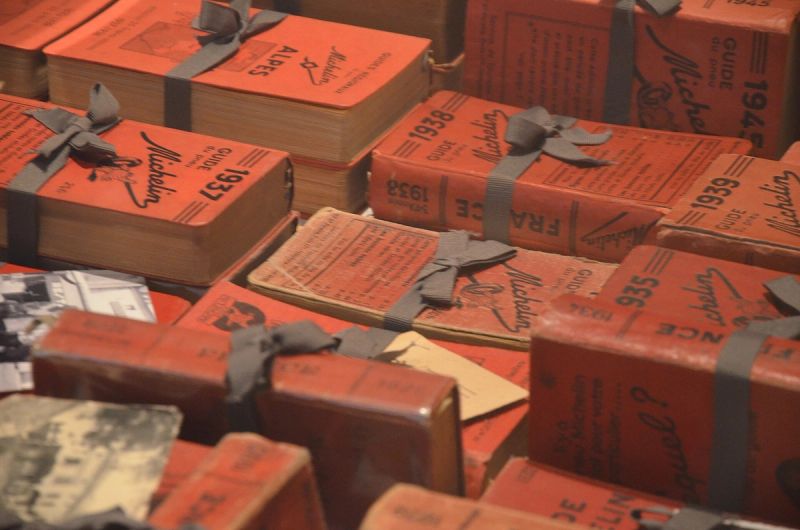
The Story of the Michelin Guide: How a Tire Company Wrote the World's Most Wanted Restaurant Book
In 1900 two tire makers gave away a red handbook to fewer than 3,000 French motorists. It became the most feared and wanted book in the restaurant world. The story of the Michelin Guide, and what it still teaches about giving customers a reason to buy.
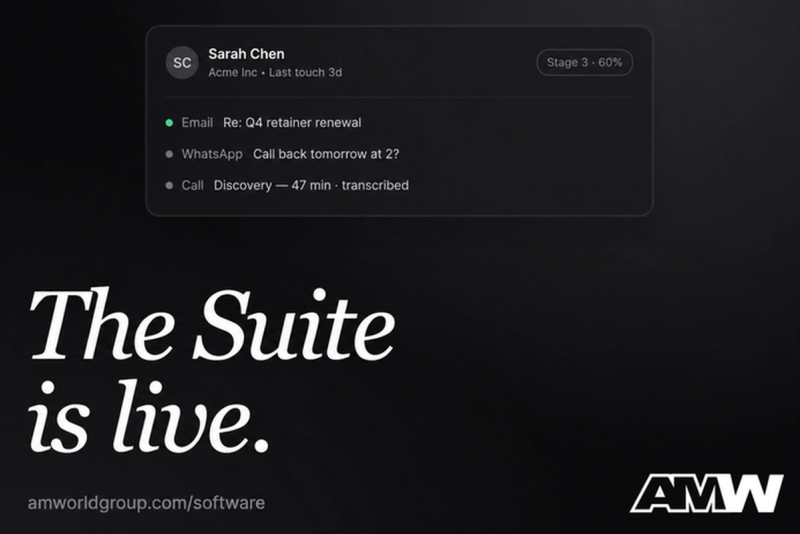
AMW Launches the AMW Suite: The All-in-One Business Platform With AI Agents Built In
AMW has announced the launch of the AMW Suite, a new all-in-one software platform designed to unify business software and AI agents under a single subscription.
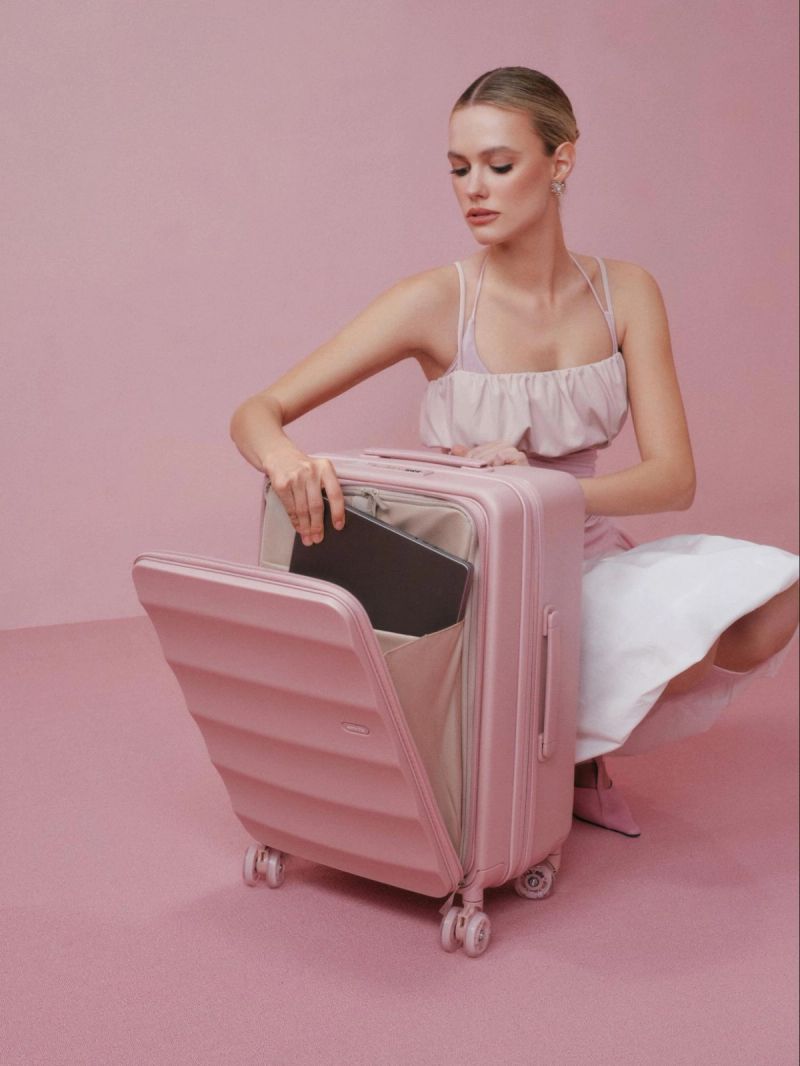
4MYTU Reimagines the Carry-On Around the Front Pocket
The Tank Series redefines premium travel luggage — engineered from behaviour, not convention.