

How Social Activism Can Impact Your Brand

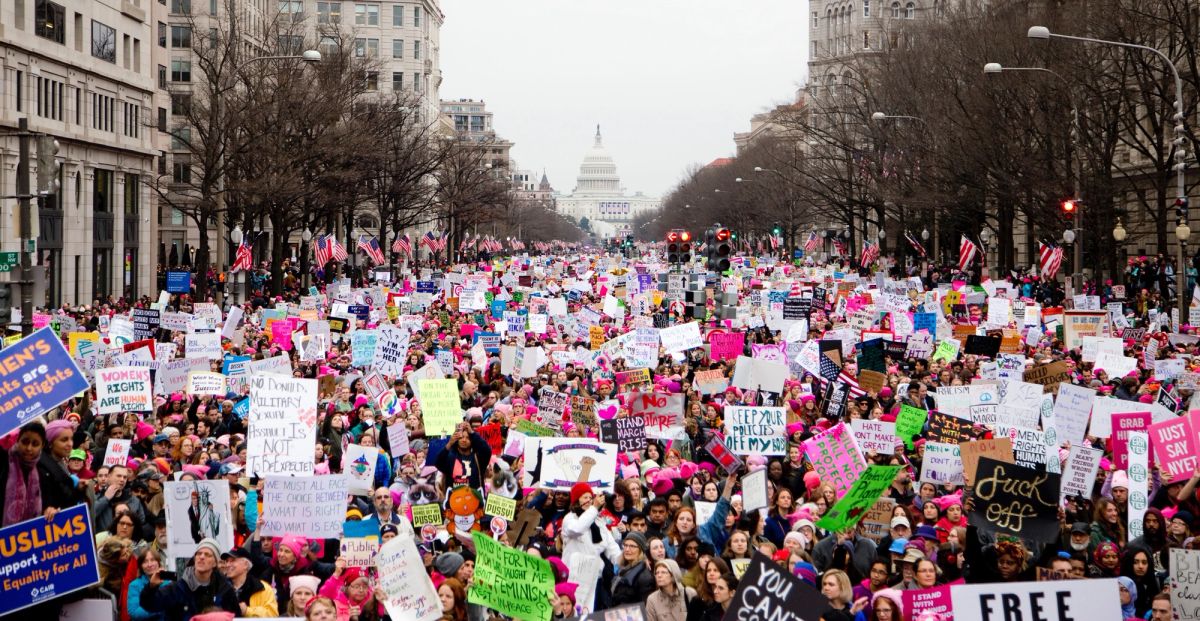
Back in the day, it was common for businesses to focus on promoting their products by highlighting their characteristics. However, in the modern era of activism, it’s extremely important to pay more attention to the problems faced by communities they serve. This creates a positive image of your brand and gives your target audience a reason to prefer your products and services over those of your competitors.

Quick Summary
In today's landscape, businesses should embrace social activism to cultivate a positive brand image and foster consumer loyalty. Customers increasingly favor brands that demonstrate commitment to causes like human rights and equality, which can drive sales and enhance brand recognition. For example, brands like The Body Shop and Starbucks capitalize on their activism, aligning with consumer values. However, brands must navigate this landscape carefully, as missteps can harm their reputation and
Benefits of Social Activism for Your Brand
Your target customers will start trusting you when you highlight the issues faced by the community. They will see a reflection of their own personality in your brand. This will motivate them to ditch your competitors and go for your products. This will also make your brand strategy more effective. If your existing and potential customers associate your brand with a particular campaign, such as human rights, it’ll be easier for them to remember and recognize your products. As a result, you’ll notice a significant increase in your sales and revenue.
A majority of consumers are willing to go for a brand that works for a cause. Even if their products are relatively expensive, they are ready to buy them because it gives them the satisfaction that the amount they are paying can benefit others.
Top Brands that Actively Support a Social Cause
In 2017, Starbucks announced that they will hire 10,000 refugees over the next five years. This announcement was appreciated by millions.
Refinery29, in a survey, found out that around 91% of millennials drop a brand for another one that supports a cause. Therefore, the media company supports women rights and highlights the struggles women go through.
Benetton Group supports equality. United Colors of Benetton talks about racial topics, health issues, and politics. They also founded the Unhate Foundation in 2011. The organization strived to reduce hate and discrimination through art and education. Aside from raising awareness about this critical issue, it also helped the brand create a positive image in the minds of the target audience.
Social activism has become a must for brands in the modern age. It helps them spread brand awareness as well as boost sales. However, if you aren’t careful with brand activism, it can backfire and affect your goodwill, so make sure you thoroughly vet your social activism strategy before you implement it.

Related Articles

20 Social Media Marketing Ideas to Boost Online Presence
Social media is where your brand can really shine. But with so many social media platforms and options out there, it's easy to feel stuck.

PR Strategy: How to Build a Public Relations Strategy in 10 Steps
A PR strategy is the written plan that decides who you need to reach, what you need them to believe, which earned channels will carry it, and how you will know whether it worked.

How to Use Brand Messaging to Enhance Your Brand Identity
Branding is crucial to any business and is especially important for the entertainment industry. You want your brand to stand out from the competition, but how? One way is to use brand messaging. Br