

How to Get 1 Million YouTube Views: 20 Strategies for Creators

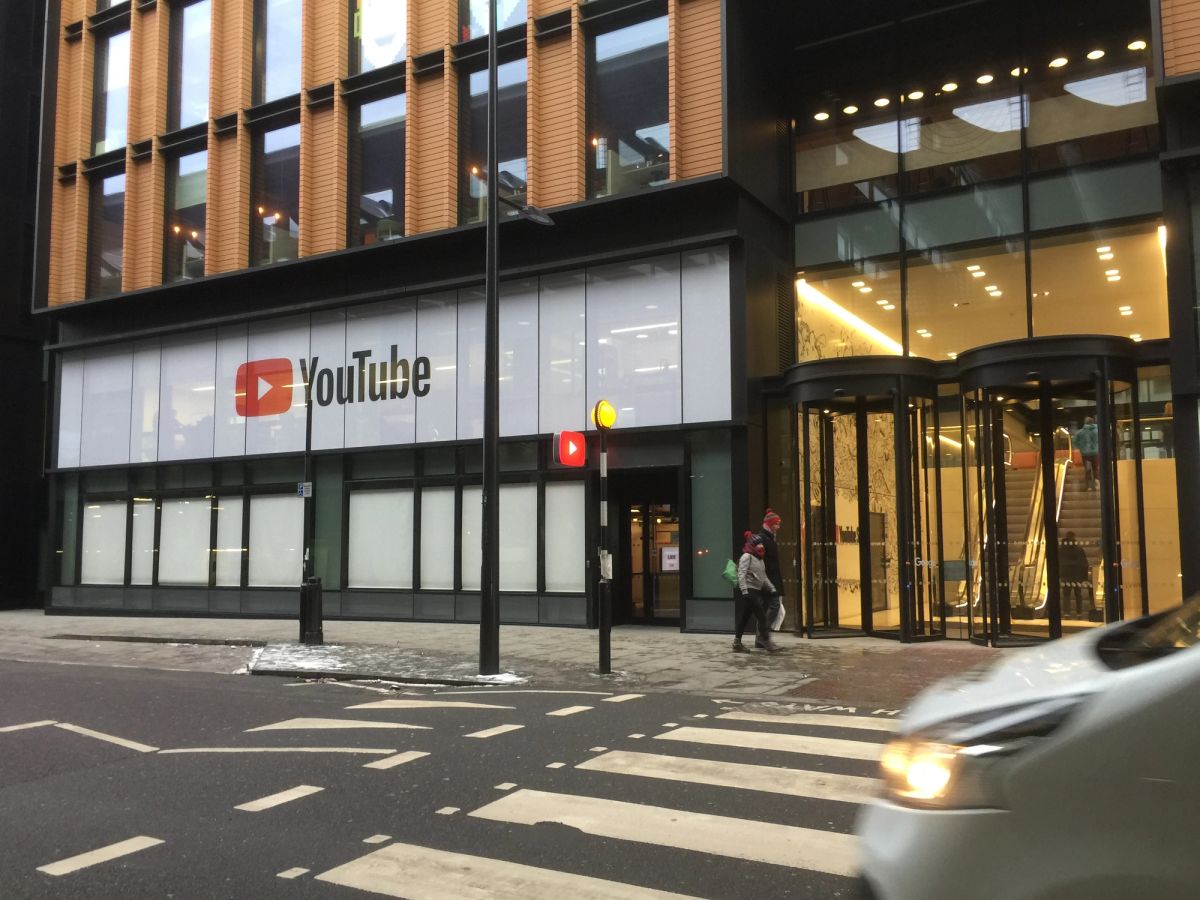
A million views on a single video is a big milestone. It usually means a video has travelled well beyond its channel's subscribers, and YouTube's own engineers say that is where most viewing comes from: recommendations drive more of YouTube's overall viewership than channel subscriptions or search.1

Quick Summary
Reaching a million views on YouTube depends on recommendations carrying a video beyond its subscribers. YouTube says its recommendation system learns from clicks, watch time, survey responses, shares, likes and dislikes. Creators can work on those signals with honest titles, thumbnails tested in Test & Compare, strong first 30 seconds checked in the audience retention report, end screens, chapters and playlists. Ads buy paid reach, and subscribers and watch time from promotions do not count toward Partner Program eligibility.
Views and income are separate questions. To earn from ads a channel first has to join the YouTube Partner Program, which requires 1,000 subscribers plus either 4,000 valid public watch hours in the last 12 months or 10 million valid public Shorts views in the last 90 days.2 What a monetized view then earns shows up in YouTube Analytics as RPM, the revenue per 1,000 views from ads, memberships, YouTube Premium, Super Chat and Super Stickers.3
Below are 20 strategies that give a video a better chance of reaching a million views. Where YouTube has published how a feature or metric works, we cite it. The rest is practical craft advice.

20 Strategies That Get Music Videos and Channels to 1 Million Views
1. Pick a Topic With Million-View Potential
A video reaches a million views when recommendations carry it to people who have never heard of the channel. YouTube describes its system as comparing a viewer's habits with those of similar viewers to suggest what they may want next.1 Before you film, ask whether videos on the topic already draw large audiences, whether the idea makes sense to someone who has never seen your channel, and whether it has a clear hook: a surprise, a conflict, a transformation or a stake the viewer cares about.
2. Write the Title Before You Write the Script
A title that promises something the video does not deliver can get the click and lose the viewer. YouTube learned this in 2011: clicks alone did not show whether people actually watched, so in 2012 it added watch time to its recommendation system.1 YouTube caps titles at 100 characters and descriptions at 5,000.4 Write the title first, then make sure the video pays it off. Specific, active titles that promise a clear payoff tend to work better than abstract or hedged ones.
3. Design Thumbnails You Can Test
Your thumbnail competes with other videos on the homepage, in Up Next, in search and in subscription feeds.5 YouTube recommends custom thumbnails at 1280x720 pixels, with a minimum width of 640 pixels, in the 16:9 ratio used by most YouTube players and previews; uploading a custom thumbnail requires a verified account.6 Keep it readable at small sizes: one clear subject, high contrast and very few words. YouTube Studio's Test & Compare feature lets you test up to three thumbnails on a public long-form video, and it picks a result based on watch time share, so the thumbnail that holds viewers beats the one that only draws clicks.7
4. Hook in the First 30 Seconds
YouTube's key moments for audience retention report includes an Intro figure: the percentage of your audience still watching after the first 30 seconds. YouTube notes that a high figure can mean the opening matched what the title and thumbnail promised, and it recommends experimenting with the first 30 seconds to keep viewers engaged.8 Skip the slow intro and the logo animation. Open with the result, the conflict or the question.
5. Find and Fix Your Drop-Off Points
The same report highlights top moments, where almost no one dropped off, along with spikes and dips, and it lets you compare typical retention across your 10 latest videos of similar length.8 Use it to find where your viewers leave, then fix those spots in editing with a change of angle, a graphic, a cut or a tease of what comes next. YouTube also suggests moving compelling content earlier, because audiences typically shrink over the length of a video.8
6. Optimize for Satisfied Watch Time
Length on its own earns nothing. YouTube uses watch time as a signal, and it also measures what it calls valued watch time through surveys that ask viewers to rate a video from one to five stars. Only videos rated four or five stars count as valued watch time.1 If a section of your video does not earn its time, cut it.
7. Understand Your Click-Through Rate
Impressions click-through rate measures how often viewers watched a video after seeing a registered impression on YouTube. YouTube says half of all channels and videos have an impressions CTR between 2% and 10%, and that CTR varies with the type of content, the audience and where the impression was shown.5 Compare a video's CTR with your own past videos of the same kind. If it is low while retention is strong, the title and thumbnail are the first things to change.
8. Use YouTube Search Like a Keyword Researcher
Type your topic into the YouTube search bar and note the autocomplete suggestions for the phrasing viewers use. Tools such as TubeBuddy and vidIQ can help you compare topics. Look for questions where the existing videos are weak, then make the clearest answer on the platform.
Ready to Build Your Personal Brand?
AMW builds personal brands for executives, founders, and creators.
9. Put Keywords in the Title and Description
YouTube says a video's title, thumbnail and description are more important for discovery than tags. Tags are mainly useful when your topic is commonly misspelled, and otherwise play a minimal role in discovery.9 Write the title and the opening of the description for people, with the words they would search for.
10. Build End Screens That Send Viewers to Your Best Video
End screens can be added to the last 5 to 20 seconds of a video that is at least 25 seconds long, and they can promote other videos or ask viewers to subscribe.10 Leave room for them when you edit. Point viewers to the video most likely to keep them watching, which is often your best performer rather than your newest upload.

11. Treat the Description as Useful Space
Use the first lines of the description to restate the title's promise. Then add timestamps: a list of timestamps and titles in the description creates video chapters, which break the video into sections with their own previews and let viewers jump to the part they want.11
12. Tell Your Existing Audience on Day One
Share a new upload with the people who already follow you, through your email list, social accounts, community posts and links from your other videos. They already chose to follow you, and their views, likes and shares give the video its first signals.
13. Use YouTube Ads for Paid Reach
YouTube Studio's Promotions tab lets creators run simple ad campaigns for their videos through a linked Google Ads account. Promotion views count when someone watches 30 seconds of the video, or the whole video if shorter, or interacts with it. Subscribers and watch time earned through a promotion do not count toward YouTube Partner Program eligibility.12
Treat ads as paid reach: a way to put a video in front of a targeted audience, such as fans of similar artists. YouTube's explanation of its recommendation system is built on how viewers respond to videos, through clicks, watch time, surveys, shares, likes and dislikes, and it does not describe paid views as a trigger for organic recommendations.1 AMW's music marketing campaigns use YouTube ads for exactly that kind of targeted reach.
14. Repurpose Long Videos Into Shorts
Clip the strongest moments of each long-form video into vertical Shorts and post them in the days after the main upload, with a clear pointer to the full video. Shorts also have their own route into the Partner Program, through 10 million valid public Shorts views in 90 days.2 Shorts earn differently from long-form videos: partners receive 55% of net revenue from ads on their watch pages, while Shorts creators keep 45% of the revenue allocated to them from the Shorts Creator Pool.13
15. Reply to Comments
Answer the questions and comments your viewers leave, especially in the first days after upload. It builds a community that comes back for the next video, and it tells you what your audience wants to see. Reply because you have something to say, and skip replies that exist only to pad a count.

16. Keep a Schedule Your Audience Can Rely On
A regular upload schedule helps your audience know when to expect new videos and helps you build a working rhythm. YouTube's published list of recommendation signals (clicks, watch time, survey responses, sharing, likes and dislikes) does not include upload frequency, so treat a schedule as a habit for you and your viewers.1
17. Build Series and Playlists
Group related videos into playlists and plan series whose episodes lead into each other. A viewer who finishes one episode has an obvious next video to watch, which adds watch time across your channel, one of the signals YouTube uses.1
18. Collaborate With Channels Slightly Bigger Than Yours
A guest appearance on a channel whose audience overlaps with yours puts you in front of viewers who already like your kind of content. When you pitch, bring a fully developed video idea that works for their channel and offer to do most of the work.
19. Study Breakout Videos in Your Niche
Pick a recent video in your niche that reached a very large audience. Watch it as a viewer, then again with its title, thumbnail, description and structure side by side. You cannot see another channel's analytics, so pair that study with your own retention report to test what you learn on your next video.8
Ready to Build Your Personal Brand?
AMW builds personal brands for executives, founders, and creators.
20. Stay Consistent Long Enough to Improve
Each video gives you another retention report, another CTR figure and another thumbnail test to learn from. The channels that improve are the ones that keep publishing and keep applying what their data shows.
What 1 Million YouTube Views Actually Means
Three questions follow almost every million-view video: what it earned, whether the famous "7-second rule" explains it, and how it compares with the biggest videos on the platform. YouTube's own documentation answers most of them.
1M Views in Dollars
There is no fixed payout per view. A channel first has to be in the YouTube Partner Program, and after that its earnings depend on which views are monetized. YouTube reports this as RPM, revenue per 1,000 views, and notes that RPM can fall when unmonetized views rise even if revenue stays the same.3 A rough way to read a million views is 1,000 times the RPM shown in your own YouTube Analytics.
The revenue split also depends on format. For ads on long-form watch pages, YouTube pays partners 55% of net revenue. For Shorts, ad revenue is pooled into a Creator Pool and shared by each creator's share of engaged views, and creators keep 45% of what is allocated to them.13 YouTube's own worked example imagines a Short with 1 million engaged views in a country with 100 million total engaged views: the Short is allocated 1% of that country's Creator Pool, which in the example is $900, and the creator keeps 45% of it, or $405.14 The example is illustrative, and it shows why a million Shorts views and a million long-form views rarely pay the same.
The 7-Second Rule
"The 7-second rule" is creator shorthand for grabbing attention immediately. YouTube does not measure a seven-second cut-off in its public tools. What it does report is the Intro figure in the key moments for audience retention report, the share of viewers still watching after 30 seconds, along with spikes, dips and top moments later in the video.8 The principle behind the shorthand holds: YouTube learned early that clicks alone were a poor guide to what people valued, which is why it added watch time to recommendations in 2012.1
The Most-Viewed Videos in History
At the far end of the scale, Pinkfong's "Baby Shark Dance" became YouTube's most-viewed video when it overtook "Despacito" by Luis Fonsi and Daddy Yankee in November 2020. In January 2022 it passed 10 billion views, while "Despacito" stood at 7.7 billion.15 Those totals came over years, from a global audience and repeat viewing, which is a useful reminder that a million views is an achievable milestone for a single strong video.
Want help reaching more viewers on YouTube?
AMW runs YouTube ad campaigns through Google Ads for music artists, podcasters and brands, targeted to the audiences most likely to care about your video.
→ See YouTube promotion options
How to Actually Apply These Strategies
Do not try to implement all 20 at once. Pick the three with the biggest gap between where you are and where you want to be. For most channels that means title and thumbnail (#2, #3), the first 30 seconds (#4, #5) and a steady schedule (#16). Work on those for a few months before adding anything else.
The creators who reach a million views usually do a handful of things very well, week after week: a clear idea, a title and thumbnail that earn the click honestly, and a video that keeps people watching.
If you're a music artist who wants more people to see your videos, our YouTube Promotion service runs Google Ads campaigns that put your video in front of targeted viewers. Request a quote.
Sources
- 1
- 2
- 3
- 4
- 5
- 6
- 7
- 8
- 9
- 10
- 11
- 12
- 13
- 14
- 15

Ready to Build Your Personal Brand?
AMW builds personal brands for executives, founders, and creators.
Frequently Asked Questions
How much money is 1 million views on YouTube?
There is no fixed figure. YouTube shows your RPM, the revenue per 1,000 views from ads, memberships, YouTube Premium, Super Chat and Super Stickers, in YouTube Analytics, and RPM falls when more of your views are unmonetized. A million views earns roughly 1,000 times your RPM. Partners receive 55% of net ad revenue on their long-form watch pages and 45% of the revenue allocated to them from the Shorts Creator Pool.
How many YouTube views do I need to make $2000 a month?
It depends on your RPM, which varies by channel, audience and format. Divide your monthly income goal by your RPM and multiply by 1,000 to get the monthly views you would need from YouTube revenue alone. Your channel must first be in the YouTube Partner Program.
What is the 7-second rule on YouTube?
The "7-second rule" is creator shorthand for hooking viewers immediately, and YouTube does not publish it as a rule. YouTube's own audience retention report measures the Intro as the percentage of viewers still watching after the first 30 seconds, and recommends experimenting with that opening to keep viewers engaged.
Which video has the most YouTube views ever?
"Baby Shark Dance" by Pinkfong. It overtook "Despacito" by Luis Fonsi and Daddy Yankee in November 2020 and passed 10 billion views in January 2022, when "Despacito" had 7.7 billion.
How long does it take to get a million views on YouTube?
YouTube publishes no typical timeline, and it varies widely from channel to channel. Improving titles, thumbnails and retention from one video to the next gives each new upload a better chance.
Do you need 1 million subscribers to get 1 million views?
No. YouTube says recommendations drive more of its overall viewership than channel subscriptions or search, and recommendations are based on how viewers respond to a video. A video can reach far more people than a channel has subscribers.
Can a small YouTube channel get 1 million views?
Yes. Recommendations match videos to viewers based on viewing habits and signals such as watch time, survey responses, shares and likes, so a single strong video from a small channel can reach a large audience.
Should I run YouTube ads to help my video reach 1 million views?
Ads can put a video in front of a large, targeted audience, and promotion views count when someone watches 30 seconds or interacts with the video. Treat that as paid reach. Subscribers and watch time earned through promotions do not count toward YouTube Partner Program eligibility, and YouTube does not describe paid views as a trigger for organic recommendations. AMW uses YouTube ads in music promotion campaigns for targeted reach.
Related Resources
Calculators
Case Studies
Pricing Guides
Related Articles

How to Grow a YouTube Channel From 0 to 1,000 Subscribers
How to grow a new YouTube channel to its first 1,000 subscribers: 12 strategies for niche, titles, thumbnails, retention, end screens, playlists and Shorts, based on what YouTube says about how recommendations work.

50 Proven YouTube Promotion Strategies to Skyrocket Your Channel Growth
With over 2 billion logged-in monthly users, YouTube offers immense potential for content creators, but standing out requires strategic promotion. Creating YouTube content isn't enough—effective promo

Master Social Media for Personal Branding: 20 Ways to Stand Out Online
Social media has evolved into a crucial tool for personal branding, offering unique opportunities for professionals to connect and showcase expertise. Consistency, authenticity, and a targeted...