

How an Interview on TV Can Build Your Personal Brand

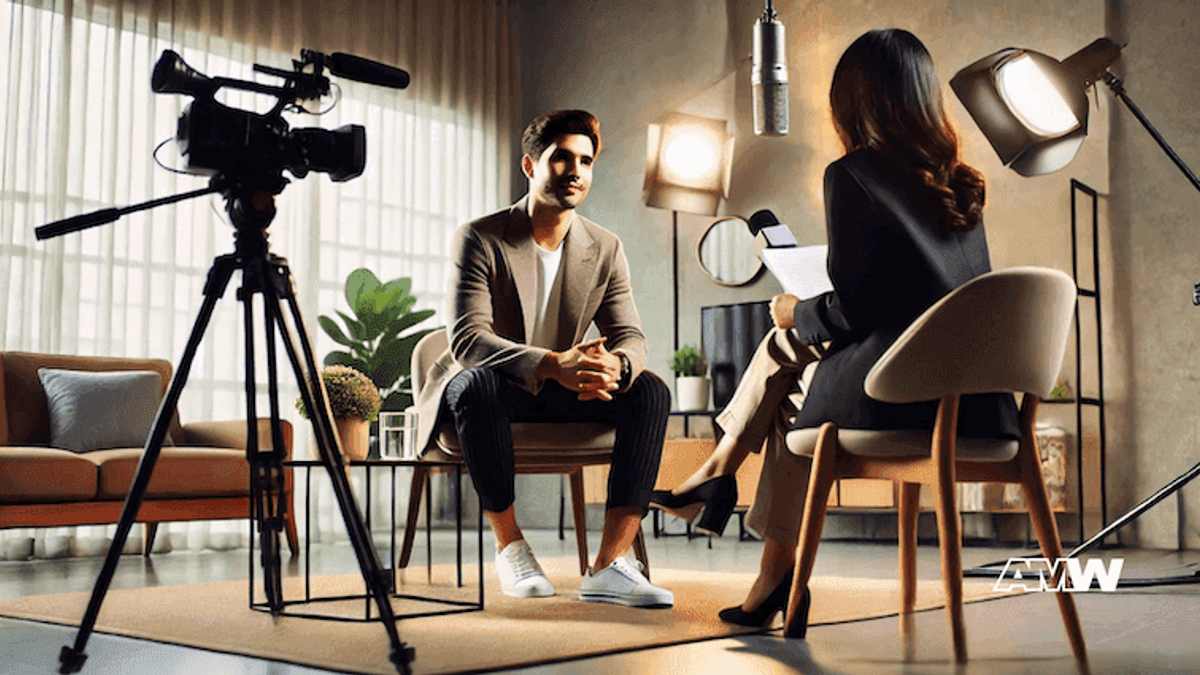
Personal branding has become a crucial aspect of professional success.

Quick Summary
Building a strong personal brand is essential for professional success, establishing a unique identity that highlights your skills and values. TV interviews serve as a powerful tool for enhancing this brand, offering extensive reach and credibility. By preparing effectively and engaging audiences during interviews, individuals can boost their authority and trustworthiness. Post-interview strategies, such as sharing content on social media and maintaining interactions, can further leverage visibi
A personal brand can help you stand out from your competitors, show off what makes you unique, and really stick in the minds of the people you want to reach.
Among the various tools available for building a personal brand, media exposure, particularly TV interviews, stands out due to its broad reach and credibility.
This blog post explores how an interview on TV can significantly enhance your personal brand, providing you with strategies to maximize this opportunity.
Personal Branding
Personal branding is all about marketing yourself and your career as a brand.
It involves establishing a unique professional identity and a coherent message that sets you apart in your industry. A strong personal brand include authenticity, consistency, and visibility.
Authenticity ensures that your brand is genuine and resonates with your audience. Consistency in your messaging across various platforms helps in building trust and reliability.
Visibility, on the other hand, ensures that your brand is seen and recognized by the right audience.
In essence, personal branding is about creating a reputation that highlights your skills, values, and contributions to your field.
TV Interviews
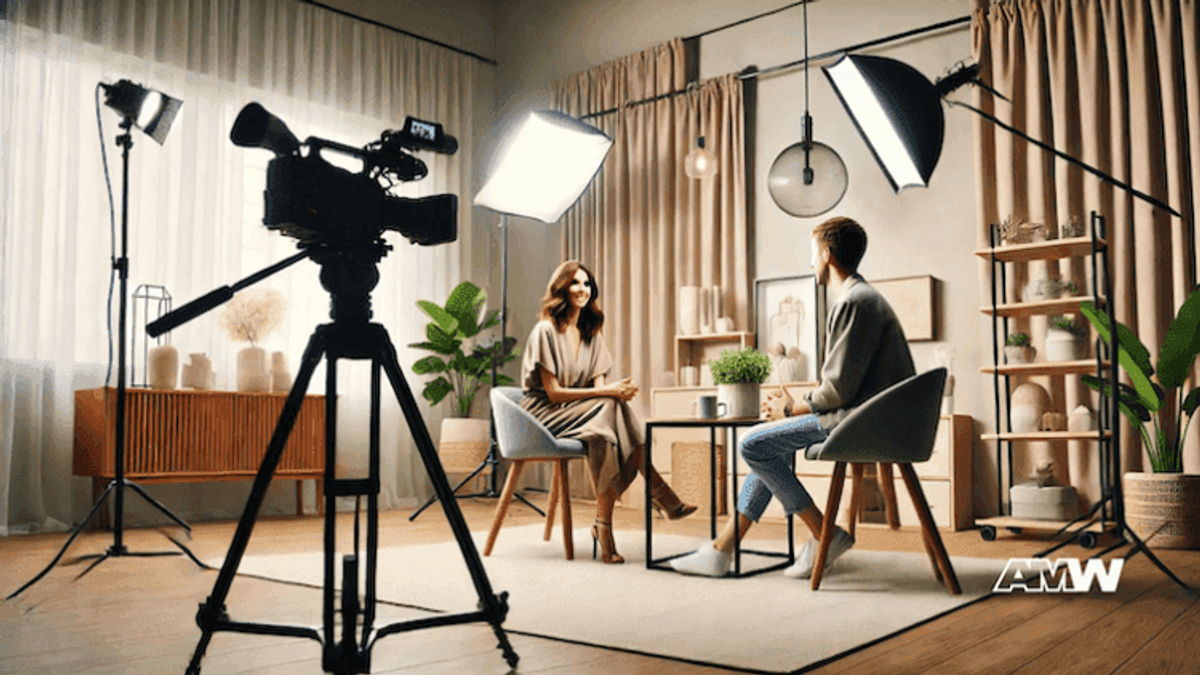
TV interviews are a powerful medium for personal branding due to their extensive reach and inherent credibility.
Unlike other forms of media, television has the ability to convey your message to a large and diverse audience .
Appearing on TV can position you as an authority in your field, providing you with a platform to share your expertise and insights.
Getting on TV not only helps more people see you, but it also makes your audience trust you more. TV networks are seen as reliable sources of information, so being on TV can boost your credibility.
Successful personal brands such as industry experts, authors, and entrepreneurs have effectively utilized TV interviews to boost their profiles and influence.
Preparing for Your TV Interview

Preparation is key to making the most of a TV interview.
Start by researching the show, its audience, and its format to tailor your message accordingly. Create key messages and talking points that align with your personal brand and the interview's theme.
Practicing your delivery, including your appearance, body language, and communication style, is crucial. Dress professionally in solid colors to avoid distractions, and practice speaking clearly and confidently.
Ready to Build Your Personal Brand?
AMW builds personal brands for executives, founders, and creators.
By being well-prepared, you can ensure that your message is conveyed effectively, leaving a positive and lasting impression on the viewers.
During the Interview
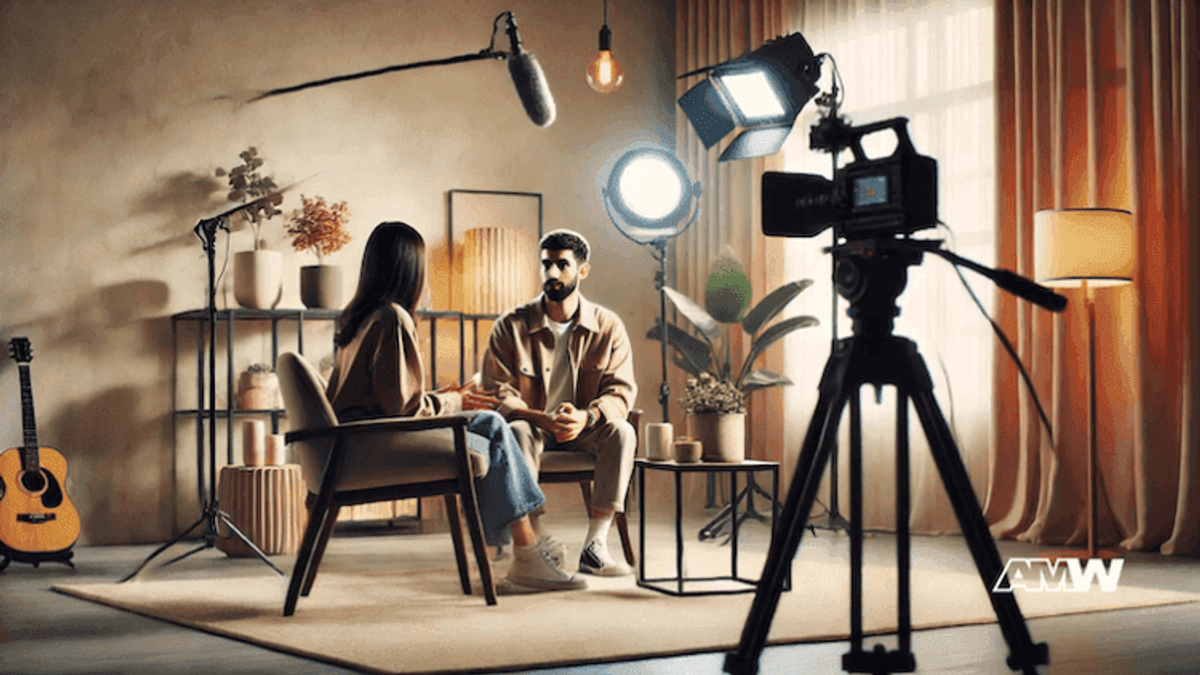
During the interview, it's important to build rapport with the interviewer and stay on message.
Engage with the interviewer and audience by being personable and relatable. Use effective storytelling techniques to illustrate your points, making your message more memorable. Handling unexpected questions with grace and confidence can further enhance your credibility.
Focus on delivering your key messages succinctly and clearly, avoiding jargon or overly complex language. Your goal is to connect with the audience and convey your expertise in an accessible and engaging manner.
Post-Interview Strategies
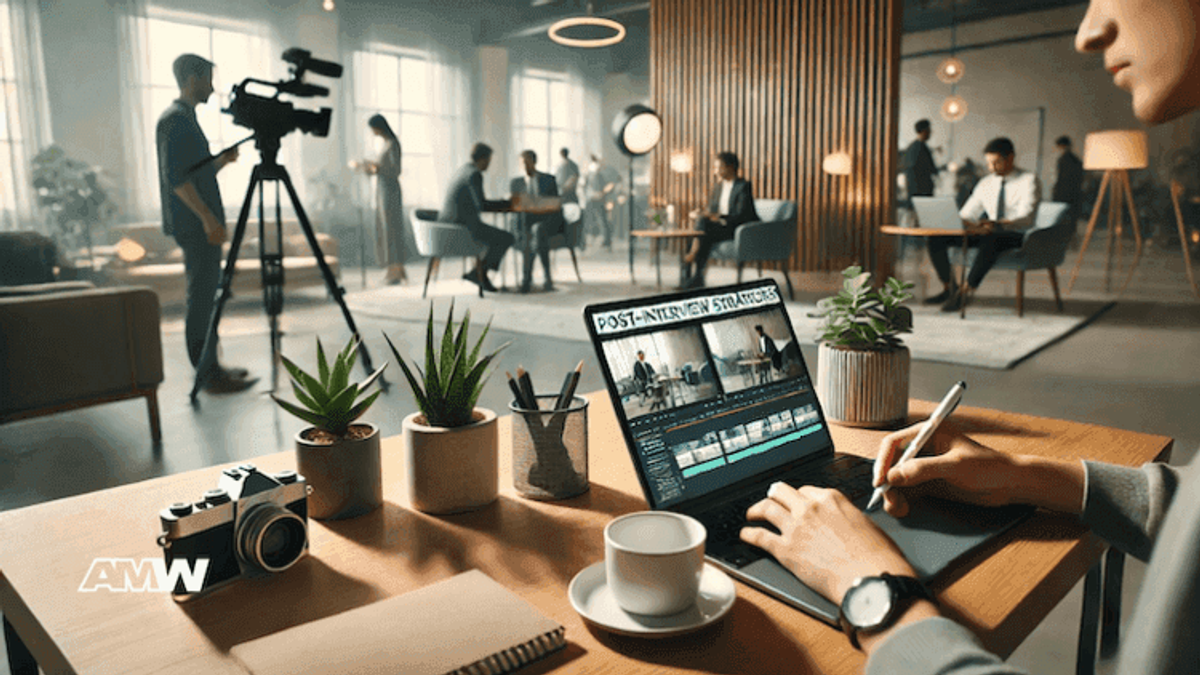
Once the TV interview is over, the work of leveraging this opportunity for your personal brand begins.
Start by sharing the interview on your social media platforms to extend its reach. Post clips or the full interview on LinkedIn, X, Facebook, and Instagram, and encourage your followers to share it.
Tagging the TV network and interviewer can also increase visibility. Additionally, incorporate the interview into your professional portfolio or website. Showcasing your TV appearances in a dedicated media section can prove just how much of an expert you are and how credible you can be.
Make sure to interact with your audience by replying to comments and feedback on your social media posts . This interaction can help build a loyal following and reinforce your authority in your field. If the interview touched on specific topics, consider writing follow-up blog posts or articles to delve deeper, linking back to the interview.
These posts can provide additional value to your audience and keep the conversation going.
Long-term Benefits of TV Interviews
The long-term benefits of TV interviews for your personal brand are substantial.
First and foremost, they significantly boost your credibility. Getting on a well-known TV show tells your audience and colleagues that you're a respected expert in your field.
The boost in credibility can help you land new opportunities like speaking gigs, partnerships, and media requests.
TV interviews also expand your network. Following an interview, you may receive inquiries from viewers, journalists, and industry professionals.
These connections could lead to some great partnerships and business opportunities. Maintaining a consistent media presence by regularly appearing on TV or other media platforms ensures that you stay relevant and top-of-mind in your industry.
Furthermore, the content generated from TV interviews can be repurposed for various marketing efforts. Transcripts can be turned into blog posts, quotes can be used in promotional materials, and the interview itself can be included in newsletters.
This versatility allows you to maximize the value of a single TV appearance across multiple channels.
Conclusion
In conclusion, TV interviews offer a powerful platform for building and enhancing your personal brand .
They provide widespread visibility, establish credibility, and offer numerous opportunities for engagement and growth.
Ready to Build Your Personal Brand?
AMW builds personal brands for executives, founders, and creators.
By preparing effectively, performing well during the interview, and leveraging post-interview strategies, you can make the most of these opportunities and significantly elevate your professional profile.
Keep an eye out for media chances and take them to share what you know with more people. This will help your personal brand to keep growing and thriving.
FAQ
How do I get an opportunity for a TV interview?
Start by building a strong personal brand online, engage with media professionals, and consider hiring a PR agency to help you pitch your story.
What should I wear for a TV interview?
Dress professionally and appropriately for the show's format, choosing solid colors and avoiding busy patterns.
How do I handle difficult questions during the interview?
Stay calm, redirect to your key messages, and practice common questions beforehand.
How can I make my interview more engaging?
Use storytelling, provide valuable insights, and be authentic in your responses.
What should I do if I make a mistake during the interview?
Correct yourself calmly if needed, but otherwise, move on and focus on delivering your key messages effectively.
Different Types of TV Opportunities and How to Secure Them
Television offers various formats beyond traditional news interviews, each presenting unique opportunities for personal brand building. Morning shows often feature lifestyle segments, business spotlights, and expert commentary that can showcase your personality alongside your expertise. Panel discussions on cable networks allow for deeper dives into industry topics, while local news programs frequently seek community leaders and business owners for feature stories. Podcast-style TV shows and streaming platforms have also created new avenues for longer-form conversations that can really demonstrate your thought leadership .
To secure these opportunities, start by building relationships with local media contacts and consider hiring a PR agency that specializes in media placement. Create a compelling media kit that includes your bio, headshots, talking points, and previous media appearances. Monitor platforms like HARO (Help a Reporter Out) and ProfNet where journalists actively seek expert sources. Additionally, consider offering timely commentary on industry trends or breaking news in your field – reporters often need quick expert responses, and being readily available can lead to recurring opportunities.
Don't overlook niche programming that aligns with your expertise. Industry-specific shows, educational programming, and specialized cable channels may have smaller audiences but offer more targeted reach to your ideal prospects. These appearances often allow for longer segments and more in-depth discussions, providing greater opportunity to establish your authority and connect with engaged viewers who are genuinely interested in your field.
Measuring the ROI of Your TV Appearances
Tracking the return on investment from TV interviews requires establishing clear metrics before your appearance. Direct metrics include website traffic spikes during and after the interview, social media engagement increases, new followers across platforms, and direct inquiries or leads generated. Use Google Analytics to set up custom UTM codes for links shared during the interview, and monitor branded search volume increases using tools like Google Trends. Social listening tools can help track mentions of your name and brand across digital platforms following the appearance.
Intermediate indicators include speaking engagement requests, podcast interview invitations, media interview requests from other outlets, and partnership opportunities that arise post-interview. Keep a detailed log of these opportunities and their origins to trace them back to specific TV appearances. Email list growth, particularly if you mention a specific resource or offer during the interview, provides another tangible metric for measuring impact.
Long-term ROI measurement involves tracking career advancement opportunities, business revenue increases, and brand recognition improvements over time. Conduct quarterly surveys of your network to assess brand awareness changes, and monitor industry recognition such as awards, board appointments, or speaking bureau additions. While these outcomes may not be immediately attributable to a single TV appearance, consistent media presence creates a compound effect that accelerates professional growth and opens doors that might otherwise remain closed.
Avoiding Common TV Interview Pitfalls
Many professionals make critical mistakes during TV interviews that can damage rather than enhance their personal brand. Over-promoting yourself or your business is one of the most common errors – viewers and hosts quickly detect self-serving agendas, which undermines credibility. Instead, focus on providing genuine value and insights, mentioning your company or services only when directly relevant to the discussion. Another frequent mistake is failing to adapt your communication style to the medium; what works in boardrooms or academic settings may not translate effectively to television's fast-paced, accessible format.
Technical missteps can also derail an otherwise strong performance. Poor audio quality, distracting backgrounds during remote interviews, or inappropriate lighting can shift focus away from your message. Always test your technology beforehand, invest in quality audio equipment for virtual appearances, and ensure your background is clean and professional. Additionally, avoid industry jargon or overly complex explanations – remember that TV audiences are diverse, and your goal is to be understood by viewers outside your industry.
Post-interview mistakes are equally damaging to your personal brand. Failing to follow up with the host or producer, not sharing the content appropriately, or missing opportunities to connect with viewers who reach out can waste the platform you've built. Conversely, over-sharing the same interview content can appear desperate and diminish its impact. Strike a balance by sharing strategically across different platforms and time periods, and always provide additional context or insights when reposting to add fresh value for your audience.

Ready to Build Your Personal Brand?
AMW builds personal brands for executives, founders, and creators.
Frequently Asked Questions
How do TV interviews help build personal brand credibility and authority?
TV interviews significantly enhance personal brand credibility because television networks are viewed as reliable information sources. When you appear on TV, you're positioned as an expert in your field with access to a large, diverse audience. This media exposure provides inherent credibility that other platforms may lack, helping establish you as an authority while building trust with viewers who see you as knowledgeable and trustworthy.
What should I wear and how should I prepare my appearance for a TV interview?
For TV interviews, dress professionally in solid colors to avoid visual distractions on camera. Practice your body language, speaking clearly and confidently. Research the show format, audience, and theme beforehand to tailor your message appropriately. Prepare key talking points that align with your personal brand, and practice your delivery to ensure you appear polished and professional on screen.
How can I effectively leverage my TV interview on social media after it airs?
Share your TV interview across all social media platforms including LinkedIn, Twitter, Facebook, and Instagram. Post clips or the full interview, tag the TV network and interviewer for increased visibility, and encourage followers to share. Respond to comments and feedback to build engagement. Add the interview to your professional portfolio or website's media section to showcase your expertise and credibility long-term.
What are the best strategies for staying on message during a live TV interview?
Focus on delivering your key messages succinctly and clearly, avoiding jargon or complex language. Use effective storytelling techniques to make your points memorable and relatable. Build rapport with the interviewer while staying personable with the audience. Handle unexpected questions with grace and confidence, always steering back to your core messages that align with your personal brand goals.
How do I research and prepare talking points before appearing on a TV show?
Start by thoroughly researching the TV show's format, target audience, and typical interview themes. Create key messages and talking points that align both with your personal brand and the show's focus. Practice articulating these points clearly and concisely. Prepare for potential questions and develop stories that illustrate your expertise while ensuring your message resonates with the show's specific audience demographics.
What makes TV interviews more effective for personal branding than other media types?
TV interviews offer broader reach and higher credibility compared to other media formats. Television can convey your message to large, diverse audiences while the visual and audio elements help create stronger personal connections. The perceived authority of TV networks transfers credibility to guests, positioning you as an expert. This combination of extensive reach, multimedia engagement, and institutional credibility makes TV particularly powerful for personal brand building.
Related Resources
Calculators
Pricing Guides
Related Articles

Master Social Media for Personal Branding: 20 Ways to Stand Out Online
Social media has evolved into a crucial tool for personal branding, offering unique opportunities for professionals to connect and showcase expertise. Consistency, authenticity, and a targeted...

The Top Benefit of Personal Branding for Career Advancement
Planning a successful career advancement often involves building a strong personal brand that can significantly impact one's professional life. Personal branding is a powerful tool that may help creat

Networking Strategies for Strengthening Your Personal Brand
A strong personal brand is essential for succeeding in today's competitive professional world. Your personal brand comprises your unique skills, experiences, that differentiate you from others in