

Mastering Public Relations for Musicians: Building and Protecting Your Music Brand

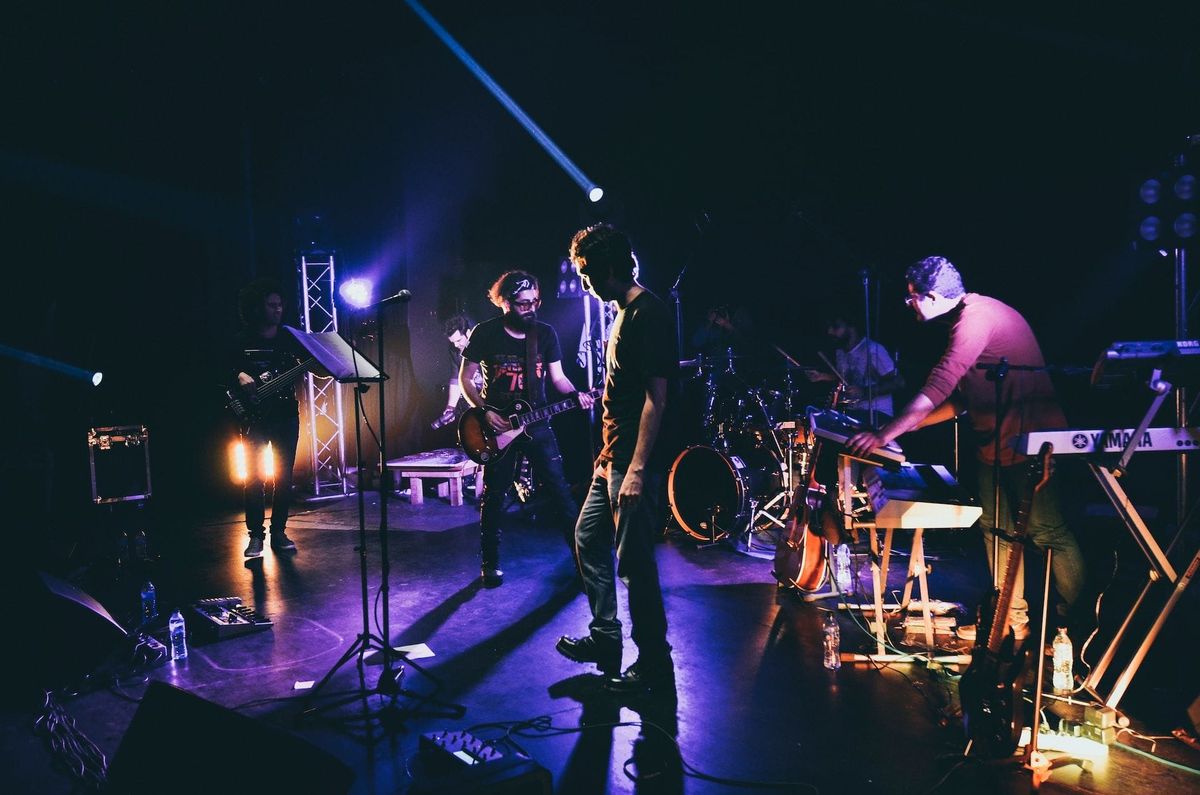
In the world of music and entertainment, one crucial aspect that cannot be ignored is the realm of public relations (PR). For musicians, PR plays a pivotal role in amplifying your message, building your brand image, and protecting your reputation. By mastering the art of public relations, musicians can effectively disseminate their narratives, shape positive perceptions, and foster connections with fans, industry insiders, and the media. As a full-service marketing agency specializing in music promotion , entertainment projects, and event management , AMW® understands the importance and value of PR in the music industry. Our commitment to providing musicians with helpful, unique, and educational content enables artists to thrive and build sustainable, successful careers.

Quick Summary
In the music industry, public relations is essential for musicians to amplify their message, cultivate a strong brand image, and manage their reputation. By creating an effective PR strategy, artists can enhance visibility and forge relationships with the media. In times of crisis, a proactive approach and clear communication are crucial for damage control. Ultimately, mastering PR allows musicians to unlock new opportunities and build a sustainable career that resonates with audiences.
Stay connected to our series and unlock the secrets of PR success for musicians. Learn how to create, implement, and maintain impactful public relations campaigns to captivate your audience, capture media attention, and drive your career forward. By embracing the power of public relations , you can chart a course to long-lasting success, authority, and credibility, opening doors to new opportunities and paving the way for a thriving, sustainable music career.
Understanding the Role and Importance of PR in Music
To fully grasp the art of public relations , musicians must first understand its fundamental role in the music industry:
1. Amplify Your Message: PR helps to spread your message and music to a wider audience, securing coverage and exposure in various media outlets and increasing your reach and visibility.
2. Build and Maintain Image: Effective PR highlights your distinctive qualities and artistic vision, which encourages a positive image and fosters a strong connection with your audience.
3. Media Relationships: Public relations involves forming relationships with media professionals, opening up opportunities for media coverage and potential collaborations.
4. Crisis Management : PR plays a crucial role in managing controversies or negative incidents, working on damage control, and salvaging your music brand's reputation .
Crafting a Winning PR Strategy
Develop a successful PR strategy by focusing on these key components:
1. Identify Your Objectives: Determine the goals of your PR campaign, such as increasing visibility, promoting specific projects, or establishing yourself as an industry expert.
2. Target the Right Media: Research media outlets and journalists whose interests align with your music genre, brand, and target audience. Create personalized pitches to capture their attention and increase the likelihood of coverage.
3. Craft a Compelling Press Kit: Design a professional and captivating press kit that showcases your music, accomplishments, and story. Include a concise bio, high-quality images, press quotes, and samples of your work.
4. Develop a Content Calendar: Create a calendar outlining key dates to pitch your story to the media, keeping track of industry events, album releases, and any upcoming milestones to ensure a well-timed, organized campaign.
Ready to Promote Your Music?
AMW has run 200+ music campaigns across streaming, radio, and press.
Pitching Your Music and Story to the Media
Optimize your chances of securing media coverage with these pitching tips :
1. Know Your Target: Research and select relevant journalists or media outlets before pitching. Tailor your pitch to their specific interests and demonstrate your familiarity with their work.
2. Be Concise and Compelling: Craft a pitch that is clear, concise, and directly addresses the value of your story. Focus on what makes your music unique and why it would resonate with the target outlet's audience.
3. Follow-Up: Following up on your initial pitch can be essential to securing coverage, as journalists often receive numerous pitches. Be persistent without being pushy, maintaining a fine balance between showing enthusiasm and respecting their time.
4. Build Relationships: Establishing relationships with journalists before pitching can increase your chance of success. Engage with them on social media, share their work, and show genuine interest in their content.
Dealing with Pressures and Controversies: PR Crisis Management
When facing controversies or negative incidents, implement these crisis management tactics:
1. Be Proactive: Address the issue promptly and honestly to prevent further damage to your music brand's reputation. Acknowledge the situation and express genuine concern.
2. Develop a Crisis Response Plan: Establish a clear plan outlining steps to take during a PR crisis, including internal and external communications, designated spokespersons, and potential recovery actions.
3. Monitor the Situation: Continuously monitor news and social media coverage to assess the impact of the crisis and gauge public sentiment. Respond accordingly and refine your strategy as needed.
4. Learn from the Experience: Analyze the crisis and evaluate the effectiveness of your response to better prepare for any potential future incidents.
Conclusion:
Public relations is an indispensable aspect of brand building for musicians, helping to amplify their message, shape their public image, and maintain long-lasting connections with fans and industry professionals alike. By understanding the role of PR in the music world, developing a winning strategy, effectively pitching your music to the media, and navigating crises, you can propel your music career forward and establish an enduring presence in the industry.
Embrace the power of public relations and unlock your full potential as an artist. As you navigate the world of PR, remember to stay true to your unique sound and vision while skillfully utilizing the tools and tactics to carve out a lasting impact on your audience. By mastering public relations , you can bolster your music brand, forge lasting connections, and lay the foundation for a successful, sustainable career in the music industry.
Ready to Promote Your Music?
AMW has run 200+ music campaigns across streaming, radio, and press.
Are you looking to take your business, luxury or consumer brand, event property, or personal brand to the next level? Your search ends with AMW®! With over 25 years of experience in providing top-notch entertainment, marketing, and branding services, we have established ourselves as a leading global agency that empowers clients across the globe. Our modern, remote-first approach enables us to collaborate seamlessly with team members in North America, Europe, and Asia, ensuring that we bring diverse perspectives and expertise to every project.
Whether you want to amplify your brand message, increase your audience engagement, or enhance your reputation through effective entertainment marketing campaigns, we have the skills and experience to create tailored solutions that meet your unique needs. With our comprehensive suite of services, you can rest assured that we will help you achieve your goals and set you apart from the competition. Contact us today to schedule a consultation and learn how we can help you take your business or personal brand to the next level. Let AMW® be the key to unlocking your full potential!
Leveraging Digital PR and Social Media Integration
Modern musicians must adapt their PR strategies to the digital landscape, where social media platforms serve as primary channels for music discovery and fan engagement. Digital PR extends beyond traditional media outlets to include influential music bloggers, podcast hosts, playlist curators, and social media influencers who can significantly impact an artist's visibility. Successfully integrating your PR efforts with digital platforms requires understanding each platform's unique audience and content format – from Instagram's visual storytelling to TikTok's viral potential and Twitter's real-time conversations.
To maximize digital PR effectiveness, create platform-specific content that complements your traditional PR campaigns. When you secure a magazine feature, leverage it across social channels with behind-the-scenes content, quotes, and visual assets. Collaborate with micro-influencers in your genre who have engaged audiences rather than chasing follower counts. Additionally, monitor digital conversations about your brand using social listening tools, as online sentiment can spread rapidly and impact your overall reputation. The key is maintaining consistency across all digital touchpoints while adapting your message to each platform's culture and communication style.
Consider developing exclusive digital content for different platforms – perhaps acoustic versions for Instagram Stories, studio footage for YouTube, or snippet teasers for TikTok. This approach not only supports your traditional PR efforts but creates multiple entry points for new fans to discover your music. Remember that digital PR is often more immediate and interactive than traditional media, allowing for real-time engagement and feedback that can inform your broader PR strategy.
Building Strategic Industry Partnerships and Collaborations
Strategic partnerships can exponentially amplify your PR efforts by tapping into established networks and credibility. Look beyond obvious music industry connections to explore partnerships with brands, non-profit organizations, venues, festivals, and even other artists whose audiences align with your target demographic. For example, a folk musician might partner with environmental organizations for cause-marketing campaigns, while an electronic artist could collaborate with tech companies or fashion brands. These partnerships provide natural PR opportunities through cross-promotion, co-created content, and shared events that benefit all parties involved.
When developing partnerships, focus on authentic connections that align with your values and artistic vision. Forced collaborations often appear inauthentic and can damage your credibility. Instead, identify organizations or individuals whose missions complement your own, then propose mutually beneficial arrangements. This might include performing at corporate events , creating theme songs for campaigns, or participating in charity initiatives. Document these partnerships professionally with high-quality photos, videos, and testimonials that can be used in future PR materials and media pitches.
Joint ventures also create compelling story angles that media outlets find newsworthy. A collaboration between a musician and a local business supporting community development, or an artist partnering with a mental health organization, provides journalists with human interest angles that extend beyond typical music coverage. These stories often resonate more deeply with audiences and can lead to feature articles rather than brief mentions, significantly increasing your media exposure and establishing you as an artist who contributes meaningfully to your community.
Measuring PR Success and ROI
Effective PR requires ongoing measurement to justify investments and refine strategies. Beyond basic metrics like media mentions and reach, musicians should track more sophisticated indicators including sentiment analysis, audience engagement rates, website traffic from PR-driven sources, and ultimately, how PR activities translate to tangible career advancement such as booking inquiries, streaming increases, or merchandise sales. Establish baseline metrics before launching campaigns and use tools like Google Analytics, social media insights, and media monitoring services to track progress consistently.
Create a comprehensive tracking system that connects PR activities to business outcomes. For instance, use unique URLs or promo codes when mentioned in different media outlets to trace direct traffic and conversions. Monitor streaming platform analytics during and after PR campaigns to identify spikes in listener activity. Track the quality of media coverage, not just quantity – a feature in a respected music publication carries more weight than multiple mentions in lesser-known blogs. Additionally, measure the longevity of your PR efforts by monitoring how often past coverage gets referenced or reshared, indicating lasting impact on your brand perception.
Regular analysis of PR metrics allows for strategic adjustments and demonstrates value to potential investors, labels, or booking agents. Compile monthly or quarterly reports that highlight key achievements, lessons learned, and areas for improvement. This data-driven approach not only optimizes your PR strategy but also provides concrete evidence of your professional approach to career development. Remember that some PR benefits, like relationship building and reputation enhancement, may not show immediate measurable returns but contribute significantly to long-term career sustainability and growth opportunities.

Ready to Promote Your Music?
AMW has run 200+ music campaigns across streaming, radio, and press.
Frequently Asked Questions
How can independent musicians build effective public relations campaigns on a limited budget?
Independent musicians can build effective PR campaigns by focusing on DIY strategies like creating compelling press kits with high-quality photos and concise bios, researching and targeting niche media outlets that cover their genre, leveraging social media for direct fan engagement, and building authentic relationships with local journalists and bloggers. Timing pitches around album releases or local events, and consistently following up without being pushy can maximize exposure even with minimal financial resources.
What should musicians include in a professional press kit for media outreach?
A professional music press kit should include a concise artist biography highlighting unique qualities and achievements, high-resolution professional photos suitable for print and digital use, press quotes from previous coverage or reviews, music samples or streaming links, contact information for the artist or their representative, and any notable accomplishments like chart positions, awards, or significant performances. The kit should be easily accessible digitally and tailored to the specific media outlet being pitched.
How do musicians handle negative publicity and protect their brand reputation?
Musicians can protect their brand reputation by responding quickly and transparently to negative publicity, taking responsibility when appropriate, and focusing on consistent positive content creation. Crisis management involves monitoring online mentions, addressing concerns directly with fans and media, avoiding defensive responses, and working with PR professionals when needed. Building strong relationships with media beforehand creates goodwill that can help during challenging times, while maintaining authentic communication helps preserve fan loyalty.
What are the best practices for pitching music stories to journalists and media outlets?
Successful music pitching involves researching journalists who cover your genre and personalizing pitches to their interests and recent work. Keep pitches concise and compelling, highlighting what makes your story unique and newsworthy. Include relevant details like upcoming releases, tours, or achievements. Follow up professionally after 1-2 weeks if no response, but avoid being pushy. Build relationships with media professionals over time rather than only reaching out when needing coverage, and always respect their deadlines and preferences.
How can musicians use public relations to increase their visibility in the music industry?
Musicians can increase industry visibility through strategic PR by targeting music trade publications, securing interviews and features in genre-specific outlets, participating in industry events and panels, and building relationships with music journalists, bloggers, and influencers. Creating newsworthy content around releases, collaborations, or achievements, while maintaining consistent communication with media contacts helps establish credibility. Engaging with industry professionals on social media and contributing expert commentary on music trends also enhances visibility and authority.
What role does social media play in modern music public relations strategies?
Social media serves as a direct PR channel allowing musicians to control their narrative, engage authentically with fans, and amplify traditional media coverage. Platforms enable real-time communication during crises, behind-the-scenes content sharing, and building relationships with journalists and influencers. Musicians can use social media to announce news, share press coverage, and create viral moments that attract media attention. However, it requires careful management to maintain professional image while staying authentic and engaging with audiences across different platforms.
Related Resources
Calculators
Case Studies
Pricing Guides
Related Articles
Public Relations for Music: Crafting an Effective PR Strategy
In the music industry, a solid public relations strategy may enhance an artist's visibility, expand their reach, and create meaningful connections with a wider audience. Whether the focus is on an
Mastering the Art of Music PR: Proven Techniques for Maximum Exposure
Did you know that over 100,000 songs are uploaded to Spotify every single day? In a world flooded with musical talent, how does a single note rise above the noise? How does an unknown artist capture h

Music Publicist 101: The Complete Guide to Growing Your Artist's Career
A music publicist acts as a crucial connector between artists and media outlets, developing strategic PR campaigns to enhance visibility, shape artist narratives, and secure media coverage. They...