

The Power of Networking for Music Artists: Connections That Fuel Success

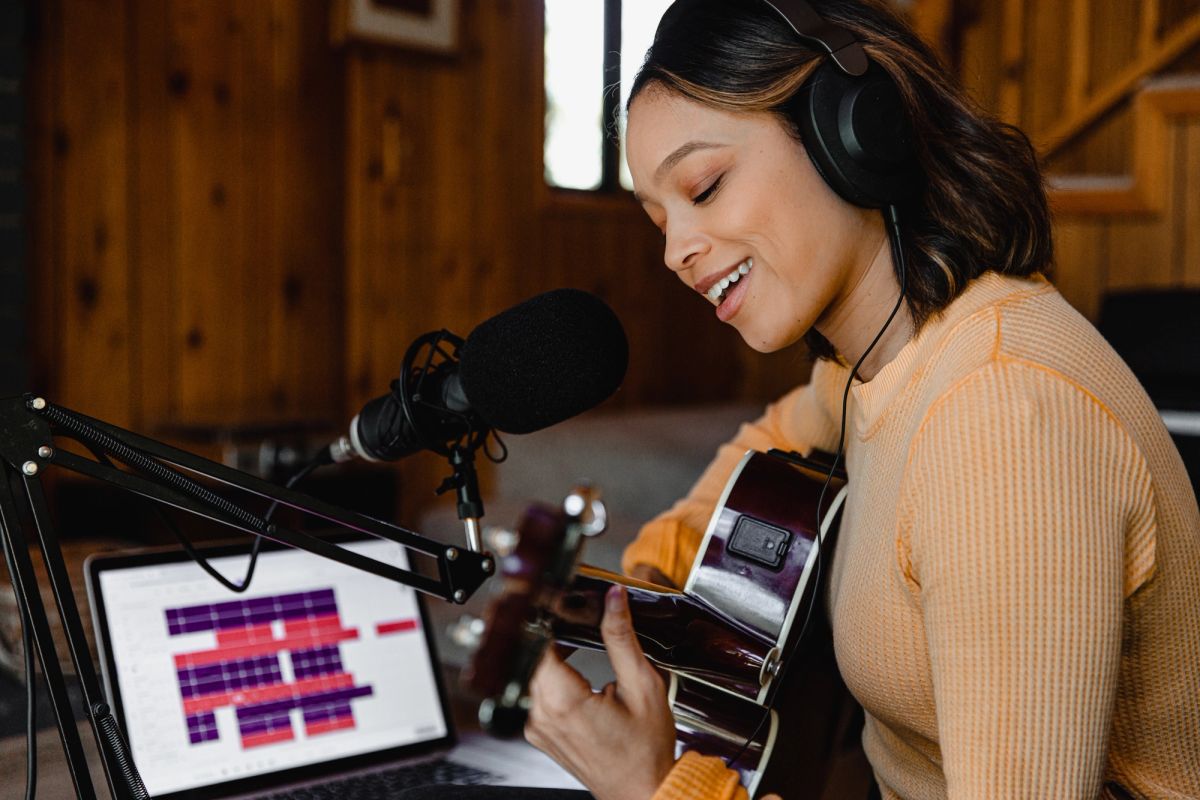
The entertainment industry, particularly the world of music, is known for being fiercely competitive, with countless talented artists vying for success and recognition. To stand out and thrive in such a saturated market, building a strong professional network becomes all the more essential for artists who want to connect with the right people and create opportunities for their music careers.

Quick Summary
In the competitive music industry, building a strong professional network is essential for success. Networking opens doors to collaborations, expands audiences, and offers valuable resources. To maximize networking potential, artists should research industry events, join organizations, and prepare with business cards. Genuine connections are crucial; fostering mutually beneficial relationships and practicing active listening strengthen ties. Maintaining communication and celebrating others' succ
As a full-service marketing agency specializing in music promotion , entertainment projects, and event management , AM World Group, a digital PR agency , excels in helping both personal and business brands navigate the complex landscape of the industry. We emphasize the importance of resourceful articles that focus on brand building and enable artists to grow and succeed in their chosen fields.
In this article, we will provide insightful tips and guidance to help music artists adopt proven networking approaches to create opportunities, collaborate with fellow musicians and industry professionals, establish their credibility, and foster ongoing success in the entertainment industry.
Why Networking Matters in the Music Industry
The ability to build a strong professional network is a vital skill for artists seeking to advance their careers and make a name for themselves in the music industry. The benefits of effective networking are numerous and include:
1. Creating Opportunities: Establishing connections with industry professionals, such as producers, managers, and promoters, can open doors to performance gigs, recording contracts, and collaboration opportunities.
2. Expanding Your Audience: Networking with other artists allows for the cross-pollination of fan bases, exposing your music to a broader audience and potentially gaining new followers.
3. Access to Valuable Resources and Information: Connecting with experienced industry professionals enables you to gain insider knowledge, mentorship, and valuable advice that can help inform your decisions and propel your career forward.
4. Building Credibility: Developing a strong network of associates and industry insiders can lend credibility to your music career, demonstrating that you are a dedicated and active member of the music community.
Finding and Attending the Right Networking Events and Opportunities
To fully harness the power of networking in the music industry, it's essential to attend the right events and seize opportunities to connect with fellow artists and professionals. Here are some tips for finding and attending networking events :
1. Research Industry Events: Stay informed about upcoming music conferences, festivals, showcases, and workshops in your local area and beyond. These events often provide valuable networking opportunities with fellow artists and industry insiders.
2. Join Industry Organizations: Consider joining relevant music organizations and associations, such as the Recording Academy or a local musicians' union, to access networking events, resources, and information tailored to your specific needs.
Ready to Promote Your Music?
AMW has run 200+ music campaigns across streaming, radio, and press.
3. Utilize Online Resources: Social media groups, industry blogs, and music-related newsletters are excellent resources for staying informed about networking opportunities in the music industry.
4. Be Prepared: Bring business cards or a digital alternative (QR code, contact card, etc.) to networking events to share your details with potential contacts and have an elevator pitch ready to introduce yourself and your music succinctly and professionally.
Mastering the Art of Networking: Approaching Contacts and Developing Rapport
Effective networking requires communication skills, confidence, and the ability to develop a genuine rapport with others. Follow these tips for mastering the art of networking in the music industry:
1. Be Genuine and Authentic: Remember that networking is about creating authentic connections, not just collecting contacts. Show genuine interest in others, listen to their story, and be honest in your self-representation.
2. Foster Mutually Beneficial Connections: Approach networking with the mindset of offering value rather than what you can gain from others. Think of potential ways you can collaborate, support, or help your new contacts, creating a foundation for a mutually beneficial relationship.
3. Practice Active Listening: Pay attention and engage in dialogue, asking open-ended questions and expressing genuine interest in learning more about the other person. Active listening strengthens rapport and aids in forging meaningful connections.
4. Follow Up: After connecting with someone new, follow up with a personalized email or message expressing your gratitude for the conversation and a desire to keep in touch or collaborate in the future.
Building and Maintaining Long-Term Professional Relationships
Developing a robust professional network is a long-term investment, requiring ongoing effort and commitment to nurturing and maintaining relationships. Here's how to build and maintain long-term professional connections:
1. Keep Contacts Organized: Create a system (digital or physical) for organizing your professional contacts, noting relevant details such as their occupation, how you met, and any potential collaboration opportunities.
2. Stay in Touch: Maintain regular communication with your network through email, social media, or personal messages. Share industry news, offer support, or simply check-in to keep yourself on their radar.
3. Celebrate Successes: Congratulate your contacts on their achievements and share their successes on social media, demonstrating your support and fostering camaraderie within your network.
4. Offer Assistance: Be proactive in offering guidance, resources, or help to others in your network when you can, cultivating goodwill and reciprocity in your professional relationships.
Ready to Promote Your Music?
AMW has run 200+ music campaigns across streaming, radio, and press.
Final Thoughts
The power of networking is undeniable for music artists seeking to reach new heights of success and build lasting careers in the entertainment industry. By attending targeted events, mastering the art of networking, and building and maintaining strong professional relationships, artists can create a robust network that unlocks a wealth of opportunities, resources, and support.
Embrace the potential of networking and watch as your music career flourishes with AMW. We are a music marketing agency in Los Angeles offering a comprehensive suite of entertainment, marketing, and branding services to clients across the globe. Message us today to learn more.
Leveraging Digital Platforms and Technology for Modern Music Networking
In today's digital landscape, networking has evolved far beyond traditional face-to-face interactions. Music artists must master online networking through platforms like LinkedIn, Instagram, TikTok, and industry-specific networks such as BandMix, ReverbNation, and SoundCloud. These platforms offer unique opportunities to showcase your work while connecting with potential collaborators, industry executives, and influencers. Smart artists utilize features like Instagram Live sessions to jam with other musicians, create duets on TikTok with industry peers, and participate in Twitter Spaces discussions about music trends.
Virtual networking events, online music conferences, and digital showcases have become permanent fixtures in the industry, offering global reach without geographical limitations. Platforms like Zoom, Discord, and specialized music networking apps allow artists to participate in virtual listening parties, online masterclasses, and digital meet-and-greets with A&R representatives. The key is to approach digital networking with the same authenticity and professionalism as in-person interactions while leveraging the unique advantages of each platform's features.
Email marketing and newsletter subscriptions remain powerful tools for maintaining long-term digital relationships. Creating a professional email signature with links to your music, scheduling regular updates about your projects, and engaging meaningfully with others' content helps establish your digital presence as a serious artist. Remember that consistency across all digital platforms builds recognition and trust, making you more memorable when opportunities arise.
Strategic Collaboration and Cross-Promotion Techniques
Successful networking in the music industry often translates into strategic collaborations that benefit all parties involved. Beyond simple introductions, effective networkers identify specific ways to create win-win scenarios through features, remixes, co-writing sessions, and joint performances. Consider organizing songwriter circles, producer swaps, or multi-artist showcases where each participant brings their unique audience and expertise. These collaborative efforts not only strengthen professional relationships but also create content that showcases your versatility and willingness to work with others.
Cross-promotion strategies amplify the power of your network exponentially. When you collaborate with another artist, you're essentially borrowing their credibility and audience while lending yours in return. This might involve playlist exchanges where you and your network add each other's songs to curated playlists, social media takeovers, or coordinated release campaigns. Smart artists also create 'networking content' such as behind-the-scenes videos of collaboration sessions, interviews with fellow musicians, or documentary-style content about the creative process.
Consider establishing or joining mastermind groups with other artists at similar career stages. These intimate groups meet regularly to share challenges, celebrate wins, and provide accountability for career goals. Such groups often become launching pads for larger collaborations, touring opportunities, and collective bargaining power when negotiating with venues, labels, or streaming platforms. The ongoing support and shared resources within these groups can accelerate everyone's career trajectory.
Navigating Industry Hierarchies and Building Relationships with Gatekeepers
Understanding the complex hierarchy within the music industry is crucial for effective networking. Key gatekeepers include A&R representatives, music supervisors, booking agents, radio programmers, playlist curators, music journalists, and venue owners. Each plays a specific role in an artist's potential success, and approaching them requires tailored strategies. Research their recent signings, preferred genres, submission guidelines, and professional backgrounds before making contact. When reaching out to industry gatekeepers, focus on how your music aligns with their current projects or roster rather than generic requests for attention.
Building relationships with intermediary professionals often proves more effective than targeting high-level executives directly. Music lawyers, publicists, sound engineers, session musicians, and talent buyers frequently have extensive networks and can provide valuable introductions. These professionals often attend the same events repeatedly and can become consistent advocates for your work. Treat every interaction as important, whether it's with an intern at a record label or a veteran producer – today's assistant could be tomorrow's decision-maker.
Patience and persistence are essential when networking with industry gatekeepers. Most successful relationships develop over time through multiple touchpoints rather than single interactions. Document your interactions, follow submission guidelines precisely, and respect busy schedules by being concise and professional in all communications. Consider offering value before asking for favors – this might involve sharing relevant industry news, making introductions within your own network, or providing feedback on their projects when appropriate. Remember that gatekeepers are more likely to champion artists who demonstrate professionalism, reliability, and mutual respect.

Ready to Promote Your Music?
AMW has run 200+ music campaigns across streaming, radio, and press.
Frequently Asked Questions
How can music networking events help independent artists build their careers?
Music networking events provide independent artists with direct access to industry professionals like producers, managers, and promoters who can offer performance gigs, recording contracts, and collaboration opportunities. These events also enable cross-pollination of fan bases with other artists, expanding audience reach. Additionally, artists gain insider knowledge, mentorship, and valuable advice from experienced professionals, while building credibility within the music community through meaningful industry connections.
What are the best music industry organizations for artists to join for networking opportunities?
Artists should consider joining organizations like the Recording Academy, local musicians' unions, and genre-specific associations that provide access to exclusive networking events, resources, and industry information. These organizations offer tailored networking opportunities, educational workshops, and direct connections to industry professionals. Membership often includes access to member-only events, industry databases, and professional development resources that can significantly advance an artist's career through strategic networking.
How should musicians prepare for networking events to maximize success?
Musicians should prepare business cards or digital alternatives like QR codes, develop a concise elevator pitch about their music and career goals, and research attendees and speakers beforehand. Being genuine and authentic is crucial - focus on creating meaningful connections rather than collecting contacts. Artists should also prepare questions about the industry, have samples of their music ready to share, and follow up with new contacts within 48 hours to maintain momentum.
What online resources can music artists use to find networking opportunities?
Artists can utilize social media groups focused on music industry networking, subscribe to industry blogs and newsletters, join platforms like LinkedIn for professional connections, and follow music conference websites for event announcements. Facebook groups, Discord servers, and Reddit communities often share local and virtual networking opportunities. Industry publications, record label websites, and music venue social media pages also regularly post about upcoming showcases, workshops, and networking events.
How can networking help emerging artists gain credibility in the music industry?
Networking helps emerging artists gain credibility by demonstrating they are active, dedicated members of the music community with professional industry connections. When established professionals endorse or collaborate with new artists, it lends legitimacy to their work. Strong networks also provide testimonials, referrals, and recommendations that validate an artist's professionalism and talent, making industry gatekeepers more likely to take them seriously and offer meaningful opportunities.
What networking strategies work best for introverted musicians at industry events?
Introverted musicians can succeed by preparing conversation starters about music and industry topics, focusing on one-on-one conversations rather than large groups, and arriving early when crowds are smaller. Setting realistic goals like meeting 2-3 people per event reduces pressure. They should leverage their listening skills to ask thoughtful questions and show genuine interest in others' work. Following up via email or social media often feels more comfortable than in-person networking for introverts.
Related Resources
Calculators
Case Studies
Pricing Guides
Related Articles
The Potential of TikTok for Musicians: Building Your Music Brand and Engaging Audiences
In the ever-changing landscape of the music industry, it's essential for musicians to stay on top of emerging trends, platforms, and strategies to engage with their audience and grow their brand. TikT
Mastering Public Relations for Musicians: Building and Protecting Your Music Brand
In the world of music and entertainment, one crucial aspect that cannot be ignored is the realm of public relations (PR). For musicians, PR plays a pivotal role in amplifying your message, building yo
Public Relations for Music: Crafting an Effective PR Strategy
In the music industry, a solid public relations strategy may enhance an artist's visibility, expand their reach, and create meaningful connections with a wider audience. Whether the focus is on an