

Top Reasons Musicians Should Take Advantage of Social Media

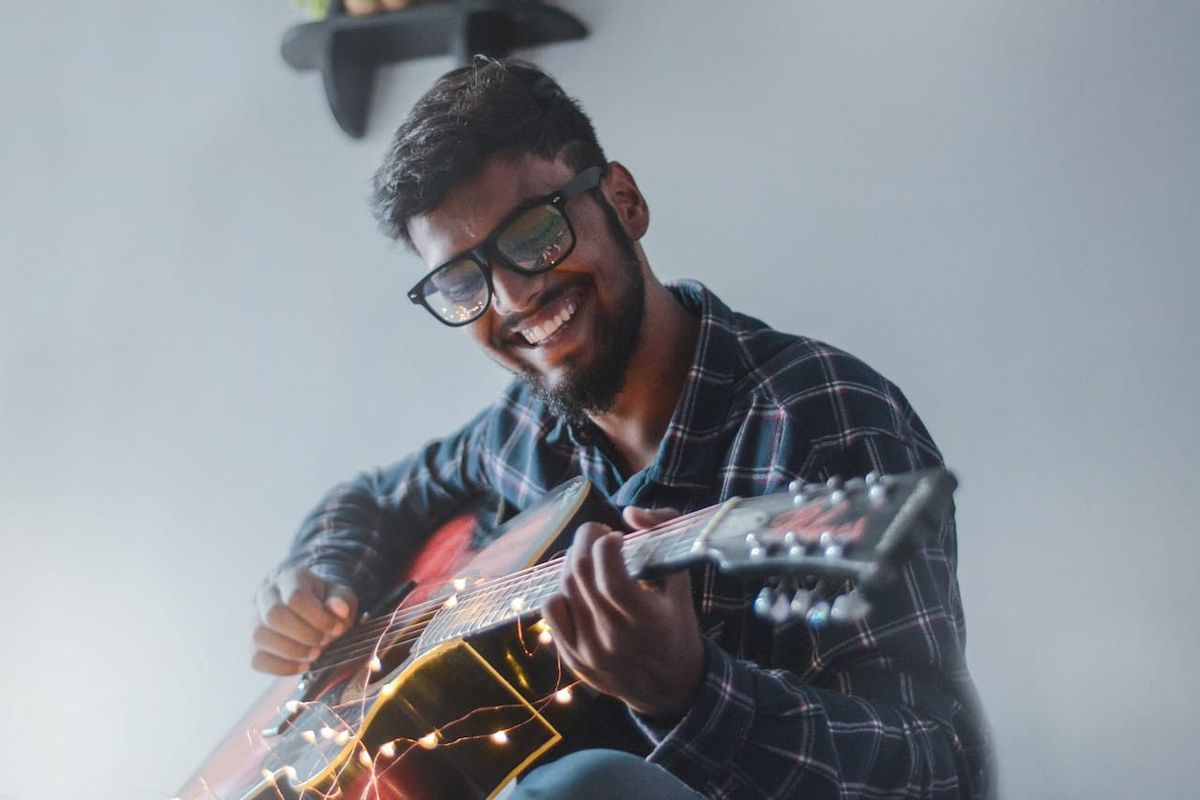
Building your brand as a musician can be nerve-wracking, especially if you need help figuring out where to start. With thousands of channels in the market, how do you begin your journey of music promotion ? Luckily, there's a solution to this problem: social media management.

Quick Summary
Building a musician's brand is essential, and social media serves as a powerful tool for this purpose. It increases exposure, enhances engagement, and fosters a strong community of loyal fans. Effective communication channels established through social media create valuable networking opportunities, leading to potential collaborations. Ultimately, utilizing social media can significantly boost sales by reaching wider audiences and connecting directly with fans, making it a crucial strategy for a
You might think social media is unnecessary as you can easily submit your pieces to a record label company and call it a day. However, that is not the case. After all, social media has become a vital part of the music industry and can be a big way to get your music out there.
Here are the top reasons social media benefits musicians, especially aspiring ones:
1. Increasing Exposure
Of course, this benefit is the most obvious one. As a musician, you want to spread the word about your music as much as possible. Social media is one of the best approaches to that, as it allows you to connect with fans worldwide. You can share your music and thoughts and connect with them more personally. This can help you build a loyal fanbase that will support you throughout your career.
2. Enhancing Engagement
Engagement in social media comes in many forms, and as a musician, it's important to remember that every interaction with your fans is an opportunity to build a stronger connection with them. You can increase engagement by posting interesting and engaging content, responding to comments and questions, and running social media contests and giveaways. The more engaged your fans are, the more likely they will stick around and become true supporters of your music.
3. Building a Community
One great benefit of social media management for musicians is that they can establish their community. By having a solid fanbase that supports them, they can better interact with their fans and keep them updated on their latest news and projects.
This helps to create a closer connection between the musician and their fans, which can result in more loyalty and support. Social media can also be a persuasive tool for marketing and promoting music, helping musicians reach a wider audience.
4. Improving Communication
Social media management allows musicians to communicate with potential business partners and fellow musicians who want to collaborate. By having a strong social media presence, musicians can easily connect with others in the music industry, leading to more networking and collaboration opportunities. Social media can also help musicians keep their fans updated on their latest news and projects, improving communication between the musician and their fanbase.
5. Boosting Sales
You might think musicians cannot generate sales from social media. However, that is not the case. In fact, according to a study by SyncSumo, social media can account for up to 34% of music sales.
If you’re not employing social media to advertise your music, you’re missing out on a huge opportunity to sell and connect with fans. You can achieve a wider audience and boost your sales by creating social media profiles for your music and sharing them on these platforms.
Final Thoughts
There are many reasons musicians should take advantage of social media. It allows them to connect with their fans more personally, help them build their brand, and sell more music. So, if you're a musician, take advantage of social media!
AMW® helps musicians promote their brand through effective and results-driven social media management and music promotion . Get in touch with us today for more information!
Platform-Specific Strategies for Maximum Impact
Understanding the unique characteristics of each social media platform is crucial for developing an effective music promotion strategy. Instagram thrives on visual content, making it perfect for sharing behind-the-scenes footage, concert photos, and short video snippets of your latest tracks. Use Instagram Stories and Reels to showcase your creative process, studio sessions, and daily life as a musician. The platform's music integration features allow you to add your tracks directly to posts, making it easier for followers to discover and share your music.
Ready to Promote Your Music?
AMW has run 200+ music campaigns across streaming, radio, and press.
TikTok has revolutionized music discovery, with many songs going viral through creative short-form videos. Create engaging content that incorporates your music as background audio, participate in trending challenges, and encourage user-generated content featuring your songs. The platform's algorithm favors authentic, creative content over polished production, making it accessible for independent musicians. Meanwhile, YouTube serves as both a streaming platform and social network where you can upload full songs, music videos, live performances, and vlogs that give fans deeper insight into your artistic journey.
Facebook and Twitter excel at community building and real-time communication. Use Facebook Groups to create exclusive communities for your most dedicated fans, share longer-form content about your music, and host live streaming sessions. Twitter's fast-paced environment is perfect for quick updates, engaging in music industry conversations, and connecting with other artists, journalists, and industry professionals. Each platform requires tailored content strategies to maximize engagement and reach your target audience effectively.
Leveraging Analytics and Data-Driven Insights
Social media platforms provide powerful analytics tools that offer valuable insights into your audience demographics, engagement patterns, and content performance. These metrics help you understand when your fans are most active online, which types of content generate the highest engagement, and what demographics make up your core audience. Instagram Insights, Facebook Analytics, and YouTube Analytics reveal crucial data about reach, impressions, saves, shares, and audience retention that can inform your content strategy and posting schedule.
Track key performance indicators (KPIs) such as follower growth rate, engagement rate , click-through rates to your music streaming platforms, and conversion metrics from social media to actual music sales or streams. Use tools like Spotify for Artists, Apple Music for Artists, and social media scheduling platforms like Hootsuite or Buffer to consolidate data and identify trends. Pay attention to which songs or content pieces drive the most traffic to your streaming platforms, as this information can guide your future release strategies and promotional campaigns.
A/B testing different content formats, posting times, and promotional approaches helps optimize your social media performance. Experiment with various hashtag strategies, caption lengths, and content themes to see what resonates most with your audience. Create custom UTM codes for links shared on social media to track which platforms drive the most traffic to your website or streaming services. This data-driven approach ensures you're investing time and resources in the most effective social media strategies for your specific audience and musical genre.
Monetization Opportunities Beyond Direct Sales
Social media platforms have evolved beyond simple promotional tools to become direct revenue streams for musicians. Instagram and Facebook offer monetization features like badges during live streams, where fans can purchase virtual gifts to support their favorite artists. YouTube's Partner Program allows musicians to earn ad revenue from their videos, while platform-specific features like YouTube Memberships and Patreon integration provide subscription-based income models. TikTok's Creator Fund and brand partnership opportunities can generate additional income streams for musicians who build significant followings.
Merchandise sales integration has become seamless across social platforms, with Instagram Shopping, Facebook Shops, and Pinterest Product Pins allowing musicians to sell branded items directly through their social media profiles. Consider creating exclusive merchandise for your social media followers, such as limited-edition items announced only through your channels. Platforms like Bandcamp integrate well with social media promotion, enabling direct-to-fan sales of digital and physical music products while maintaining higher profit margins than traditional streaming services.
Virtual concerts and live streaming monetization have gained tremendous popularity, especially following global events that limited in-person performances. Platforms like Facebook Live, Instagram Live, YouTube Live, and specialized services like StageIt or Veeps allow musicians to charge admission for exclusive performances. Offer tiered experiences such as VIP virtual meet-and-greets, private acoustic sessions, or early access to new songs for premium supporters. These digital experiences can generate significant revenue while strengthening fan relationships and expanding your reach to global audiences who might never attend physical concerts.
Content Planning and Consistency Strategies
Developing a comprehensive content calendar is essential for maintaining consistent social media presence without overwhelming yourself or your audience. Plan content themes around your release schedule, with pre-release teasers, launch day promotions, and post-release engagement campaigns. Include a mix of content types such as musical content (snippets, full songs, covers), behind-the-scenes material (studio sessions, songwriting process, equipment), personal content (daily life, inspirations, collaborations), and interactive content (polls, Q&As, challenges). This variety keeps your audience engaged while showcasing different aspects of your artistic personality.
Batch content creation and scheduling tools can streamline your social media management, allowing you to maintain consistent posting even during busy periods like tours or recording sessions. Tools like Later, Sprout Social, or Creator Studio enable you to schedule posts across multiple platforms simultaneously. Create templates for different types of posts, such as new release announcements, concert promotions, or throwback content, to maintain visual consistency and save time. Develop a signature style or aesthetic that makes your content instantly recognizable in crowded social media feeds.
Engage authentically by responding promptly to comments, messages, and mentions while maintaining professional boundaries. Set aside dedicated time each day for social media interaction rather than constantly monitoring notifications, which can detract from your creative work. Use social listening tools to monitor mentions of your name, songs, or band across platforms, enabling you to join conversations and thank fans who share your music organically. Remember that consistency in posting schedule and engagement is more valuable than sporadic bursts of intensive social media activity followed by long periods of silence.

Ready to Promote Your Music?
AMW has run 200+ music campaigns across streaming, radio, and press.
Frequently Asked Questions
How can social media help new musicians get discovered?
Social media platforms allow new musicians to reach a global audience without traditional gatekeepers like record labels. By consistently posting music content, engaging with followers, and using relevant hashtags, musicians can increase their visibility. Platforms like TikTok, Instagram, and YouTube offer algorithm-driven discovery features that can expose your music to potential fans organically. Building authentic connections through comments, live streams, and behind-the-scenes content helps convert casual listeners into dedicated supporters.
Which social media platforms are best for musicians to promote their music?
Instagram, TikTok, YouTube, and Twitter are the most effective platforms for musicians. Instagram excels for visual storytelling and Stories features, while TikTok's algorithm can make songs go viral quickly. YouTube remains crucial for long-form content and music videos. Twitter facilitates real-time fan engagement and industry networking. Choose 2-3 platforms initially to maintain consistent, quality content rather than spreading yourself too thin across all platforms.
How much can social media actually increase music sales for independent artists?
Research shows social media can account for up to 34% of music sales according to industry studies. Independent artists particularly benefit because social platforms provide direct-to-fan sales opportunities through features like Instagram Shopping, YouTube's merchandise shelf, and links to streaming platforms. Successful social media campaigns can drive significant streaming revenue, concert ticket sales, and merchandise purchases by building engaged fan communities that actively support artists financially.
What type of content should musicians post on social media to engage fans?
Musicians should mix promotional content with personal, behind-the-scenes material. Share studio sessions, songwriting processes, live performance clips, and personal stories that humanize your brand. Post consistently using a 80/20 rule: 80% engaging, valuable content and 20% direct promotion. Run interactive content like Q&As, polls, and contests. Respond promptly to comments and messages to build genuine connections. Visual content like videos and photos typically perform better than text-only posts.
How often should musicians post on social media without overwhelming followers?
Post frequency varies by platform: Instagram 1-2 times daily, TikTok 1-3 times daily, Twitter 3-5 times daily, and YouTube 1-2 times weekly. Focus on quality over quantity – consistent, engaging posts perform better than frequent low-quality content. Use analytics to track when your audience is most active and schedule posts accordingly. Create a content calendar to maintain consistency without burnout, and don't hesitate to take breaks when needed.
Can musicians collaborate with other artists through social media platforms?
Social media excels at facilitating musical collaborations. Musicians can discover potential collaborators through hashtags, mutual connections, and platform recommendations. Direct messaging allows easy communication for project discussions. Platforms like Instagram and TikTok enable virtual collaborations through duets, remix features, and shared content. Many successful partnerships begin with artists engaging authentically with each other's content, leading to networking opportunities and creative projects that benefit both artists' audiences.
How do musicians build a loyal fanbase using social media strategies?
Building loyalty requires consistent engagement and authentic connection. Respond personally to comments and messages, share your creative journey openly, and create exclusive content for followers. Use live streaming to interact in real-time, remember regular supporters by name, and share fan-generated content to show appreciation. Develop a unique voice and aesthetic that reflects your musical style. Consistency in posting, genuine interactions, and providing value beyond just music promotion creates emotional bonds that convert followers into lifelong supporters.
Related Resources
Calculators
Case Studies
Pricing Guides
Related Articles
What is Music PR?
Public Relations (PR) in the music industry, often called Music PR, plays a crucial role in shaping artists' careers and influencing how music is perceived and consumed globally. At its core, Musi
How to Promote Your Music Without Breaking the Bank
If you want to get your music heard by the masses, it’s not as simple as just making great music. While it’s true that the quality of your music is vital to your success, listeners today have access t
Navigating Music Promotion: The Social Media Shift
The music industry has undergone a seismic shift in recent years, largely due to the rise of social media. Platforms like Facebook, Instagram, TikTok, and Twitter have become powerful tools for artist