

Top Strategies for Marketing a Service in 2026


Business is always changing, and when you are marketing a service, it requires us to adapt and innovate. The competition is tougher, and customer expectations are higher than ever.

Quick Summary
To thrive in a competitive market, service-based businesses must embrace AI and automation for personalized marketing, data analytics for customer insights, and a strong focus on customer experience to drive loyalty. Investing in employee training and implementing omnichannel support enhances service quality. Additionally, effective content marketing, engagement through social media, and utilizing video marketing are crucial strategies for success in 2025 and beyond.
In order to win customers, service-based businesses need to use the latest tools and strategies.
This post will give you a guide to the top strategies for 2025 and be actionable to help you succeed.
Go Digital
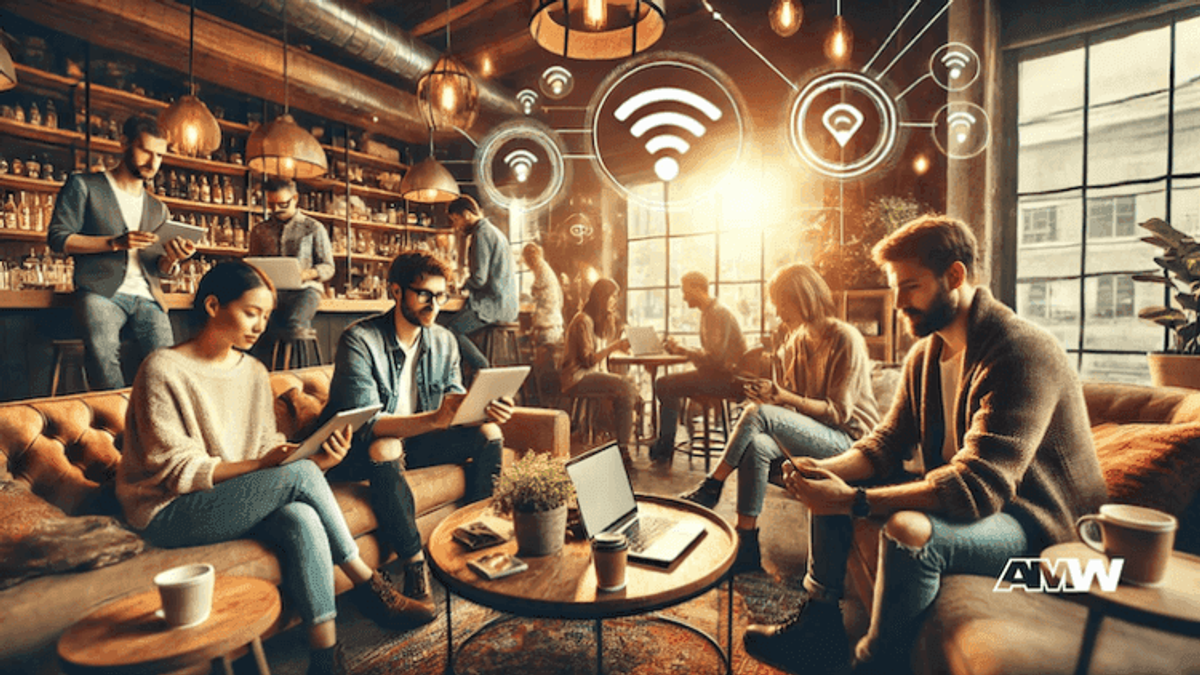
Use AI and Automation
AI and automation are changing marketing, and service-based businesses have never had more opportunity.
AI allows marketers to personalize at scale, so each customer gets messages that resonate with their unique needs and preferences. Automated systems can handle repetitive tasks, allowing you to concentrate on creative and strategic work.
By using AI powered tools businesses can analyse huge amounts of data to predict customer behaviour, optimise pricing, and improve customer experience.
Popular AI tools like chatbots provide instant customer support and increase satisfaction and engagement.
Marketing automation platforms make email marketing, social media posting , and lead nurturing a breeze so you can keep in touch with prospects and customers.
Use Data Analytics
Data-driven decision-making is key to service marketing today. By using data analytics, businesses can get deep insights into customer behavior, preferences, and trends.
These insights allow businesses to refine their marketing strategy so they target the right audience with the right message at the right time.
Tools like Google Analytics allow businesses to track key performance indicators (KPIs), monitor campaign performance and identify areas to improve.
By continually analyzing data, businesses can be agile and make informed decisions to maximize ROI.
Customer Experience (CX)
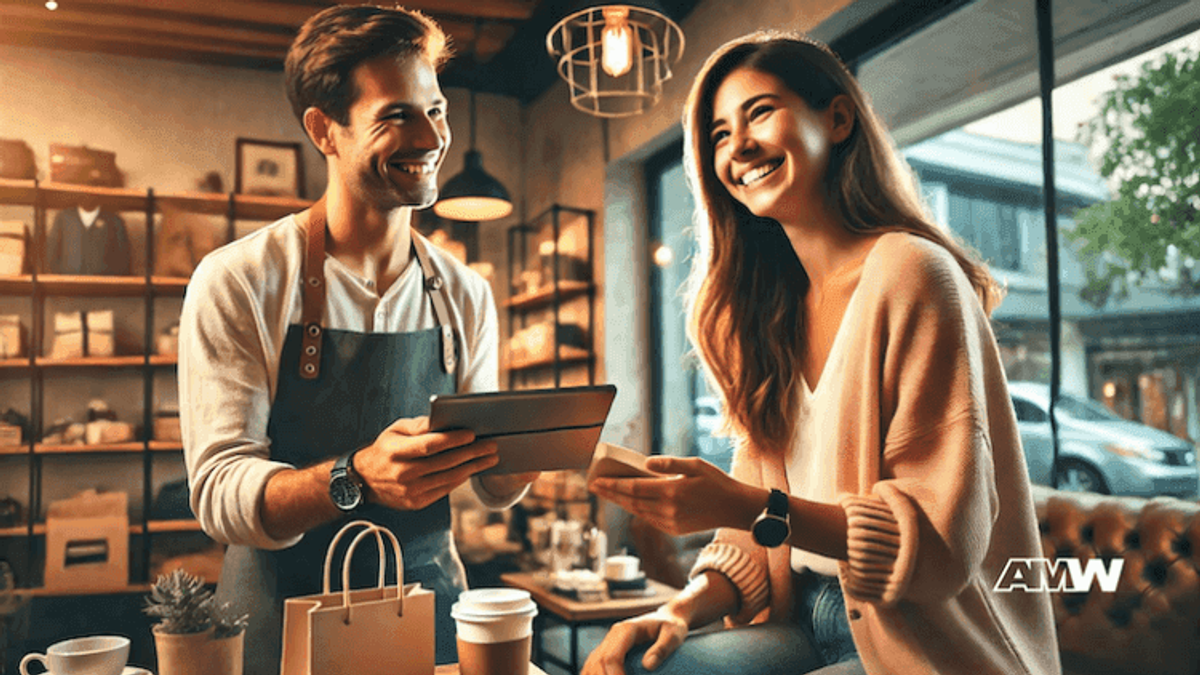
Service Quality
In service based industries service quality is key. High service quality meets customer expectations and exceeds them, builds loyalty and positive word of mouth.
Consistently delivering great service requires a commitment to ongoing employee training and development.
Investing in staff training means employees are equipped with the skills and knowledge to do their job. Regular workshops, certifications and customer service training sessions can make a big difference to service delivery.
Plus implementing quality control and gathering customer feedback helps in identifying areas to improve so you can continually improve service quality.
Omnichannel Support
Customers expect all touchpoints to provide a smooth experience. Implementing an omnichannel support strategy allows businesses to provide one customer service across multiple platforms, including email, phone, social media, and live chat.
Using technologies like chatbots and AI powered support systems can speed up response times and accuracy so customers get instant help. Omnichannel means customers can contact you through their preferred channel and get consistent high quality support no matter what platform they use.
This can enhance customer satisfaction and fosters trust and loyalty.
Content Marketing
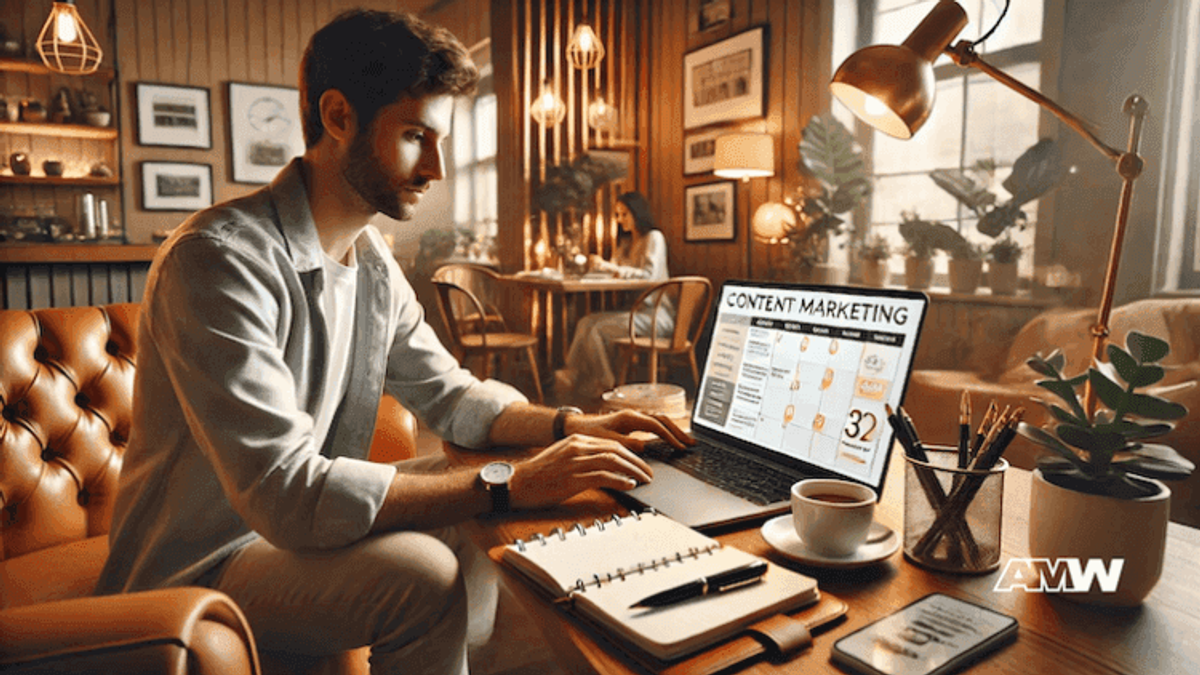
Create Content
Content is still at the heart of service marketing. Creating valuable, informative, and engaging content attracts and retains customers by giving them the information they need to make a decision.
The types of content that work best with audiences are blog posts , whitepapers, case studies, webinars, and video tutorials.
Having a content strategy that focuses on the difficult points and interests of your audience is key.
This means researching your audience’s needs and preferences and then creating content that solves their problems and provides insights. Great content drives traffic to your site and positions your business as an expert in your industry.
Search Engine Optimise
SEO is crucial to make your content discoverable by your customers.
By following SEO best practices, you can get your site to rank on search and drive organic traffic to your site. Key SEO strategies are keyword research, on-page optimization, and building high-quality backlinks.
Using a tool like Google Keyword Planner can help you find the KWs your audience is searching for. Adding those keywords naturally into your content, meta descriptions, and headers will increase your site’s visibility.
Plus creating high quality backlinks through guest posts and partnerships with authoritative sites will boost your site’s credibility and search engine ranking.
Leverage Social Media

Engage with Your Customers
Social media provides you with a chance to interact and create brand awareness.
By being active on platforms like Facebook, X, LinkedIn, and Instagram, businesses can connect with customers, share content, and build a community.
Effective social media engagement means posting regularly, responding to comments and messages quickly, and participating in conversations.
Engaging on social media builds brand loyalty and gives you insights into preferences and trends.
Partner with Influencers
Working with influencers can supercharge your marketing. Influencers have credibility and a loyal following in specific niches, so they are powerful advocates for your service.
Finding and partnering with influencers whose audience matches your target market will increase your brand visibility and credibility.
When working with influencers you need to set clear objectives and expectations. Whether it’s promoting a new service, sharing customer testimonials or hosting a live event, influencers can create authentic content that resonates.
Measuring the impact of influencer campaigns through engagement rates, conversion rates, and ROI will help you gauge their effectiveness and refine your future strategy.
Personalise Marketing
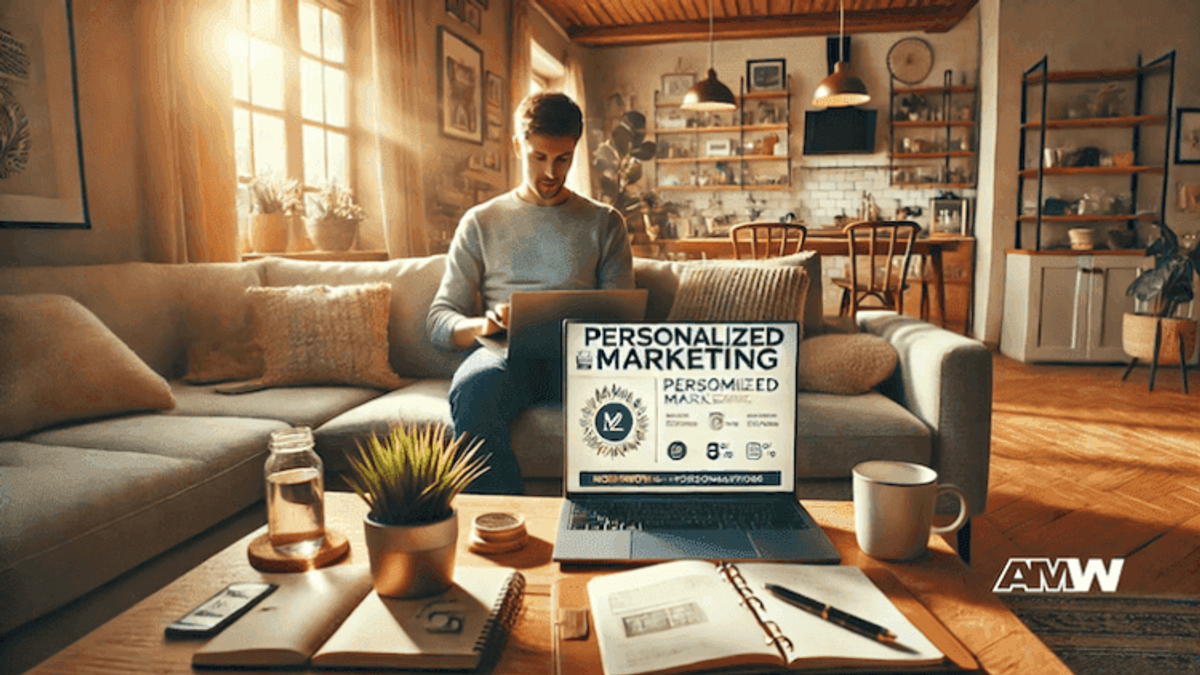
Segment Your Audience
Segmenting your audience means dividing your target market based on demographics, behavior, and preferences.
By segmenting, you can tailor your marketing to the specific needs and interests of each group and get more effective and personalized campaigns.
Segmentation allows you to create targeted messages and offers for different audience segments. As an example, one can create personalized email campaigns for different customer groups so each recipient gets relevant and valuable content.
Using CRM systems and marketing automation tools can help you segment and refine your campaigns.
Message Your Audience
Personalized messaging is a great way to engage customers and drive conversions. By crafting messages that speak directly to individual needs and preferences, businesses can build a deeper connection with their audience.
This means using customer data to inform your messaging so each interaction is relevant and timely.
Personalized messaging can be applied across multiple channels, including email, social media, and website content. Tools like dynamic content and personalized email templates allow you to deliver tailored messages at scale.
Plus, using customer data to inform your content strategy means your marketing is customer-centric and effective.
Video Marketing

Create Video Content
Video has become an important tool for engaging customers and communicating complex information in an easy-to-digest format. Video content is versatile; businesses can show their services and share customer testimonials and educational tutorials.
To create engaging video content focused on storytelling and high production quality. Videos should be short, visually appealing, and informative.
Explainer videos, how-to guides, and behind-the-scenes information about your business can capture your audience and build a deeper connection with your brand.
Investing in professional equipment and editing software will help you produce higher-quality videos that reflect your brand’s professionalism and attention to detail.
Live Stream
Live streaming offers a chance to interact with your audience in real time, creating a sense of urgency and engagement that pre-recorded videos can’t match.
Platforms like Facebook, Instagram, and YouTube allow businesses to host live Q&A sessions, product demos, events and more.
To get the most out of live streaming, promote your live events in advance through social media and email marketing. During the live stream, respond to comments and questions in real time.
This interactive approach will not only increase engagement but also give you valuable insights into customer concerns and interests.
Build Your Online Presence

Optimize Your Website
A user friendly, responsive website is essential for any service based business. Your website is the digital face of your business and its design and functionality can impact customer perceptions.
Optimize for desktop and mobile devices so it’s seamless across all platforms.
Key elements of a service-based website include clear navigation, service descriptions, and strong calls to action. High-quality images, testimonials, and case studies can encourage visitors to engage with your services.
Updating your site with fresh content will drive organic traffic and increase your online visibility.
Use Online Reviews and Testimonials
Online reviews and testimonials are a way to build trust and credibility. Positive reviews from happy customers can influence potential customers purchasing decisions and your reputation.
Ask customers to leave reviews.
Use testimonials effectively and feature them on your website and marketing materials. Video testimonials can be powerful as they give a more personal and authentic account of customer experiences.
Respond to show you care about customer satisfaction, which can strengthen your brand reputation.
Try New Things

Virtual and Augmented Reality
VR and AR offer immersive experiences that can enhance service delivery and marketing. As an example, AR can be used to create interactive product demos, and VR can provide virtual tours and training simulations.
Implementing VR and AR requires investment in the right technology and content development. But the benefits, increased customer engagement and differentiation from competitors can justify the cost.
Examples of successful VR and AR marketing campaigns include virtual showrooms, interactive brochures, and augmented product catalogs.
Summary

In summary, marketing is changing fast with new technologies and strategies emerging to meet customer needs. Digital transformation, customer experience and content marketing are the foundation for success.
Plus using social media, personalising marketing, video marketing, optimising your online presence and trying new things can help you marketing even more.
Being agile and innovative is key. By following these top tips, your business can stay ahead, build stronger relationships with customers, and achieve long-term success.
Q&A
How can AI and automation help my service marketing?
AI and automation can personalize, streamline marketing, and provide valuable insights through data analytics so you can market more effectively.
What’s the importance of customer experience in service marketing?
A good customer experience means higher customer satisfaction, loyalty and word of mouth referrals which are key to any service business.
How do I create content that speaks to my audience?
Produce valuable, informative and engaging content that meets interests of your audience. Use SEO best practice so your content is findable.
What are the benefits of using social media for service marketing?
Social media allows you to communicate with your audience, increase brand recognition, and develop relationships with customers. It’s also a platform for influencer collaborations and targeted ads.
How can video marketing help my service business?
Video marketing can communicate your service offerings, showcase customer testimonials and engage your audience with dynamic and visual content.
How can I optimize my website for online presence?
The website should be user friendly, mobile responsive and search engine optimised. Include clear calls to action, service descriptions and customer testimonials to build credibility.

Frequently Asked Questions
What are the most effective AI tools for service marketing in 2026?
The most effective AI tools include chatbots for instant customer support, marketing automation platforms for email and social media management, and predictive analytics tools for customer behavior analysis. Popular options include HubSpot's automation features, Drift for conversational marketing, and Google Analytics Intelligence. These tools enable personalization at scale, optimize pricing strategies, and handle repetitive tasks while allowing marketers to focus on strategic initiatives that drive customer engagement and ROI.
How can service-based businesses implement an effective omnichannel support strategy?
Implement omnichannel support by integrating customer service across email, phone, social media, and live chat platforms. Use CRM systems to maintain consistent customer data across all touchpoints, deploy AI-powered chatbots for instant responses, and ensure staff training covers all communication channels. Key tools include Zendesk, Salesforce Service Cloud, or HubSpot Service Hub. This approach ensures customers receive consistent, high-quality support regardless of their preferred communication method, enhancing satisfaction and building long-term loyalty.
What types of content work best for service marketing in 2026?
The most effective content types include educational blog posts addressing customer pain points, detailed case studies showcasing successful outcomes, video tutorials demonstrating service value, and interactive webinars for real-time engagement. Whitepapers and industry reports establish thought leadership, while customer testimonials and behind-the-scenes content build trust. Focus on solving specific problems your audience faces and providing actionable insights that position your business as an industry expert while driving organic traffic and lead generation.
How do you segment audiences effectively for personalized service marketing?
Segment audiences based on demographics (age, location, income), behavioral data (purchase history, website interactions), psychographics (interests, values), and service preferences. Use CRM systems like Salesforce or HubSpot to collect and analyze customer data. Create distinct personas for each segment, then develop targeted messaging and campaigns. Consider factors like service usage frequency, customer lifecycle stage, and communication preferences. This enables personalized email campaigns, customized service offerings, and more relevant content that increases conversion rates and customer satisfaction.
What are the key SEO strategies for service businesses in 2026?
Focus on local SEO optimization with Google My Business listings, target long-tail keywords specific to your services, create location-based landing pages, and build high-quality backlinks through guest posting and industry partnerships. Use tools like Google Keyword Planner for keyword research, optimize for voice search queries, and ensure mobile-first design. Create service-specific content hubs, implement schema markup for better search visibility, and regularly update content to maintain freshness. Monitor performance through Google Analytics and Search Console.
How can service businesses measure the ROI of influencer marketing campaigns?
Track key metrics including engagement rates, click-through rates, conversion rates, and direct sales attribution using UTM codes and unique promo codes. Monitor brand mention increases, follower growth, and website traffic spikes during campaigns. Use tools like Google Analytics, social media analytics platforms, and influencer marketing software like AspireIQ or Upfluence. Calculate ROI by comparing campaign costs against generated revenue, new customer acquisitions, and lifetime customer value. Set clear KPIs before campaigns launch and establish baseline metrics for accurate measurement.
What video marketing strategies are most effective for service-based businesses?
Create educational how-to videos, customer testimonial compilations, behind-the-scenes content, and live Q&A sessions to build trust and demonstrate expertise. Use explainer videos for complex services, case study walkthroughs, and service demonstrations. Optimize for multiple platforms including YouTube, LinkedIn, and social media with platform-specific formats. Invest in quality equipment and editing software, keep videos concise (2-3 minutes for most content), and include clear calls-to-action. Live streaming creates real-time engagement and urgency that pre-recorded content cannot match.
Related Resources
Related Articles

AI Revolution in PR: 5 Ways AI Tools Are Reshaping Storytelling & Campaigns
Discover how AI is revolutionizing PR storytelling, from personalized narratives to predictive analytics. Learn how tools like GPT-4 and DALL-E enable PR professionals to craft data-driven,...

50 Game-Changing AI for Marketing Strategies That Boost ROI by 37% in 2026
Artificial intelligence has revolutionized marketing by enabling businesses to leverage data for personalized customer experiences and automated campaigns. Marketers now utilize AI tools for...

What is a Digital Marketing Agency? Understanding How It Can Help Your Business
Traditional marketing methods must often be revised to stay ahead in the competitive market. A digital marketing agency employs digital channels, social media, and search engines to promote busine