

Behind the Scenes of Concert Tour Success: Essential Planning Tips

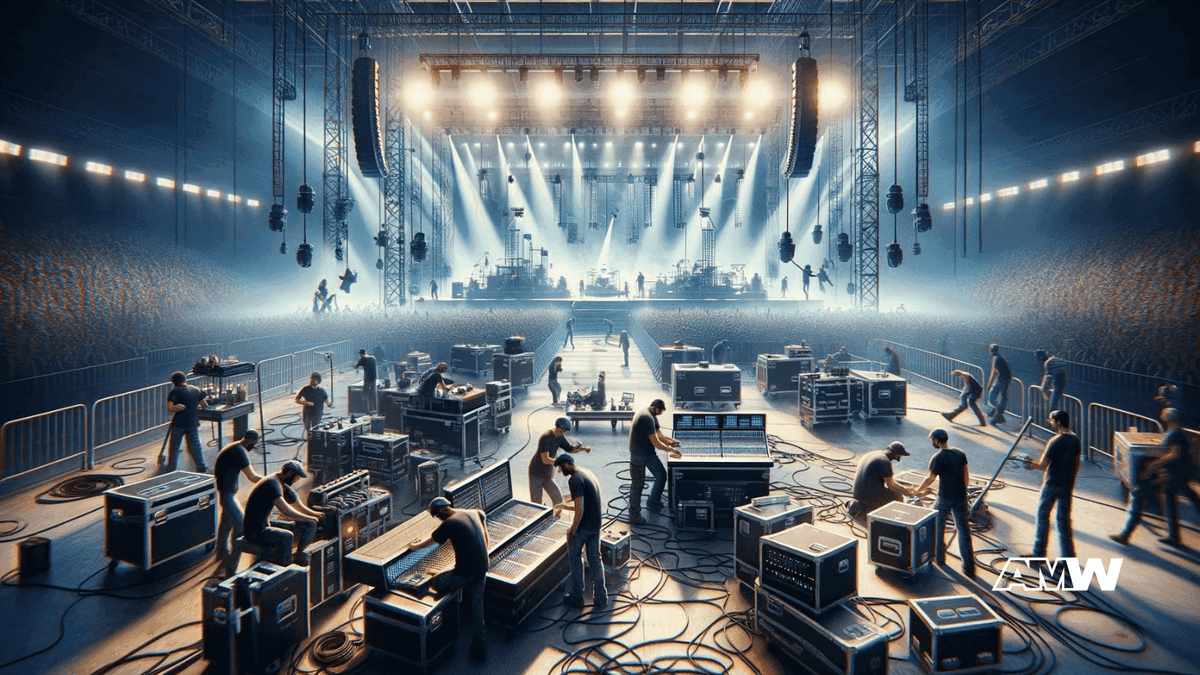
The spectacle and allure witnessed on stage during a concert tour merely scratches the surface of what it takes to orchestrate such an event.

Quick Summary
Behind the glamour of a concert tour lies a complex web of planning and coordination. Establishing a definitive vision guides the entire process, ensuring each performance resonates with audiences. Key components include comprehensive budgeting and selecting venues that align with the tour's theme. Effective logistics and scheduling, strategic marketing, and health and safety protocols further enhance the experience. Ultimately, teamwork, flexibility, and audience engagement are vital to transfo
Behind the vibrant lights and the seamless execution lies a complex web of detailed planning and rigorous coordination. These backstage efforts are the unsung heroes, ensuring every aspect of the show operates flawlessly. For individuals embarking on this journey, whether you are an up-and-coming artist, an experienced tour manager, or a key player in the extensive support team, a profound understanding of the intricacies involved in concert tour planning is indispensable.
This article aims to elucidate key strategies that are instrumental in navigating the challenges of tour planning, highlighting the indispensable role of meticulous organization and unwavering commitment in transforming musical visions into reality.
Start with a Vision
Embarking on a successful tour is akin to charting a voyage; it necessitates a definitive vision that captures the auditory and visual aspects of the performance and the emotional and experiential journey you intend for your audience.
This vision encapsulates the essence of your music , the narrative you wish to convey, and the distinctive features that will differentiate your tour from others. It's about crafting an identity that resonates with your audience, making each concert an unforgettable experience.
A cogent, well-articulated vision is the cornerstone for all subsequent planning activities, providing a coherent direction that guides decision-making processes and aligns the efforts of all involved parties.
Budget Wisely
The financial framework of a concert tour is a critical pillar supporting the operation's feasibility and sustainability.
Comprehensive budgeting extends beyond the apparent costs, delving into the minutiae of travel logistics, accommodation, venue leasing, technical infrastructure, and personnel expenses. It also accounts for the unpredictable—the inevitable variances and challenges that arise during a tour. Establishing a robust budget entails meticulous forecasting and prudent resource allocation, ensuring that the tour survives and thrives financially. Including a contingency reserve is a sensible practice, safeguarding against the financial implications of unforeseen events and providing the tour's resilience in the face of adversity.
These foundational elements of vision and financial planning are not merely administrative tasks but are emblematic of the strategic foresight and creative ingenuity that underpin a successful concert tour. They serve as the blueprint from which all operational and creative decisions emanate, ensuring that every facet of the tour contributes towards a cohesive and impactful audience experience.
Location, Location, Location
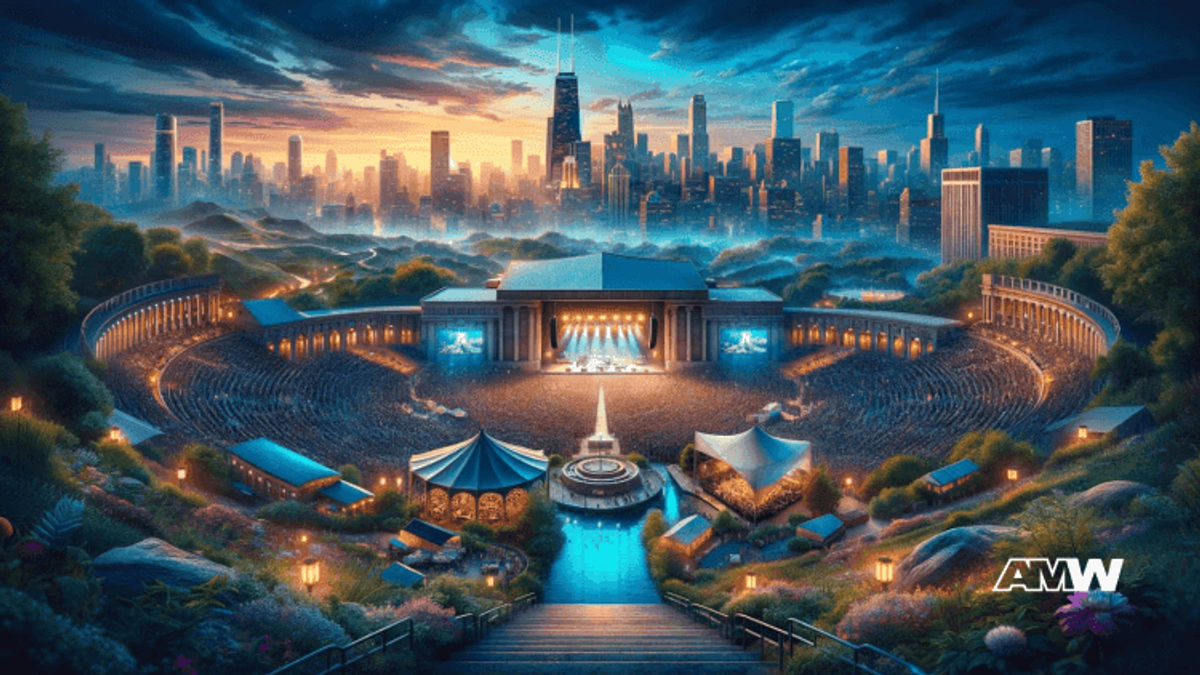
The selection of concert venues is required for tour success beyond capacity.
The decision-making process must encompass a holistic evaluation of potential venues, factoring in their geographical accessibility to ensure ease of attendance for your target audience. Moreover, a venue's technical infrastructure must align with your show's specific requirements, from sound and lighting capabilities to staging and set design needs, ensuring that the artistic vision of your performance is realized without compromise. The ambiance and character of each location are equally significant, as they contribute to the audience's immersive experience, reinforcing the thematic elements of your tour.
Aligning the choice of venues with the demographic profile and preferences of your target audience is a strategic endeavor that enhances engagement and maximizes attendance, thereby elevating the overall impact of your tour.
Logistics and Scheduling
The orchestration of logistics and scheduling represents a complex challenge, requiring meticulous attention to detail and strategic foresight.
Coordinating travel arrangements for personnel, securing and timely transport of equipment, and carefully planning the tour itinerary necessitate a comprehensive approach. It is imperative to allocate sufficient time between concerts to accommodate travel, ensure rest periods for the touring party, and allow for necessary rehearsals. This strategic spacing optimizes the performers' and crew's physical and mental well-being and enhances each performance's quality.
A well-considered schedule is instrumental in minimizing operational stress and maximizing the efficiency and effectiveness of the tour's execution.
Marketing and Promotion

The role of marketing and promotion in the success of a concert tour cannot be overstated.
Crafting an engaging and multifaceted marketing campaign is essential to captivate and inform your target audience about the upcoming tour. Leveraging the power of social media platforms alongside traditional email marketing techniques and media outlets offers a dynamic approach to generating excitement and anticipation. Personalizing marketing efforts to resonate with audiences' specific interests and cultural nuances in each location ensures a deeper level of engagement and connection.
This targeted approach not only amplifies the reach of your promotional efforts but also significantly enhances the potential for increased attendance, contributing to the overall success and impact of the tour.
Health and Safety
In concert tour management , the health and safety of crew members and attendees are the foremost priorities.
Comprehensive health and safety protocols are a moral imperative, covering emergency response plans, crowd management, and adherence to health guidelines. Ensuring compliance with local and international health regulations is fundamental to safeguarding the well-being of all involved.
This proactive approach to health and safety mitigates risk and instills a sense of security among participants, thereby enhancing the overall concert experience.
Teamwork Makes the Dream Work
The saying "Teamwork makes the dream work" is particularly relevant in the context of concert touring.
The success of a tour is the culmination of the efforts of an array of individuals, each contributing their unique skills and expertise. This collaborative endeavor spans from the visible roles of front-of-house staff and performers to the behind-the-scenes contributions of sound engineers, lighting technicians, and logistical support teams.
Cultivating a positive and supportive work environment is essential, as it fosters a sense of belonging and motivation. Valuing each team member's contributions boosts morale and drives excellence.
Stay Flexible
Flexibility and adaptability are indispensable qualities in concert touring.
Despite meticulous planning, unforeseen challenges and obstacles are inevitable. The capacity to navigate these uncertainties with agility and resilience distinguishes a proficient tour management team. Embracing change and viewing unforeseen circumstances as opportunities for innovation and growth can lead to discovering new efficiencies and enhancements to the tour experience.
This mindset encourages creative problem-solving and fosters an environment where continuous improvement is the norm.
Engage with Your Audience
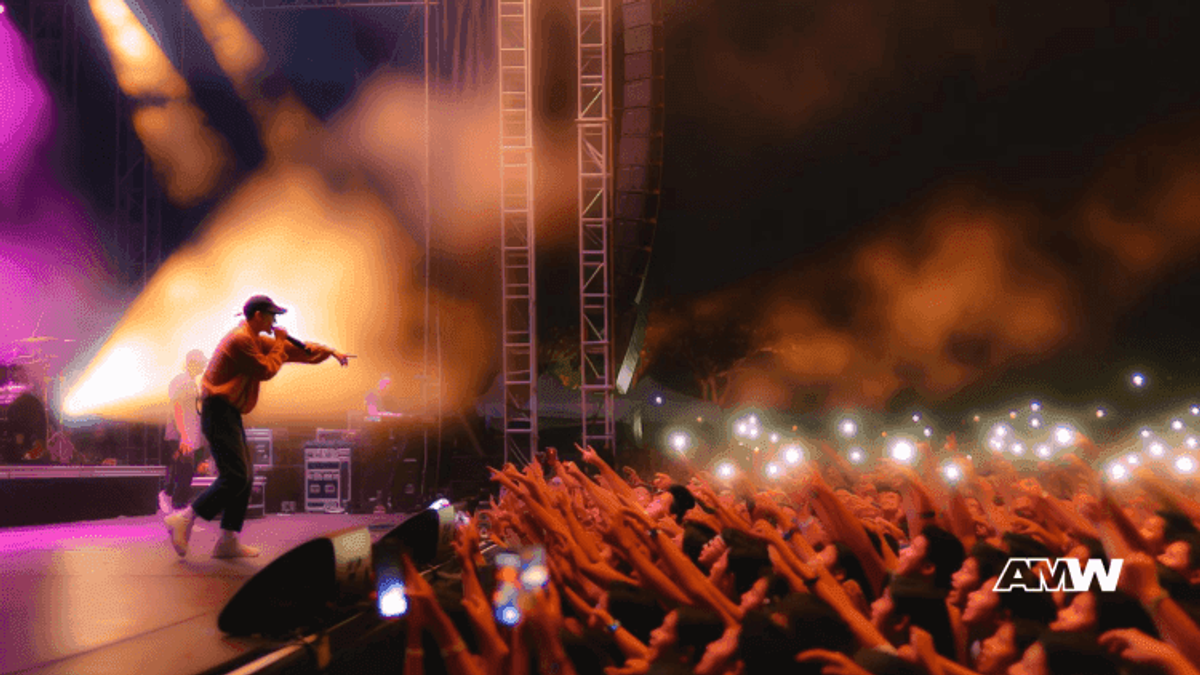
Engagement with the audience is the lifeblood of any concert tour.
Creating moments of interaction, whether through meet-and-greets, social media engagement, or other forms of direct communication, deepens the relationship between artists and their fans. This two-way dialogue enriches the fan experience and provides invaluable feedback, offering insights into audience preferences and expectations.
Being receptive to this feedback and willing to adapt performance elements accordingly can transform a good tour into an extraordinary and memorable journey for all involved.
In essence, the art of engagement is about building and nurturing a community, a collective experience that extends beyond the confines of the concert venue.
Frequently Asked Questions
How far in advance should I start planning a concert tour?
Planning a concert tour can take 6-24 months, depending on the scope. This leaves enough time to arrange logistics, book venues, and launch marketing campaigns.
What's the best way to handle unexpected challenges during the tour?
Stay calm, gather your team, and assess the situation. Communication is key. Look for creative solutions and be open to adjusting your plans as needed.
How can I maximize audience engagement during the tour?
Utilize social media to share behind-the-scenes content, interact with fans online, and consider adding interactive elements to your shows. Personal touches make a big difference.
How important is it to have a contingency fund?
This is extremely important. Unforeseen expenses are almost guaranteed, and a contingency fund ensures these surprises don't derail your tour.
Can I plan a successful tour on a limited budget?
Yes, with careful planning and creativity. Focus on cost-effective marketing strategies, consider smaller venues, and streamline your logistics to save money without compromising the quality of your tour.
Embarking on a concert tour is an exhilarating journey filled with challenges and rewards. With these essential planning tips, you're well on your way to creating an experience that resonates with audiences and leaves a lasting impact. Remember, the magic of a successful tour lies in the team's dedication, creativity, and hard work behind the scenes . Here's to your next successful concert tour—may it be your best yet!

Frequently Asked Questions
How much should I budget for my first concert tour?
Concert tour budgets vary significantly based on scale, but plan for major categories: venue costs (20-30%), travel and accommodation (15-25%), equipment and technical needs (20-30%), personnel expenses (15-20%), and marketing (10-15%). Always include a 10-20% contingency fund for unexpected costs. Small club tours might cost $10,000-50,000, while larger venue tours can exceed $100,000. Create detailed spreadsheets tracking every expense and research specific costs for your target markets and venues.
What are the most important factors when choosing concert venues?
Key venue selection factors include capacity matching your fanbase size, technical infrastructure supporting your show requirements, geographical accessibility for your target audience, and venue reputation. Evaluate sound and lighting capabilities, staging space, load-in facilities, and parking availability. Consider the venue's demographic alignment with your audience and local market strength. Factor in rental costs, technical fees, and revenue-sharing arrangements. Visit potential venues personally when possible to assess ambiance and operational logistics.
How far in advance should I start planning a concert tour?
Start planning 6-12 months in advance for optimal results. Major venue bookings often require 3-6 months lead time, while popular venues may need even longer. Allow 2-3 months for comprehensive marketing campaigns to build momentum. Equipment rental, crew hiring, and travel arrangements typically need 1-3 months advance booking for better rates and availability. International tours require additional time for visa processing, customs documentation, and international logistics coordination.
What crew members are essential for a successful concert tour?
Essential crew includes a tour manager for overall coordination, sound engineer for audio quality, lighting technician for visual elements, and stage manager for show flow. You'll also need security personnel, merchandise managers, and transportation coordinators. For larger tours, add production assistants, additional technical staff, and specialized roles like video engineers or pyrotechnic specialists. Budget for both core permanent crew and local day-hire staff at each venue to manage load-in, setup, and breakdown efficiently.
How do I create an effective marketing strategy for my concert tour?
Develop a multi-platform approach combining social media, email marketing, and traditional media. Start with early announcement posts, then build momentum with behind-the-scenes content, countdown campaigns, and venue-specific promotions. Partner with local radio stations, music blogs, and influencers in each market. Create engaging visual content including tour posters, video teasers, and interactive social media campaigns. Utilize targeted advertising on platforms where your audience is most active, and coordinate with venue marketing teams for cross-promotion.
What safety protocols should I implement during a concert tour?
Implement comprehensive safety protocols including emergency evacuation plans, crowd management procedures, and equipment safety checks. Ensure all venues meet fire safety codes and have adequate emergency exits. Establish clear communication systems between security, venue staff, and tour management. Create health and safety briefings for all crew members, maintain first aid supplies and trained personnel, and verify insurance coverage. Develop contingency plans for medical emergencies, severe weather, and security threats while complying with local regulations.
How do I handle unexpected problems during a concert tour?
Maintain flexibility by creating detailed contingency plans for common issues like equipment failure, weather delays, or venue changes. Establish clear communication channels among all team members and designate decision-makers for different scenarios. Keep emergency contacts readily available, maintain relationships with equipment rental companies in tour markets, and have backup venues identified when possible. Build buffer time into schedules for unexpected delays and maintain a positive, solution-focused mindset that views challenges as opportunities for creative problem-solving.
Related Resources
Calculators
Case Studies
Pricing Guides
Related Articles
Event Management Music: Tips and Strategies
Event management in music is a big part of the overall event-planning world. It's where live music meets strategy to create amazing experiences for audiences and artists. Remember, while this p

The Art of Music Promotion: How Business Marketing Strategies Can Elevate Your Music
In the modern music industry, the melody of success is not just about talent and creativity; it's can equally be about how well you market your music. The art of music promotion, with robust busin

What is Music PR?
Public Relations (PR) in the music industry, often called Music PR, plays a crucial role in shaping artists' careers and influencing how music is perceived and consumed globally. At its core, Musi