

How Music PR and Influencer Marketing Can Amplify Your Brand

The vibrant music industry often stands as a beacon of transformation and innovation.

Quick Summary
The article highlights how Music PR and Influencer Marketing are revolutionizing the music industry by fostering authentic connections between artists and audiences. It emphasizes crafting compelling narratives, enhancing media exposure, and building credibility, which leads to critical event opportunities. Integrating both strategies can create cohesive messaging and effective cross-promotion, ultimately deepening audience engagement. By choosing the right influencers and prioritizing consisten
Gone are the days when traditional marketing methods were the only avenues to success.
Today, we're witnessing a shift towards more dynamic, creative, and effective strategies.
Music PR ( Public Relations ) and Influencer Marketing are at the forefront of this exciting change, two pillars that have redefined how music brands shine and interact with their audience.
While this post offers some ideas, it’s important to conduct your own research to tailor any strategies or tips to your business needs.
Understanding Music PR
Music PR is about crafting a story that resonates.
It can be a strategic and artful way to build and nurture a positive public image for artists, bands, and music labels.
Music PR can encompass everything from nurturing media relations and distributing impactful press releases to organizing buzz-worthy events and adeptly handling crisis situations.
- Media Exposure: Imagine your music echoing through the pages of popular blogs, the airwaves of influential radio stations, and across the screens of numerous TV channels. A well-orchestrated Music PR campaign can do that. It can place your music in the spotlight, ensuring it's heard and seen in all the right places. This kind of exposure can be valuable, dramatically enhancing your brand's visibility and opening up opportunities.
- Credibility Building: Seeing your work featured in prestigious music publications or being praised by renowned critics is profoundly impactful. It's not just about the exposure; it's about the endorsement and validation of your art. This recognition can build a solid foundation of credibility for your brand, establishing you as a respected and influential figure in the music industry.
- Event Opportunities: Music PR can be your backstage pass to the world's most coveted stages. Music PR can pave the way for these opportunities, whether it's a local gig, a national tour, or an international music festival. Performing at high-profile events is a chance to showcase your talent, connect with audiences, and create unforgettable moments that resonate with fans.
The Power of Music PR
The true power of Music PR might be in its ability to create a narrative around the music that captivates and engages.
It's about telling a story in a way that's not just heard but felt. It's about turning listeners into fans and fans into ambassadors of the brand. Music PR is not just about managing perception; it's about inspiring connection.
With passion, creativity, and the right strategy, the music can reach new heights.
The Power of Influencer Marketing
In social media, influencer marketing can be a beacon for artists seeking to amplify the reach of their music.
This strategy can harness the power of social media influencers, individuals who have not only amassed large followings but have also cultivated a deep, engaged relationship with their audience.
- Targeted audience Reach: The beauty of collaborating with influencers lies in the precision with which the music can reach potential fans. Each influencer can nurture a unique, niche audience that resonates with their content and trusts their recommendations. By partnering with the right influencers, the music can become a natural part of this trusted circle, reaching listeners who are already inclined to appreciate the genre.
- Authentic Engagement: Their authentic connection with their followers often sets influencers apart in the marketing landscape. This isn't just about numbers but often real relationships built on trust and genuine engagement. When an influencer shares the music, it can come across as a heartfelt recommendation, not a corporate advertisement. This authenticity can breed trust, making their endorsements more impactful.
- Creative Collaborations: Many influencers are creators at heart, known for their ability to craft content that resonates and engages. When collaborating with a brand, they can bring this creativity, designing unique and compelling ways to showcase the music. This could range from an acoustic session in an Instagram story to a TikTok dance challenge featuring your latest track.
Integrating Music PR and Influencer Marketing
To truly maximize the potential of your music, it can be a good idea to blend the strengths of Music PR and Influencer Marketing. This integration can create a harmonious and powerful marketing symphony. Here's how you can orchestrate this:
- Unified Messaging: Consistency is important. Ensure that the narrative and branding in the PR campaigns and influencer collaborations sing the same tune. This unified messaging can reinforce the brand identity and make the music's story more compelling and memorable.
- Cross-Promotion: For instance, an influencer could mention a recent feature in a prestigious music magazine, adding credibility to their endorsement. Similarly, media coverage can be enriched with real-life stories from your influencer collaborations, adding a personal touch to your PR narratives.
- Strategic Timing: Timing can make or break a campaign. Consider coordinating releasing your PR materials and influencer promotions to create a wave of simultaneous exposure. This strategic timing can make the audience encounter the music across multiple platforms at once, creating a powerful and immersive brand experience.
One can create a dynamic approach to marketing your music by using both Influencer Marketing and Music PR. This integrated strategy can broaden the reach and deepen the connection with the audience.
Best Practices and Tips
Embarking on Music PR and Influencer Marketing can be like composing a symphony. To ensure that the efforts harmonize perfectly and the music resonates with the audience, here are some tips:
- Identify the Right Influencers: The key to a successful Influencer Marketing campaign is finding influencers who truly resonate with the brand. Look beyond the numbers; seek out influencers whose style, tone, and audience align with the musical identity. This alignment can ensure that their promotion of the music feels authentic and reaches an audience likely to become genuine fans.
- Creating Compelling Content: Content is essential to public relations and marketing strategies. Whether crafting a press release or collaborating on an influencer post, prioritize creating content that is eye-catching, informative, and relevant to the audience.
- Monitor and Analyze: In digital marketing , staying informed and adaptable is crucial. Regularly monitor the performance of your PR and influencer campaigns. Look at the metrics, understand what they tell about audience engagement , and use these insights to refine the strategies.
- Be Consistent: Consistency is vital in connecting your PR and marketing activities. Ensuring that the messaging remains consistent across all platforms and channels is essential. It's about maintaining a steady presence, keeping the message clear, and continuously engaging with your audience. Consistent efforts in branding , messaging, and content creation can help build a strong, recognizable, and reliable brand presence.
Conclusion
Music PR and Influencer Marketing can amplify a brand's impact.
With a strategic approach, one can capture the audience's attention and create a lasting impression.
Remember, in music and marketing, it's not solely about being heard, it can also be about crafting a legacy, creating a narrative that resonates, and, ultimately, being remembered.
Measuring ROI and Success Metrics for Music Marketing Campaigns
Understanding the effectiveness of your Music PR and Influencer Marketing efforts requires a comprehensive approach to analytics and measurement. Unlike traditional marketing where conversions are straightforward, music marketing success manifests through various touchpoints including streaming numbers, social media engagement, ticket sales, merchandise purchases, and brand sentiment. Key performance indicators should include reach and impressions, engagement rates across platforms, earned media value from PR coverage, streaming platform analytics, and most importantly, the growth in your core fanbase over time.
To accurately track campaign success, implement UTM codes for all digital content, monitor hashtag performance and user-generated content, and use platform-specific analytics tools like Spotify for Artists, Apple Music Analytics, and YouTube Studio. Additionally, conduct sentiment analysis of media coverage and social media mentions to gauge public perception shifts. Set baseline metrics before launching campaigns and establish realistic timeframes for measurement, as music marketing often shows compound effects over months rather than immediate results.
Consider implementing a attribution model that accounts for the unique customer journey in music discovery. Fan acquisition often involves multiple touchpoints - perhaps they first hear about you through an influencer, then see a press feature, and finally convert to a streaming listener or concert ticket buyer. Use tools like Google Analytics 4 with enhanced ecommerce tracking for merchandise sales, social listening tools for brand mention analysis, and create custom dashboards that combine data from streaming platforms, social media, and traditional media coverage to get a holistic view of campaign performance.
Budget Allocation and Cost-Effective Strategies
Successful music marketing campaigns require strategic budget allocation between PR and influencer marketing efforts, with the optimal split often depending on your current career stage and target audience demographics. Emerging artists might allocate 60-70% of their budget to influencer marketing for immediate reach and engagement, while established artists might invest more heavily in PR for long-term credibility building. A typical breakdown might include 30-40% for influencer partnerships, 25-35% for PR agency fees or media outreach, 15-20% for content creation and assets, and 10-15% for paid promotion amplification.
Cost-effective strategies include leveraging micro-influencers (1,000-100,000 followers) who often provide better engagement rates and lower costs than macro-influencers. Consider offering value exchanges such as exclusive content, early access to releases, or concert tickets instead of monetary compensation. For PR efforts, focus on building relationships with music journalists and bloggers by providing consistent value through exclusive interviews, behind-the-scenes content, or expert commentary on industry trends. This relationship-building approach often yields better long-term results than one-off press release distributions.
Maximize budget efficiency by repurposing content across multiple channels and campaigns. A single professional music video can serve PR purposes, provide content for influencer collaborations, fuel social media campaigns, and support streaming platform promotion. Create evergreen content pieces like artist documentaries or acoustic session videos that continue generating value long after initial publication. Additionally, consider collaborative partnerships with other artists to share marketing costs and cross-pollinate audiences, effectively doubling your reach while halving individual expenses.
Common Pitfalls and How to Avoid Them
One of the most critical mistakes in music marketing is the spray-and-pray approach - reaching out to every influencer and media outlet without strategic targeting. This shotgun method not only wastes resources but can also damage your brand's reputation when irrelevant partnerships feel forced or inauthentic. Another common pitfall is neglecting to provide influencers and media contacts with high-quality, easily accessible assets. Poor audio quality, low-resolution images, or missing metadata can immediately signal unprofessionalism and result in missed opportunities.
Timing mishaps can derail even well-planned campaigns. Avoid releasing PR materials on Fridays when news cycles slow down, or launching influencer campaigns during major industry events when attention is divided. Many artists also make the mistake of pursuing vanity metrics over meaningful engagement - choosing influencers solely based on follower count rather than audience alignment and engagement quality. This approach often results in hollow campaigns that generate awareness without building lasting fan connections.
Legal and compliance oversights represent another significant risk area. Ensure all influencer partnerships clearly disclose paid relationships using proper FTC guidelines and platform-specific requirements like #ad or #sponsored hashtags. Establish clear usage rights for any content created, including duration of use, platform limitations, and modification permissions. Additionally, avoid over-promising or creating unrealistic expectations about campaign outcomes. Set clear, measurable goals upfront and maintain transparent communication with all partners about what success looks like for your specific situation and resources.

Frequently Asked Questions
What is music PR and how does it differ from traditional marketing?
Music PR (Public Relations) is a strategic approach to building and nurturing a positive public image for artists, bands, and music labels. Unlike traditional marketing, music PR focuses on crafting compelling narratives that resonate with audiences, securing media coverage in blogs and radio stations, building credibility through industry endorsements, and creating authentic connections. It emphasizes storytelling and relationship-building rather than direct sales, turning listeners into fans and fans into brand ambassadors through genuine engagement and industry validation.
How can influencer marketing help musicians reach their target audience?
Influencer marketing helps musicians achieve targeted audience reach by partnering with social media influencers who have cultivated niche, engaged followings. Each influencer maintains a unique audience that trusts their recommendations, allowing music to naturally integrate into these trusted circles. This strategy provides authentic engagement through genuine relationships rather than corporate advertising, plus creative collaborations like Instagram acoustic sessions or TikTok dance challenges that showcase music in compelling, organic ways that resonate with specific demographics.
What are the best practices for integrating music PR and influencer marketing?
Successful integration requires three key strategies: unified messaging to ensure PR campaigns and influencer collaborations maintain consistent branding and narratives; cross-promotion where influencers reference media coverage for added credibility while PR materials include personal influencer stories; and strategic timing to coordinate releases and promotions for simultaneous exposure across multiple platforms. This creates a powerful, immersive brand experience that broadens reach while deepening audience connections through cohesive, multi-channel marketing efforts.
How do you choose the right influencers for music marketing campaigns?
Choose influencers based on alignment rather than follower count alone. Look for creators whose style, tone, and audience demographics match your musical identity and target market. Evaluate their engagement rates, content quality, and audience authenticity. Consider genre-specific influencers who genuinely appreciate your music style, as their endorsements will feel more natural. Review their previous brand collaborations to ensure their promotional approach aligns with your brand values and marketing goals for maximum campaign effectiveness.
What types of media coverage can music PR help artists achieve?
Music PR can secure diverse media exposure including features in popular music blogs, airplay on influential radio stations, coverage on TV channels, and reviews in prestigious music publications. PR professionals also facilitate interviews with renowned critics, coverage of live performances and events, podcast appearances, and online streaming platform features. This multi-channel approach builds credibility through industry validation while dramatically enhancing brand visibility and opening doors to performance opportunities at festivals and high-profile venues.
How should musicians measure the success of their PR and influencer marketing campaigns?
Monitor key metrics including media mentions, social media engagement rates, streaming numbers, follower growth, and website traffic. Track reach and impressions from influencer posts, measure conversion rates from campaigns to actual music streams or purchases, and analyze audience sentiment through comments and shares. Use analytics tools to assess which influencers and PR efforts drive the most meaningful engagement. Regular monitoring allows for strategy refinement and helps identify the most effective partnerships and messaging approaches for future campaigns.
What role does storytelling play in effective music PR campaigns?
Storytelling is fundamental to music PR success, as it crafts compelling narratives that audiences connect with emotionally rather than just hearing about the music. Effective storytelling transforms artists from unknown names into relatable personalities with authentic backgrounds, struggles, and achievements. This narrative approach helps media outlets understand why the story matters to their audience, increases the likelihood of coverage, and creates memorable brand experiences that turn casual listeners into dedicated fans and brand ambassadors.
Related Resources
Calculators
Case Studies
Pricing Guides
Related Articles
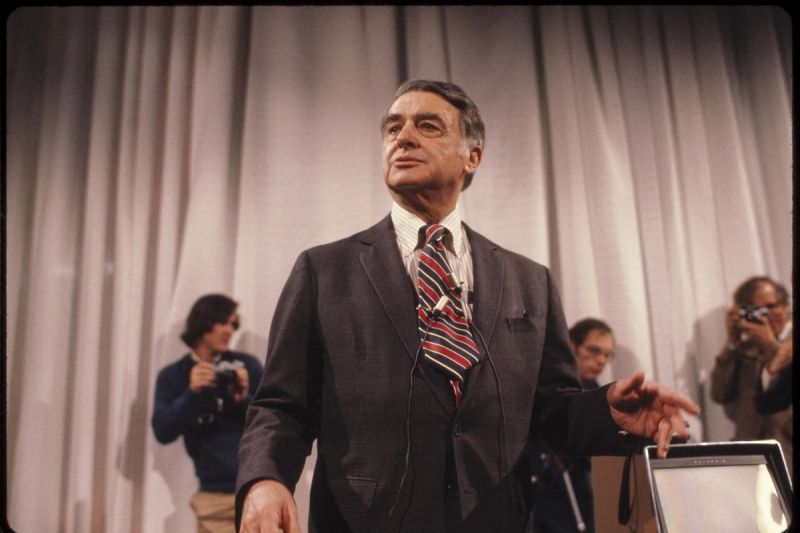
The Story of Polaroid: Edwin Land and the Instant Photo
A child's question in Santa Fe in 1943 became the SX-70, the Giant Polaroid and one of America's most admired brands. Then came Kodak, the phone and a factory set for demolition.

Nano Banana 2.1 Review: Spelling Right, Details Slip
We gave Google's Nano Banana 2.1 a bakery chalkboard sign and a candle product shot. It spelled every price correctly, then slipped on smaller details worth checking.
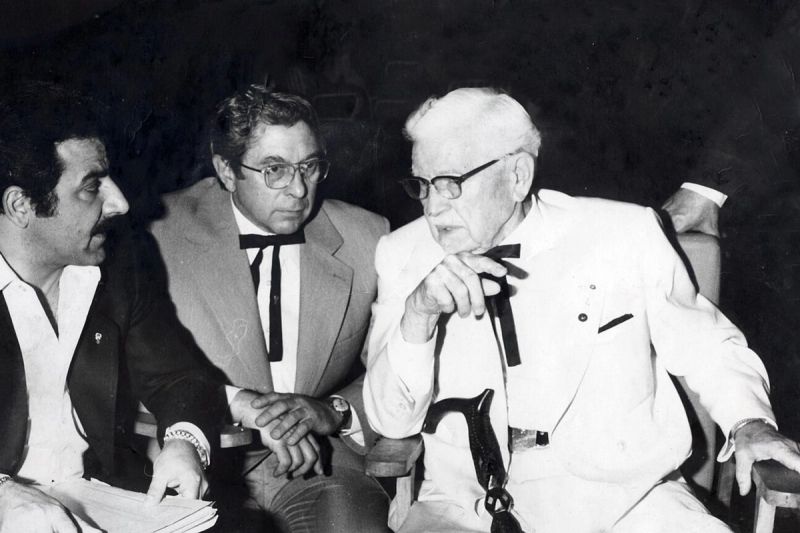
How Colonel Sanders Franchised a Recipe Before Fast Food
In 1952 Harland Sanders licensed his fried chicken to a Utah restaurant for four cents a bird. Here's how the deal worked and what service firms packaging their know-how can learn from it.