
Event Planner vs Event Coordinator: Understanding the Key Differences (2025)

The distinction between an event planner and an event coordinator often confuses those new to the events industry. While the titles are sometimes used interchangeably, they represent fundamentally different roles with distinct responsibilities, skill sets, and scopes of work.
Understanding these differences is essential whether you are hiring for an event, building a career in the industry, or evaluating what type of professional support your organization needs. This comprehensive guide clarifies the roles and helps you determine which professional best fits your requirements.
What is an Event Planner?

An event planner is a creative and strategic professional responsible for conceptualizing, designing, and organizing events from initial concept through completion. They work on the big picture—developing themes, selecting venues, building vendor relationships, managing budgets, and ensuring every element aligns with the client's vision and objectives.
Event planners typically engage with clients months or even years before an event takes place. Their work begins with understanding goals and constraints, then translating those into actionable plans. They might design a corporate conference to reinforce brand messaging, create a wedding that reflects a couple's personality, or develop a product launch that generates maximum media impact.
The planner's role extends far beyond logistics. They function as creative directors, brand strategists, and project managers simultaneously. Their value lies in transforming abstract ideas into cohesive event experiences that achieve specific objectives—whether those involve building brand awareness, celebrating milestones, or driving business outcomes.
What is an Event Coordinator?

An event coordinator focuses on the execution and operational aspects of events. They ensure that planned elements come together seamlessly on the day of the event and during the immediate preparation period. Coordinators manage timelines, supervise vendors, troubleshoot issues, and keep everything running according to schedule.
Where planners work primarily in the conceptual and preparatory phases, coordinators excel in the execution phase. They are typically brought in weeks before an event to review existing plans, coordinate final details with vendors, and manage on-site operations. Their expertise lies in logistics, problem-solving, and maintaining composure under pressure.
Many successful events employ both roles—a planner who designs and organizes the event over months of preparation, and a coordinator who ensures flawless execution in the final weeks and on the event day itself. This division allows each professional to focus on their core competencies.
Key Differences Between Event Planners and Coordinators
Scope of Responsibility

Event planners handle the entire event lifecycle. They work with clients to establish objectives, develop concepts, create budgets, source venues and vendors, design experiences, and oversee all aspects of preparation. Their involvement might span six months to two years depending on event complexity.
- Developing event concepts and themes
- Creating and managing comprehensive budgets
- Venue selection and contract negotiation
- Building and managing vendor relationships
- Designing event flow and guest experience
- Marketing and promotion strategy
- Sponsorship development and management
- Post-event analysis and reporting
Event coordinators focus on execution excellence. They review existing plans, confirm vendor arrangements, create detailed timelines, manage setup and breakdown, and ensure everything proceeds according to schedule on event day. Their engagement typically spans four to eight weeks before the event.
- Reviewing and implementing existing plans
- Creating detailed day-of timelines
- Confirming vendor logistics and requirements
- Managing event setup and breakdown
- Troubleshooting issues in real-time
- Supervising staff and volunteers
- Ensuring schedule adherence
- Handling on-site emergencies
Creative vs. Operational Focus
Planners invest significant energy in creative development. They research trends, curate design elements, and craft experiences that resonate with target audiences. Their work requires imagination, aesthetic sensibility, and strategic thinking about how events achieve broader goals.
Coordinators prioritize operational excellence. They excel at managing complex logistics, maintaining detailed checklists, and keeping multiple vendors aligned. Their strength lies in organizational skills, attention to detail, and the ability to remain calm while solving problems under pressure.
Client Relationship Timeline
Event planners build long-term client relationships that span the entire planning process. They become trusted advisors who understand client preferences, organizational culture, and strategic objectives. This relationship allows them to make decisions aligned with client values even when clients cannot be consulted directly.
Coordinators often work with clients for shorter periods, though they may establish ongoing relationships with organizations that host regular events. Their client interactions focus on understanding specific event requirements and ensuring all stakeholders are aligned on execution details.
When to Hire an Event Planner
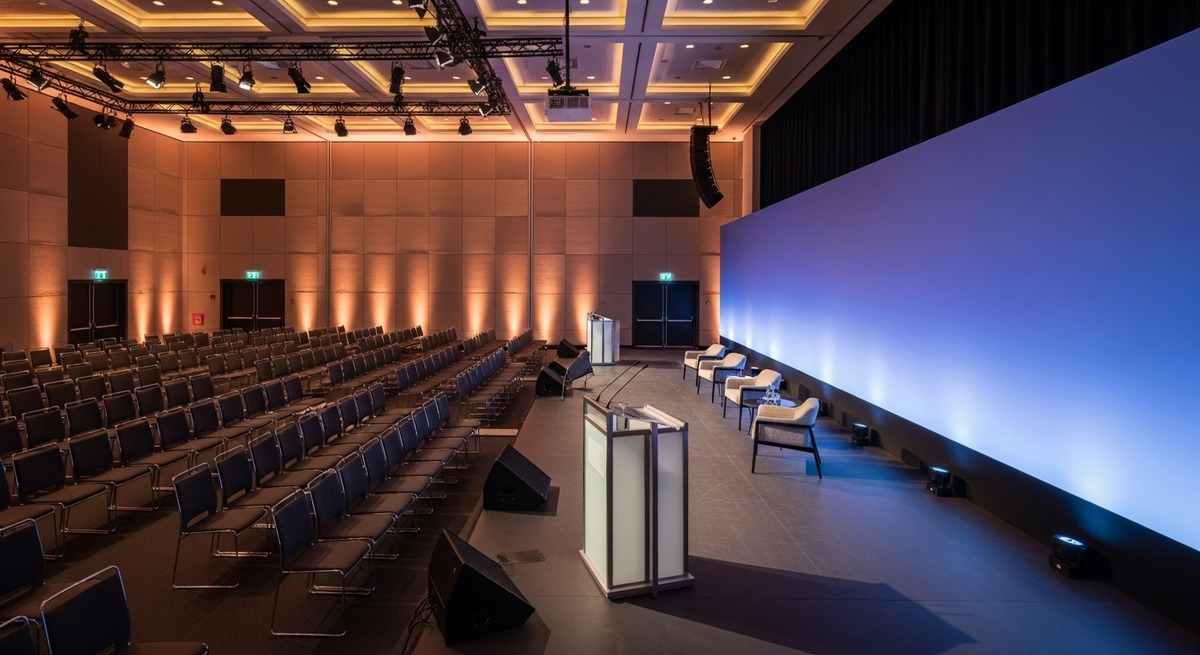
Event planners are essential when you need comprehensive support from concept through completion. They add the most value when creative vision, strategic planning, and vendor management require professional expertise.
- You are organizing a large-scale event requiring extensive planning
- The event requires creative concept development
- Budget management and vendor negotiation are priorities
- You lack internal resources for comprehensive planning
- The event is high-stakes with significant business implications
- Multiple stakeholders with different needs must be coordinated
Explore our event management services and get a custom quote →
When to Hire an Event Coordinator
Event coordinators are ideal when plans are already developed and you need professional execution support. They ensure that existing plans translate into seamless experiences.
- Plans are complete but execution support is needed
- You want a professional managing day-of operations
- The event is relatively straightforward with established formats
- Budget constraints limit comprehensive planning services
- You have internal planning capabilities but need execution help
- Multiple events follow similar formats requiring consistent execution
Learn more about event coordination costs and what to expect →
Understanding the Cost Differences
Investment levels differ significantly between planners and coordinators, reflecting their respective scopes of work and time commitments.
Event planners typically charge fees ranging from 15% to 20% of total event budget, or flat fees starting around $5,000 for smaller events and reaching $50,000 or more for large-scale productions. Their fees reflect months of work including design, planning, vendor management, and comprehensive oversight.
Event coordinators generally charge lower fees, often between $1,500 and $5,000 for day-of coordination, or $3,000 to $10,000 for extended coordination packages that include weeks of pre-event preparation. These fees reflect their more focused scope and shorter engagement period.
When evaluating costs, consider what each professional delivers. A planner's higher fee includes creative services, vendor relationships, and comprehensive project management. A coordinator's fee covers expert execution of existing plans. Both represent valuable investments when matched to appropriate needs.
Making the Right Choice for Your Event

Choosing between an event planner and coordinator depends on several factors: event complexity, available internal resources, budget, and timeline. Many successful events engage both roles at different phases.
For complex events requiring creative development and comprehensive planning, start with a planner. For events with established formats or completed plans, a coordinator ensures flawless execution. Many organizations find that planners bring more value for unique, high-stakes events, while coordinators excel at executing recurring events with consistent formats.
Consider also whether you might benefit from a hybrid approach. Full-service event management firms often provide both planning and coordination capabilities, allowing seamless handoffs and consistent quality throughout the entire process.
Next Steps
Whether you need the creative vision of an event planner or the execution expertise of a coordinator, professional support significantly increases your chances of event success. Take time to evaluate your specific needs, interview candidates, and select professionals whose experience aligns with your objectives.
Ready to discuss your event needs? Get a customized quote from our team →
The investment in professional event support—whether planning, coordination, or both—typically pays dividends through stress reduction, quality improvement, and better outcomes. The key is matching your specific situation with the right type of expertise.

Jason Levine is a content writer at AMW®, covering topics in marketing, entertainment, and brand strategy.
Related Articles

Behind Tomorrowland’s Rise to a Multi-Million Euro Cultural Movement
When Tomorrowland Belgium sells out 400,000 tickets across two weekends in less than an hour each year, it's not merely luck or lineup strength driving those numbers. The festival has engineered one o

Philips Bodygroom as a Case Study in Bold Marketing and Consumer Insight
The men's grooming industry has undergone a dramatic transformation over the past two decades, moving from basic necessities to comprehensive personal care routines. Within this evolution, few brands

Inside the Timeless Appeal of America’s Favorite Oat Circles - Cheerios
When General Mills introduced Cheerios to American breakfast tables in 1941, no one could have predicted that these simple whole grain oats circles would become one of the most recognizable brands in