

Howard Schultz and the Starbucks Third Place Strategy

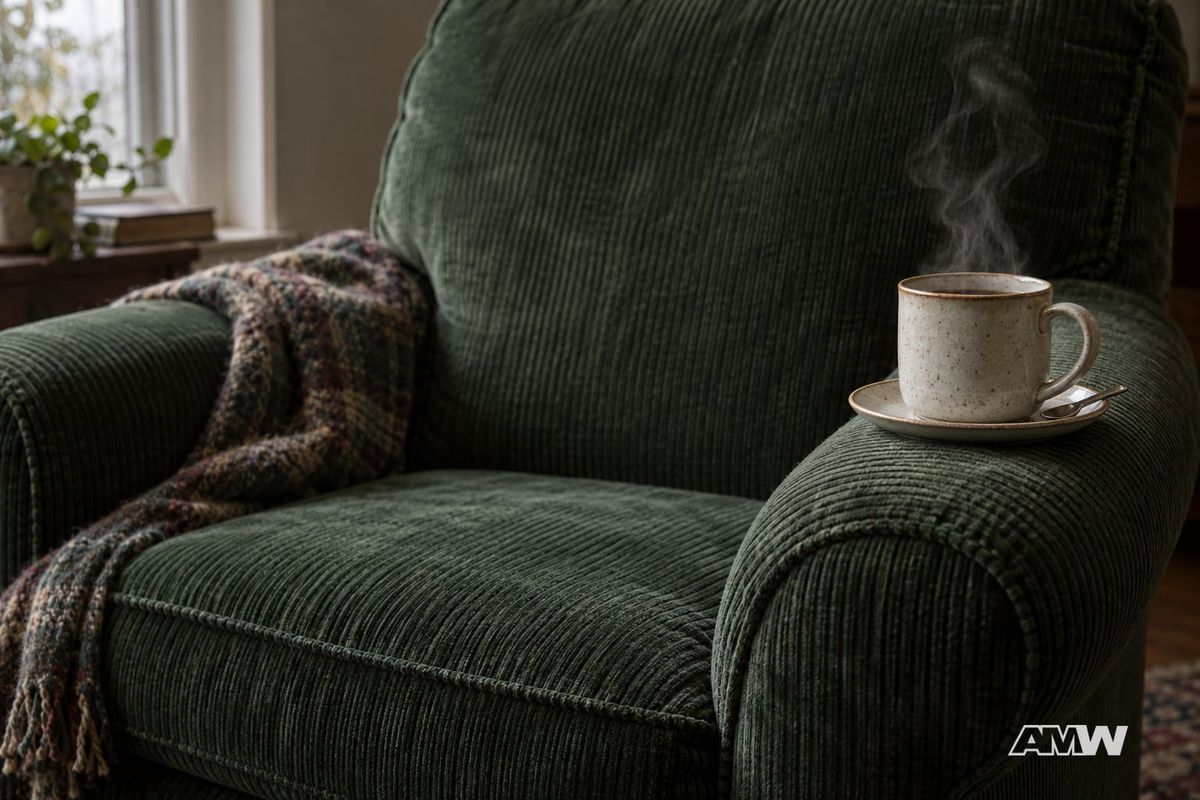
In 1983, Howard Schultz went to Milan on a buying trip for Starbucks and came home convinced the company should sell coffee by the cup1. Starbucks then sold whole beans, loose tea and spices from a few Seattle shops. Schultz was 29 and had joined the year before as director of retail operations and marketing1. In Italy he saw espresso bars that gave people a reason to stay somewhere. Over the next fifteen years that idea, later called the "third place" between home and work, turned Starbucks into a chain where people sat for hours in plush purple armchairs2.
Quick Summary
Howard Schultz turned coffee into a third place by rebuilding Starbucks after a 1983 trip to Milan, turning a bean retailer into cafés where people stayed for hours between home and work. That room has mostly emptied: by 2024, 70% of Starbucks orders came through mobile and drive-thru. For service businesses, the lesson is to rebuild the feeling of being known inside the screens where client relationships now run.
Those rooms are much emptier now. By 2024, 70% of Starbucks orders came through mobile ordering and the drive-thru2, and the company has spent the time since trying to win back some of what it gave up. The rise and fade of the third place is a clear record of a shift many service businesses are going through right now. The customer relationship is moving out of a shared room and onto a screen, and some things get lost along the way.
What Schultz Saw in Milan in 1983
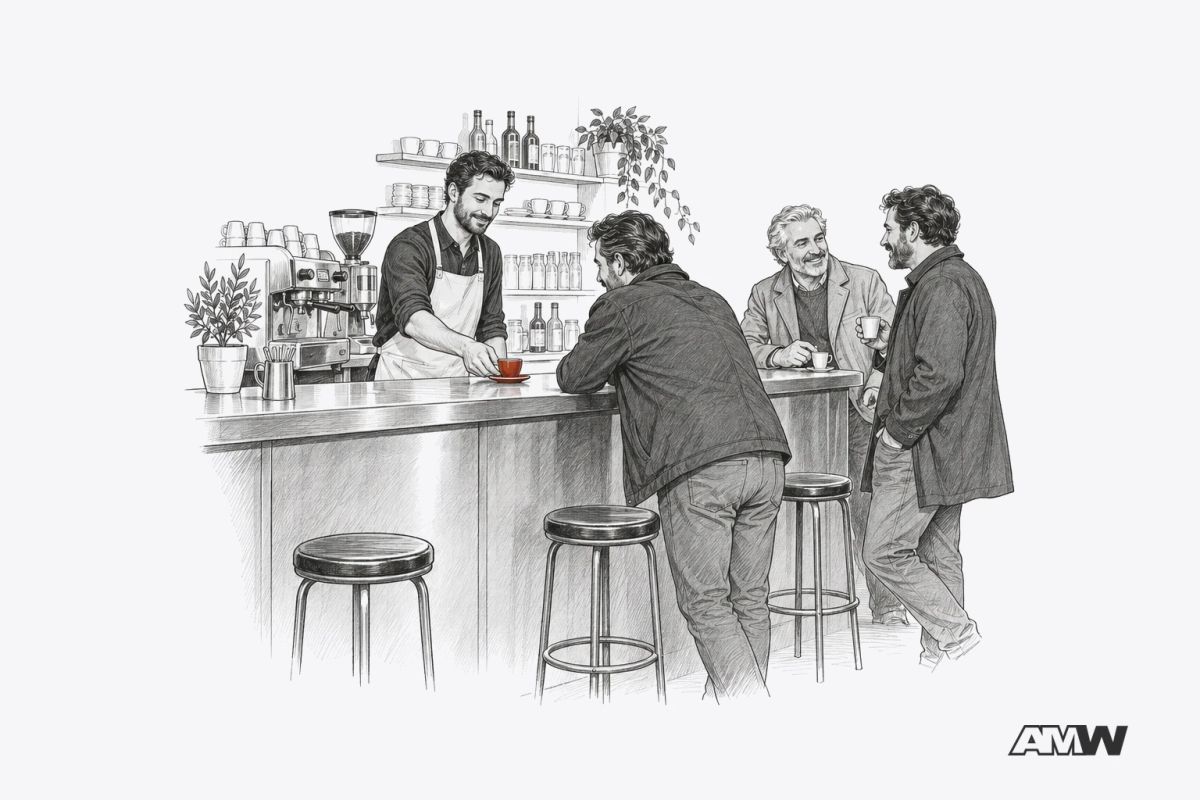
In Milan, Schultz saw espresso bars working as neighborhood meeting points. The drink was the excuse, and the regulars and the barista who knew them were the draw. In his 1997 memoir, Pour Your Heart Into It, he described baristas who greeted customers by name and made each drink in front of them. He also described standing-room bars where the same faces turned up every morning.
That was new for the company. The Starbucks Schultz joined was built on teaching people about coffee. Its founders made their name by explaining why origin, roasting, freshness and brewing method mattered. In that sense they were closer to an old wine merchant than to a diner3. Customers came in, learned something and left with a bag of beans. What Schultz brought back was the idea that the teaching could happen over a cup, in a room, every day. People who came for the coffee might stay because they liked being there.
When he got home, he started pressing owners Jerry Baldwin and Gordon Bowker to serve espresso drinks alongside the beans, tea and spices1.
Why Starbucks' Owners Said No to the Café
Baldwin and Bowker let Schultz run a small café pilot, and it did well. They still declined to roll it out1. Their reasons were practical. Espresso machines were expensive, and few people in the US knew how to repair them1. Running cafés was also a different business from selling beans.
That last point is easy to skip in the founding story, but it shaped everything after. A bean shop needs shelf space and a few knowledgeable clerks. A café needs seating, longer hours, more staff, equipment that breaks, and a lease big enough for people to sit down. The owners were looking at a heavier business with thinner room for error, and from where they stood their caution made sense.
So Schultz left. He opened his own espresso bar, Il Giornale, in Seattle in 1986. In 1987, with backing from local investors, he bought the Starbucks name and its retail stores, reportedly for about $3.8 million. From then on the café was the company.
Where the Phrase "Third Place" Came From
The term came from Ray Oldenburg, a sociologist whose 1989 book The Great Good Place argued that people need a regular gathering spot that is neither home (the first place) nor work (the second). He was writing about pubs, barbershops, diners and corner cafés, mostly small and local. Schultz later used Oldenburg's phrase to describe what he wanted Starbucks stores to be. The label came after the idea, and it gave the company a clear way to explain what it was building.
Oldenburg described third places as neutral ground where nobody has to play host, where social rank matters less than at work, where conversation is the main activity, where regulars set the tone, and where the mood feels like a home away from home.
Here is how those traits showed up in the stores, and what each one cost to provide:
| Oldenburg's trait | How Starbucks stores approached it | What it cost the business |
|---|---|---|
| Neutral ground, no invitation needed | Anyone could walk in and stay | Seats held by people who might buy one drink in three hours |
| Regulars set the tone | Baristas learning orders, names written on cups | Staff time, and low turnover so faces stayed familiar |
| Conversation as the main activity | Tables and soft chairs for groups and for people alone | Floor space that earned nothing while sat in |
| A home away from home | Armchairs, music, warm lighting2 | Bigger leases and more furniture per store |
There is a fair critique built into the table. Oldenburg's third places grew up on their own, owned by people who lived nearby. A chain building thousands of them on purpose is a different thing, and some of his readers have argued that a branded copy loses the part that mattered. The stores still filled up, so the format was clearly working for many customers either way.
How Did a Room Get People to Pay More for Coffee?
The room did the teaching and the selling at once. Starbucks had built its value on explaining coffee3, and the café gave that explanation somewhere to happen daily. Customers also came to see the price as covering a seat, a clean restroom and an hour of quiet, not just the drink.
Recognition helped too. A barista who remembers your order is small, but it makes switching to the place across the street feel like a loss. Regulars also make a room feel safe and worth coming back to for new customers, which is the same pattern Oldenburg described. Every store became a little advertisement for the next one. That habit helped the chain open stores close together without them draining each other, a growth pattern traced in How Starbucks Market Dominance Strategy Conquered the Global Coffee Industry .
For anyone thinking about customer experience design in a service business, the useful part is the cost structure. The armchair was paid for by the people who bought something, so the format worked only while enough of them kept coming in and staying.
By 2024, 70% of Orders Skipped the Room
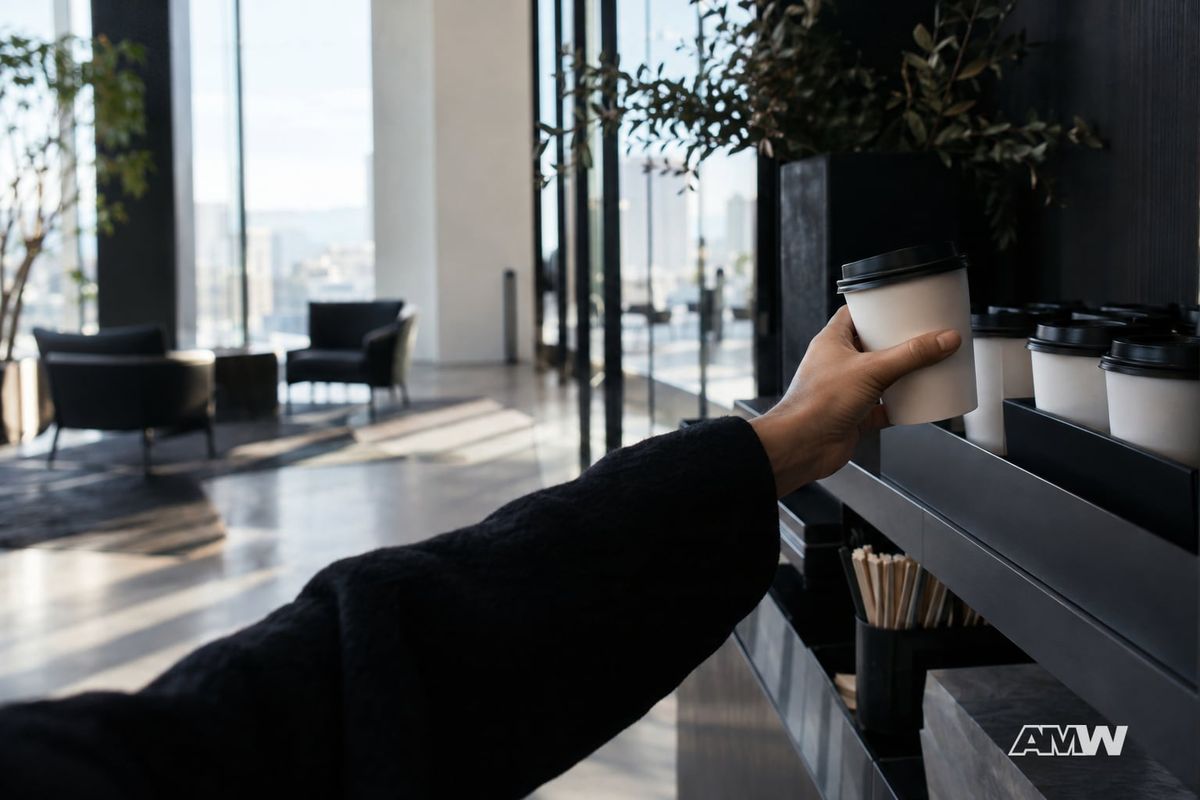
By mid-2024, mobile and drive-thru orders made up 70% of Starbucks' business, and at many locations you were lucky to find anyone sitting down2. The room built to keep people around had become, in CNN's phrase, a takeout counter2.
The reasons are easy to follow. Ordering ahead is faster, the app remembers your usual, and the pandemic years got millions of people used to grabbing a drink and leaving. Each change made sense alone. Together they changed how the store worked:
- Baristas make drinks for names on a screen, often for people they never meet.
- Walk-in customers wait behind a queue of app orders they can't see, so a quick stop feels slow.
- Pickup shelves and drive-thru lanes take space and staff that used to go to the seating area.
The recognition that made the third place work didn't disappear. It moved. The barista used to know your order, and now the app does. It stores your preferences, your rewards and your usual store, and it is much better at remembering than any one employee. What it can't do is notice that you look tired, or chat for thirty seconds while the milk steams. Many customers seem happy with that trade. For the brand, though, the warmth people tied to the name was being made somewhere it no longer happened often.
What Starbucks Has Tried Since Brian Niccol Took Over
After Brian Niccol became CEO in September 2024, Starbucks started trying to rebuild part of the café experience on top of a mostly takeout business. Under a plan the company called "Back to Starbucks," it was widely reported to have brought back ceramic mugs for customers staying in, restored self-serve condiment bars and asked baristas to write short notes on cups again.
The most telling change ran the other way. In January 2025, Starbucks began requiring people to buy something to stay in its stores or use its restrooms. That reversed an open-door policy adopted in 2018, after two Black men were arrested while waiting in a Philadelphia store. The episode shows the side of the third place the founding story tends to leave out. An open room costs money, and someone has to decide who it is for.
Public evidence on whether the changes have brought people back to the chairs is thin so far. It's also possible that for a large share of customers, the app already gives them what they want. A coffee company can serve both groups, but it probably can't return to the 1998 version of the store.
What the Shift Means for Service Businesses
Most service firms have gone through their own version of the same move. Client relationships that used to run through office visits and lunches now run through email, video calls and shared documents. The things that kept clients loyal, like being known, seen and remembered, now have to be rebuilt inside those channels on purpose.
Starbucks' experience points to a few things worth looking at in your own business:
Where does the knowing live?
When a barista knew your order, that knowledge lived in their head, and it left when they changed shifts or jobs. The app solved this by writing it down. In a service firm, a client relationship held in one account manager's memory leaves with that person. Teams that keep client history in one place find that a new hire can pick up an account without the client having to start over.
What does the client do while they wait?
The walk-in customer stuck behind invisible app orders has a close match in a client who emails twice to ask where their project stands. Long waits wear on people, and it's worse when they can't see what's happening. A client portal helps when it answers that question before the client has to ask. With AMW ClientHub, for example, a client can open one page, see how far along their project is and pick up the conversation from the last message your team sent.
A useful question for any service business: when a client wants to check on their work with you, where do they go first, and does anything there show that someone remembers who they are?
What still needs a person?
Software turned out to be better than baristas at remembering orders. It was worse at noticing a regular having a bad week. The same split holds for service work. Tools can hold the record, send the update and flag that a client has gone quiet. Reading what that silence means, or knowing when a call would land better than a message, still takes someone who knows the client. Firms that use software to free up time for those calls tend to keep the warmth the move to screens can wear away. That matters for customer retention more than speed alone.
This isn't worth doing for every business. If your customers buy once and rarely come back, building somewhere for them to return to costs more than it earns, much as Baldwin and Bowker suspected about cafés. The approach pays off where relationships run for months or years, and where a client who feels known is less likely to start shopping around.
If your client relationships now run mostly through screens, a good next step is to list every place a client goes to check on their work with you and ask how many of them would feel familiar to a regular.
Sources
- 1
- 2
- 3
- 4
- 5

Valencia Jackson is a Communications Director at AMW, where she develops creative strategy and brand positioning for clients ranging from emerging brands to Fortune 500 companies.
Frequently Asked Questions
Did Howard Schultz invent the term "third place"?
No. Sociologist Ray Oldenburg popularized it in his 1989 book The Great Good Place, describing informal gathering spots that are neither home nor work. Schultz later used the phrase to describe what he wanted Starbucks stores to be.
Why did Starbucks' original owners resist turning stores into cafés?
After a successful café pilot, Jerry Baldwin and Gordon Bowker still declined to expand it. They pointed to the high cost of espresso machines and the shortage of technicians in the US who could repair them1. They also preferred to stay a specialist bean retailer.
How did Schultz end up owning Starbucks?
He left to open his own espresso bar, Il Giornale, in Seattle in 1986. In 1987, with backing from investors, he bought the Starbucks name and retail stores, reportedly for about $3.8 million, and rebuilt the company around the café.
What share of Starbucks orders are mobile or drive-thru?
CNN reported in July 2024 that 70% of Starbucks orders were mobile and drive-thru, and that at many locations few customers were sitting down at all2.
Has Starbucks tried to bring the third place back?
Under CEO Brian Niccol, who took over in September 2024, the company's "Back to Starbucks" plan reportedly brought back ceramic mugs for dine-in customers, condiment bars and handwritten notes on cups. In January 2025 it also began requiring a purchase to stay in stores.
Why did the Starbucks third place work financially?
The café let Starbucks keep doing what it had always done, teaching customers why coffee quality mattered3, every day and in person. Customers came to see the price as covering a seat and time in the room as well as the drink. The format depended on enough paying customers coming in to cover the extra space and staff.
Does the third place idea apply to service businesses?
It applies best where client relationships run for months or years. Most service firms now hold those relationships in email, calls and shared documents, so the sense of being known has to be rebuilt there. For one-off transactions, building somewhere for clients to return to usually costs more than it earns.
Related Resources
Related Articles
How Phil Knight Sold Shoes From a Car Trunk to Build Nike
In 1964 Phil Knight sold Onitsuka Tigers from his car at Pacific Northwest track meets. Here is what that trunk did for Nike, and which parts still apply now that outreach is cheap.
TechCrunch Disrupt 2026: A Plan If You're Not Raising
Going to TechCrunch Disrupt 2026 without a pitch deck? Use this working plan to turn one week in San Francisco into customers, partners, hires and market intel.
How a Failed Snowboard Shop Led to Shopify
Shopify began as the software behind Snowdevil, an Ottawa snowboard shop that didn't last. What happened, why the software outgrew the store, and what operators can take from it.