

How Phil Knight Sold Shoes From a Car Trunk to Build Nike

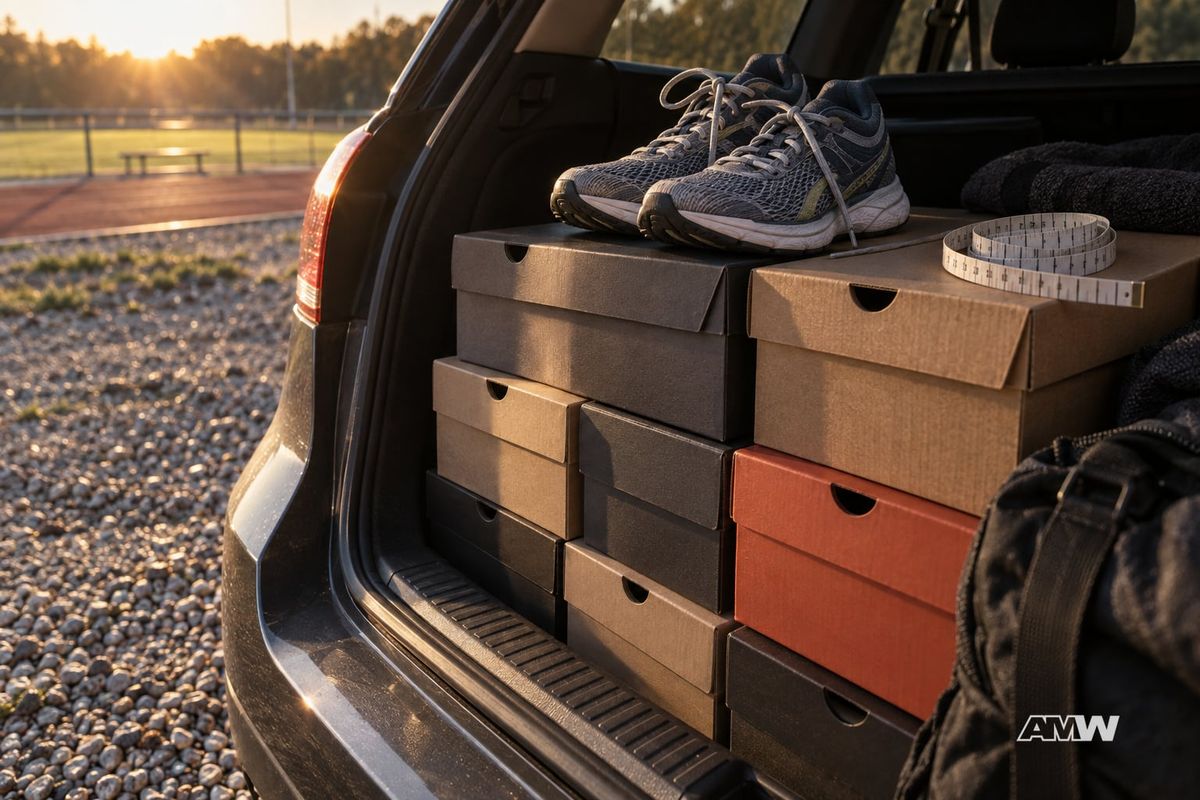
In 1964, Phil Knight was working as an accountant and teaching at Portland State University, and in his off-hours he drove to regional track meets and sold running shoes out of the back of his car2. The shoes were Onitsuka Tigers, made in Japan. He sold them through Blue Ribbon Sports, a company he had just formed with his old track coach, Bill Bowerman2. That company later became Nike.

Quick Summary
Phil Knight sold shoes from a car trunk to build Nike by driving Onitsuka Tiger running shoes to Pacific Northwest track meets from 1964, while still working as an accountant. The trunk put him face to face with the college runners who bought the cheaper Tigers, and what they told him fed Bill Bowerman's shoe designs. For founders today, the part worth copying is that short loop between hearing buyers and changing the product.
The trunk is the detail everyone remembers, and it's easy to treat it as a charming footnote. Looked at more closely, it was doing three jobs at once. It put Knight in front of the exact people who cared about running shoes. It gave him a steady flow of opinions from those people. And it cost almost nothing to run at a time when the company had almost no money. Each of those jobs looks different for a founder in 2026, and one of them has changed far more than the other two.
From a Stanford Degree to a Trunk Full of Tigers, 1962 to 1964
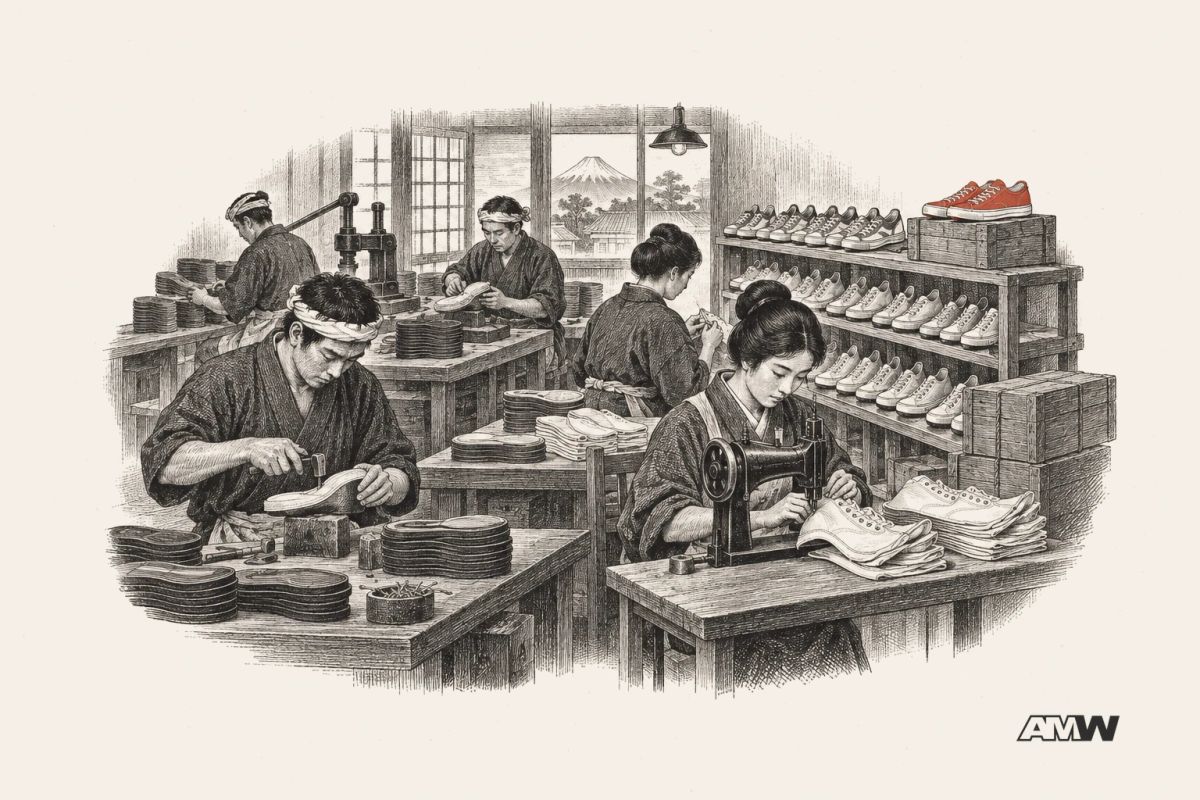
Knight got his shoes by going to Japan right after he graduated from Stanford in 1962. He toured the Onitsuka factory (the company is now Asics) and came away impressed by how quickly and how well it could make shoes. He then made a deal to sell its signature shoe, the Tiger, in the United States2. When he got home he showed the sneakers to Bowerman, and the two formed Blue Ribbon Sports in 19642.
The starting money was small and mostly came from family, though accounts of the exact figure differ. One popular summary of Knight's memoir, Shoe Dog, puts the stake at $50 and says his mother bought the first pair4. Other retellings describe first-year sales of roughly $8,000, with early shoe orders paid for partly through loans from his father. The precise numbers matter less than the shape of the thing: a part-time business run by a man with a day job, selling an import almost nobody in the US had heard of.
Why Did Selling at Track Meets Work So Well?
Track meets worked because every buyer Knight wanted was standing in one place for an afternoon, and he could talk with them as someone who understood running. He sold the Tigers at meets across the Pacific Northwest3. Quartr's history of the company describes him as an excellent salesman whose much cheaper shoes caught on with college athletes across the country1.
Consider what a college runner in the mid-1960s needed to hear before paying for an unfamiliar Japanese brand. They wanted to know the shoe would hold up, that it fit the way a racing shoe should, and that the seller would still be around next season. Knight could answer all three standing next to his car. The runner could hold the shoe, try it on and ask a teammate what they thought. A sporting goods store in Portland couldn't match that, because the clerk probably didn't run and the buyers weren't in the store on a Tuesday afternoon.
There's a limit here that deserves saying plainly. The sources credit Knight's selling, but they also credit the low price and Bowerman's product work1, and there's no way to tell from them how much each one contributed. Lots of people sold goods out of cars in the 1960s, and nobody wrote books about them. The trunk shows how a young company can reach a tight group of buyers cheaply; it can't show that the method builds a global company on its own. It also translates loosely to businesses whose buyers never gather anywhere, since Knight's whole advantage came from a crowd that showed up by itself. For companies that do have a gathering place, selling in person at industry events still works on the same logic.
Every Sale Was Also a Conversation Bowerman Could Use
The trunk fed Nike's product as much as its revenue. While Knight focused on selling, Bowerman spent his time developing and tinkering with shoe designs meant to help athletes run better, experimenting with materials in ways that later became central to the company1. Retellings of the early years also describe Blue Ribbon sending design suggestions back to Onitsuka almost from the start, so the Tigers themselves started to change.
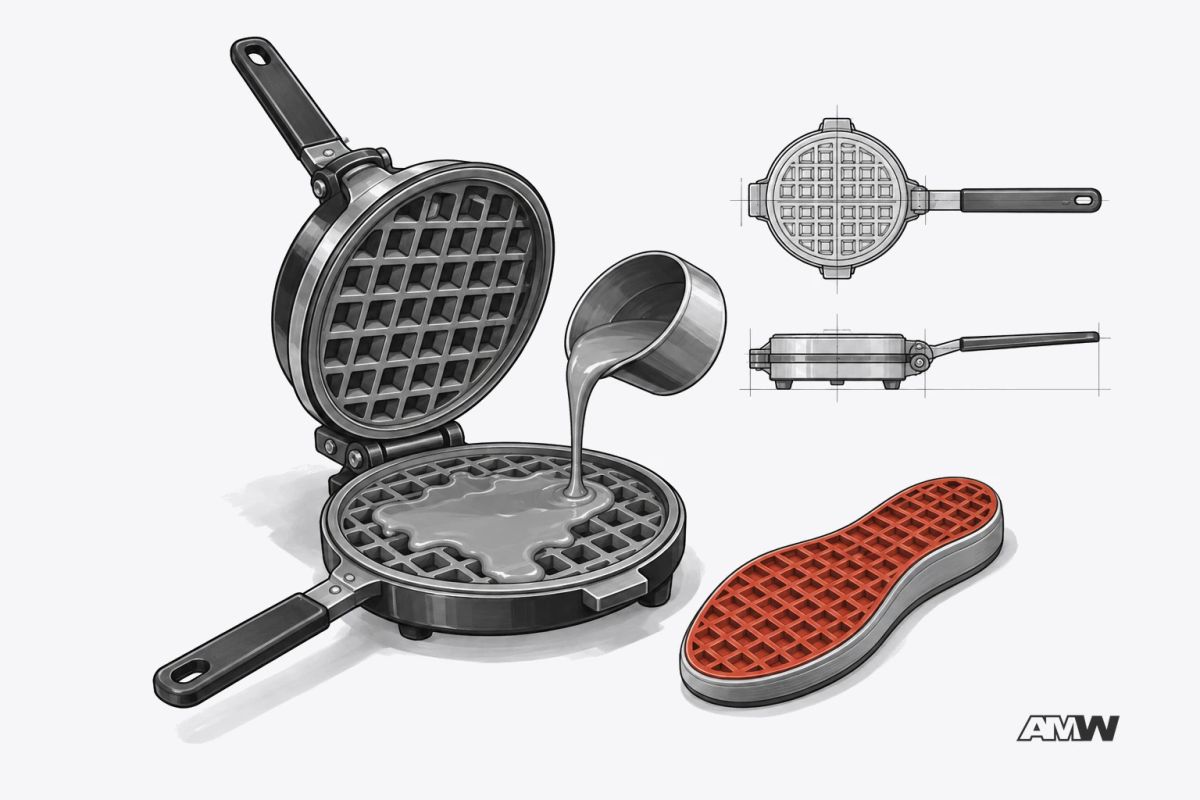
Those conversations at meets were where the raw material came from. A runner who said the heel wore through too fast, or that the shoe felt heavy late in a race, was handing over a design note. Because Knight and Bowerman were partners who talked constantly, that note didn't have to travel far. The often-told story of Bowerman pouring rubber into his family's waffle iron to make a lighter, grippier sole belongs to this same habit of hearing a problem and trying something at home to fix it.
The sequence that made the trunk valuable: a runner mentions a problem at a meet, Knight hears it, Bowerman changes a shoe, and the changed shoe goes back into the trunk for the next meet. The whole loop ran through two people who spoke every week.
Most growing companies have some version of this loop, and it's usually the first thing that breaks as they add people. The person who hears the complaint is often three handoffs away from the person who decides what gets built, and the comment sits in an email thread or a sales rep's memory. Teams that build a habit of routing customer feedback to the product team tend to catch the same kind of fixes Bowerman did, just with more steps in between.
Cash Was Tight the Whole Way Through
Blue Ribbon was short of money for years, and growth made it worse. The company had to pay for each shoe order before those shoes could be sold at a meet, so every jump in demand meant a bigger bill arriving months ahead of the revenue. Accounts of the period describe sales roughly doubling year after year, with an early letter of credit from First National Bank of Oregon reported at about $3,000.
Here's how that squeeze works in practice. Say a company sells a few thousand pairs one year and expects to double. The next order has to cover twice as many pairs, paid in full long before the first of them is sold, while last year's sales are still coming in a few dollars at a time at weekend meets. Any delay in shipping from Japan stretches the gap further.
The trunk helped with this in a way that's easy to miss. It kept overhead close to zero. There was no store lease and no sales staff, and Knight's accounting job covered his own living costs. A founder facing the same squeeze today, whether with inventory or with payroll ahead of client payments, might find managing cash flow while a service business grows covers the modern version of Knight's problem.
| Year | What happened | Source |
|---|---|---|
| 1962 | Knight graduates from Stanford, tours the Onitsuka factory in Japan and makes a deal to sell Tigers in the US | 2 |
| 1964 | Knight and Bowerman form Blue Ribbon Sports; Knight sells from his car at regional track meets | 2 |
| Mid-1960s | Knight sells at meets across the Pacific Northwest while Bowerman experiments with designs | 1,3 |
| Early 1970s | The Onitsuka distribution deal ends and the partners start selling under their own brand | 3 |
Losing Onitsuka Left Them With Customers but No Shoes
When the distribution agreement with Onitsuka ended, Knight and Bowerman had nothing to sell, and they chose to keep going with shoes of their own3. That brand was Nike. The logo and name have their own story, which an earlier article, Nike Branding Beyond the Swoosh and Slogans , follows from the $35 swoosh onward.
What carried over into the new company is the more interesting part for anyone building something. Blue Ribbon lost its supplier, but it kept everything the trunk years had built up: runners who already trusted Knight, a clear picture of what those runners disliked about their shoes, and a coach who had been redesigning shoes for years. A distributor that had only moved boxes would have had very little left after losing its product. Blue Ribbon still had its knowledge of the customer, which is the thing a new brand needs most.
Other lasting companies started from something just as small and personal. Restoration Hardware began in 1979 with one man restoring a Victorian house in Eureka, California, and the path from there is traced in Restoration Hardware Luxury Lifestyle Brand Builds a $3.8 Billion Empire . In both cases, the founder's close contact with early buyers shaped what the company became.
What the Trunk Looks Like Now That Reaching Buyers Costs Almost Nothing
Of the trunk's three jobs, getting in front of buyers is the one that has changed most. A two-person company can now draft and send personalized messages to thousands of prospects with AI writing tools, and many buyers start by asking an AI assistant about their problem before they ever visit a company's website. Knight had to drive to Eugene to meet a few dozen runners. The equivalent reach today costs a fraction of a tank of gas.
The other two jobs haven't gotten much cheaper. Hearing what customers want still depends on real conversations, and deciding which comments matter still takes someone with Bowerman's kind of judgment. When sending messages costs almost nothing, a company that simply sends more ends up looking like every other company in the buyer's inbox. The advantage moves to whoever listens best and acts on what they hear.
| Job the trunk did | How Knight did it in the 1960s | What it looks like now |
|---|---|---|
| Getting in front of buyers | Driving to track meets | AI-drafted outreach, search, AI assistants; cheap and crowded |
| Hearing what buyers want | Talking to runners beside the car | Calls, demos, support tickets, reviews; still slow and human |
| Getting feedback to the builder | Knight telling Bowerman directly | Often lost between sales, support and product teams |
| Keeping costs low | No store, no staff | Software can replace a lot of early headcount |
The third row is where most growing companies struggle. What customers say ends up spread across a sales rep's notes, the support inbox and someone's memory of a call. AMW CRM keeps those conversations on each customer's record, and its AI agents read through them, so the fifth customer who asks for the same thing can be found and counted instead of forgotten. Having customer conversations in one CRM doesn't replace Knight's instinct for what mattered, but it keeps the comments within reach of whoever makes the call.
It's also fair to say this shift is easy to overstate. AI tools are good at producing and sorting messages. They're much weaker at the part Knight did best, which was standing across from a skeptical runner and earning enough trust to sell a shoe from an unknown brand. For many service businesses, the in-person version of the track meet still wins deals that email never will.
A good next step is to pull up your team's last twenty customer conversations and check whether anything a customer said has reached the person who decides what you build or offer next. If it hasn't, that gap is the modern version of Knight's trunk, and it's worth closing before you add more outreach.
Sources
- 1
- 2
- 3
- 4
- 5

Halima Kiani writes for AMW on technology, business, marketing and AI: the tools, trends and decisions shaping how companies work and grow.
Frequently Asked Questions
Where did Phil Knight sell shoes from his car?
Which shoes did Phil Knight sell before Nike existed?
He sold the Onitsuka Tiger, the signature shoe of the Japanese maker now known as Asics. Knight secured the US rights after touring Onitsuka's factory in Japan following his 1962 Stanford graduation2.
How much money did Phil Knight start with?
Accounts differ. One widely shared summary of his memoir says he started with $50 and that his mother bought the first pair4. Other retellings describe early orders funded by loans from his father. All versions agree the starting money was small and came mostly from family.
What role did Bill Bowerman play in the early business?
Why did Blue Ribbon Sports become Nike?
When the distribution agreement with Onitsuka ended, Knight and Bowerman had no shoes to sell. They decided to keep going under a brand of their own, which became Nike3.
Did selling from a car trunk make Nike successful on its own?
No single factor did. Sources credit Knight's salesmanship, but also the Tigers' much lower price and Bowerman's design work1. The trunk was a cheap way to reach a tight group of buyers and hear their feedback, which helped the other factors work.
Can a service business use the track-meet approach today?
It works best when your buyers gather somewhere, such as industry events, conferences or local associations. Reaching people online is now cheap, so the harder part to copy is Knight's habit of turning each buyer conversation into a change in the product or service.
Related Resources
Related Articles
AI Answers Cite Your Press Before Your Founder Bio
AI models draw mostly on earned media, not brand-owned pages. Learn why press coverage shapes how your founder is described and how to write one press release line that carries over.
The Story of Polaroid: Edwin Land and the Instant Photo
A child's question in Santa Fe in 1943 became the SX-70, the Giant Polaroid and one of America's most admired brands. Then came Kodak, the phone and a factory set for demolition.

Nano Banana 2.1 Review: Spelling Right, Details Slip
We gave Google's Nano Banana 2.1 a bakery chalkboard sign and a candle product shot. It spelled every price correctly, then slipped on smaller details worth checking.