

What Apple's PR Team Does That B2B Launches Can Copy


When Apple introduced the iPhone 18 Pro and iPhone 18 Pro Max in September 2026, it ran what the analyst site Above Avalon called its usual PR "red carpet," and it was John Ternus's first product launch in his new role2. Most of that red carpet is out of reach for a company selling software, consulting or services to other businesses. A few of the habits underneath it cost very little, though. They also matter more now than they did a few years ago, because more buyers start their research by asking an AI assistant, and the assistant can only repeat what a company has said clearly in public.
Quick Summary
The part of Apple's PR a B2B launch can copy is its discipline: specific, checkable numbers in one fact sheet, early briefings for the few people whose reaction shapes everyone else's, and customers quoted by name. Apple's iPhone Duo release even footnotes its recycled-content figure. A smaller company can apply the same habits with a one-page fact sheet and a briefing list of three to ten people, which also gives AI assistants one consistent version to repeat.
Apple's Launch Release Is Built From Checkable Numbers
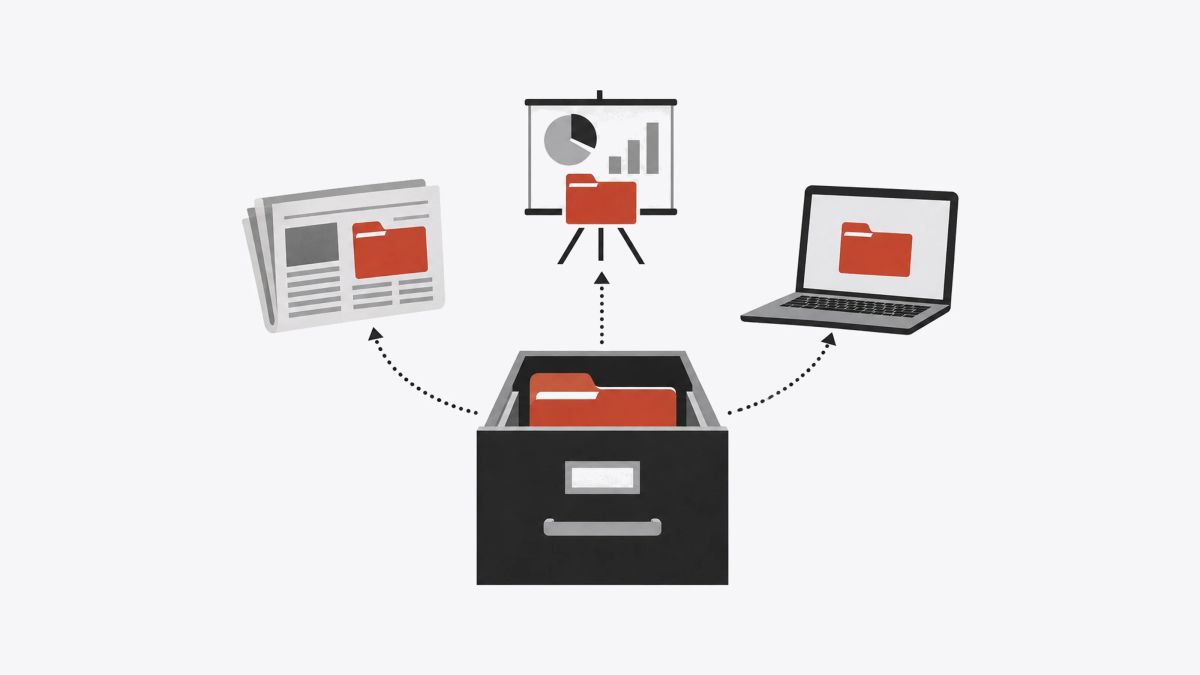
Apple's announcement for iPhone Duo uses specific figures in the places where most companies use adjectives. The environment section says the phone is made with 35 percent recycled content overall, including 100 percent recycled cobalt in the battery and 100 percent recycled titanium in the 3D-printed hinge cover, and that it's manufactured with 60 percent renewable energy across the supply chain4. The 35 percent figure even carries a footnote marker in the release, pointing to the fine print behind it.
For a reporter on deadline, that's about as easy as a press release gets. Each figure can be quoted as written, and the footnote signals that Apple expects to be asked about it. The release also connects those numbers to a commitment Apple has already made in public, its plan to be carbon neutral across its entire footprint by 20304, so one phone's figures read as progress on a promise people can track.
A B2B launch rarely has a recycled titanium story, but it nearly always has numbers of its own: how long setup takes for a typical customer, what the pilot group saw in its first month, how many of the tools customers already use connect on day one. What often happens in drafting is that those figures get softened into phrases like "faster onboarding," because nobody on the team wanted to be the one defending a specific number. Buyers' finance and procurement people tend to look for the specific version, and when they can't find it, they ask the sales rep, who may not know either.
That's why many launch teams build a one-page launch fact sheet before they write anything else. It holds every number the company is willing to see quoted, the source for each, and the one sentence that describes who the product is for. The press release, the sales deck and the website all get written from it, which keeps them from drifting apart.
Before anything goes public, it helps to list every figure in the announcement and write next to each one the name of the person who can explain where it came from. Any figure without a name beside it is likely to be the first one a careful buyer questions.
The Parts of Apple's Playbook a Smaller Company Can't Borrow
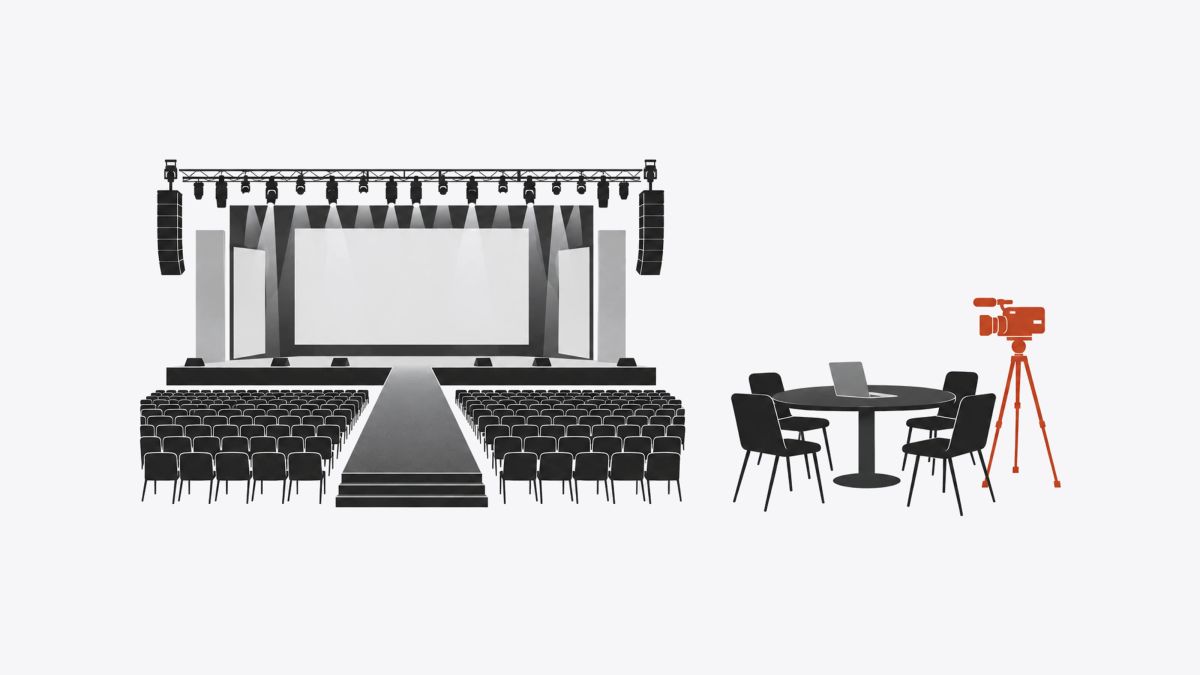
Much of what makes an Apple launch look effortless comes from being Apple, and it helps to be honest about that before copying anything. Publications cover Apple because their readers want the coverage, so Apple doesn't need to persuade anyone to show up. A 20-person firm launching a new service tier is in a different position, and staging an event for a modest release can take weeks of attention that would have done more good spent on customers.
For small releases, like a feature update, a pricing change or a new integration, a clear post and a personal note to existing customers is often all the launch that's needed. The habits below start paying off with releases that change who you sell to or what you're known for.
| What Apple does | Why it works for Apple | The version that holds up for a B2B company |
|---|---|---|
| A live keynote | Millions of people tune in on their own | A short recorded walkthrough, or a webinar for a major release |
| Products in reviewers' hands before the announcement | Publications compete to cover it | Early briefings for three to ten people whose opinion buyers trust |
| A newsroom release with footnoted figures | Press around the world quotes it directly | A one-page fact sheet with a source for every number |
| Customer stories with a name and a face | Adds warmth to a brand people already know | Carries even more weight when buyers haven't heard of you |
| Training for the IT staff who roll products out | A huge base of business customers | Material for your sales team, partners and customer champions |
Who Should Hear About a B2B Launch Before the Public Does?

The people to brief first are the ones whose reaction shapes everyone else's: your largest customers, any partners who resell or implement your product, your own sales and support staff, and possibly one trade reporter or analyst who covers your niche. For most B2B companies that's somewhere between three and ten conversations. Apple's version is the reviewers who get time with a product before the embargo lifts, meaning the agreed moment when they're allowed to publish.
The B2B reasons are a little different. Buying committees often call existing customers before they sign, and a customer who found out about your launch from a LinkedIn post is a less enthusiastic reference than one who saw it early and had their questions answered. The internal side matters just as much. Imagine an account manager whose biggest client emails to ask about the new tier, and that email is how the account manager learns the tier exists.
A typical sequence for an embargo briefing at this scale looks like this:
- Brief your own sales and support teams first, with the fact sheet and answers to the three questions customers are most likely to ask.
- Call your largest customers and closest partners a week or two ahead, and ask what they'd want to know if they were buying today.
- Offer one reporter or analyst an early look under an agreed publication date, with a customer they can speak to.
- Publish, then follow up with everyone you briefed so they see the final version.
The questions people ask in step two are useful material in their own right. They tend to show exactly where the story is thin, while there's still time to fix it.
When an embargo isn't worth it
Trade reporters covering a narrow industry often get more pitches than they can use, and an embargo on a minor release can come across as overreach. For anything short of a real change in what you offer, an open briefing with no conditions usually lands better.
Named Customers Carry More Weight Than Company Claims
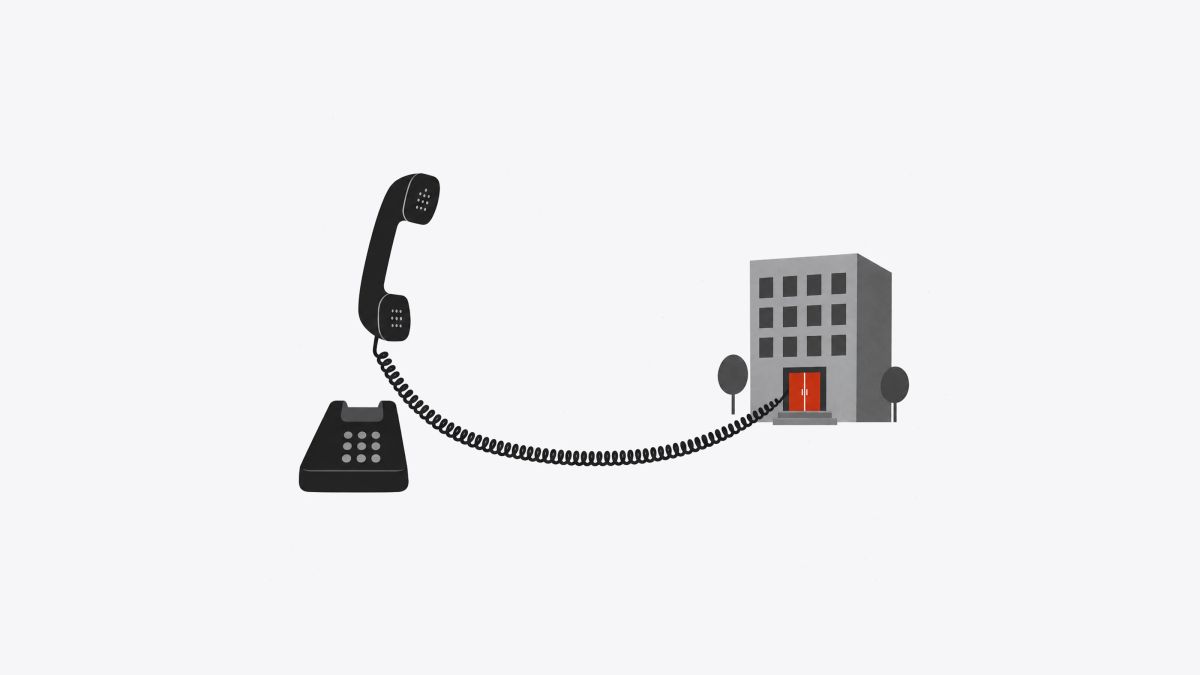
Apple makes a point of building testimonials around a real person's name and image, which is a large part of why its customer stories read as credible1. For a B2B company the same habit is worth even more, because a buyer who hasn't heard of you has little reason to trust your own description of yourself.
A strong customer quote is usually more specific than a weak one. "A leading retailer saw great results" gives a buyer nothing to check. A quote from a named operations director at a named company, describing what changed in their week, gives them someone real to picture and, if they're serious, someone to look up.
The practical catch is timing. Larger customers often need their legal or communications team to approve a quote, and that can take longer than the launch itself. Teams that ask for customer case studies while the product is still in pilot tend to have them ready on launch day; teams that ask the week before often launch without one.
Some customers can't be named at all, especially in regulated fields like healthcare and finance. In those cases, a specific job title, industry and company size ("the finance lead at a 200-person logistics firm") still reads far better than a generic label.
Train the People Who Will Explain the Product for You

Apple puts real effort into the people who roll its products out inside other companies. It offers training and certification programs for IT professionals, along with tools like Apple Business Manager for setting up devices across an organization1. The person who approves an Apple purchase is rarely the person who configures a hundred laptops, and Apple equips the second person too.
B2B launches have the same split. The executive who signs the contract usually hands the product to someone else to set up and explain to their team. If that person struggles, the launch stalls inside the customer's company, where you can't see it. The people worth equipping are:
- Your own sales team, who need the fact sheet, a short demo, and honest answers to the hardest questions a buyer is likely to ask.
- Implementation partners, if you have them, who will explain your product in their own words to clients you may never meet.
- The customer-side champion, the person inside each account who has to win over colleagues, and who benefits from a two-minute explainer they can forward.
Good sales enablement material for a launch is mostly the fact sheet rewritten for each of these readers. Writing it separately tends to introduce new numbers and new claims, which brings back the drift the fact sheet was meant to prevent.
How AI Assistants Change What a Launch Leaves Behind
A launch used to be judged mostly by its first week of coverage. A growing part of its value now shows up months later, when a buyer asks an AI assistant something like "which firms help mid-size manufacturers with X" and the answer is assembled from whatever is public about you. Those answers draw on plain, consistent information: what a company does, who it's for and roughly what it costs.
Apple's habit of using one set of figures everywhere is useful to much smaller companies here. If the launch page describes you one way, your LinkedIn profile another, and an old press release a third, an assistant has three versions to choose from and may blend them. Companies that update older pages when they launch, and keep the fact sheet current afterward, give it one version to repeat. It's worth checking how AI assistants describe your company before and after a launch to see whether the new positioning has replaced the old one.
There's a fair limit to put on this. There's no reliable public measurement yet of how many B2B buyers start with an AI assistant, or how much those answers affect who gets shortlisted. The direction is clear enough to act on in small ways, like keeping public descriptions consistent, but it doesn't justify rebuilding a marketing plan around it.
Where Experienced Judgment Still Decides a Launch
AI tools can now draft a press release, a dozen versions of an FAQ and a full set of briefing emails in an afternoon. With the writing that cheap, more of a launch's quality comes down to the decisions around the writing: which numbers the company is prepared to defend, which customer to put forward, how a large client or a regulator will read a particular claim, and what else is going on in the industry that week. Those calls still take someone who has watched launches go well and badly.
Apple's decision to put recycled materials and renewable energy figures in a phone announcement is one of those calls. It speaks to investors and regulators as much as to reviewers, and someone chose those figures over others. Positioning a product inside a larger public conversation often needs more than product messaging. As the Porsche case study on AMW's work for the Taycan launch describes, presenting Porsche's first fully electric sports car as a credible leader in sustainable mobility called for integrated public affairs, executive communications and sustainability positioning working together.
Most B2B launches are smaller than that, but the same question applies to them. Before publishing, it's worth asking which audiences beyond buyers will read the announcement, and whether each claim still holds up when they do.
If you have a launch on the calendar, a good first step is drafting the one-page fact sheet and sharing it with the handful of people you'd brief early, since their questions will show you where the story needs work. If you'd like experienced help shaping the plan, you can talk to AMW about PR and marketing services for your launch.
Sources
- 1
- 2
- 3
- 4

Valencia Jackson is a Communications Director at AMW, where she develops creative strategy and brand positioning for clients ranging from emerging brands to Fortune 500 companies.
Frequently Asked Questions
Does a small B2B company need an embargo for its product launch?
Usually only for a release that changes what the company offers or who it sells to. For a feature update or new integration, trade reporters in narrow industries often see an embargo as overreach, and an open briefing with no conditions tends to land better.
What goes on a one-page launch fact sheet?
Every number the company is willing to see quoted, the source for each, and one sentence on who the product is for. Apple's iPhone Duo release follows the same idea by pairing figures like 35 percent recycled content with a footnote4. The press release, sales deck and website are then written from that single page.
Who should a B2B company brief before announcing a launch?
Its own sales and support teams first, then its largest customers and implementation partners, and possibly one trade reporter or analyst who covers the niche. For most B2B companies that's between three and ten conversations.
Why do named customer testimonials matter more for B2B than for Apple?
Apple builds testimonials around a real person's name and image for credibility1, but buyers already know Apple. A buyer who hasn't heard of a smaller company has little reason to trust its own claims, so a named person at a named company does more of the persuading.
What if a customer isn't allowed to be named in a case study?
This is common in healthcare and finance. A specific job title, industry and company size, such as the finance lead at a 200-person logistics firm, still reads far better than a generic label like 'a leading company.'
How do AI assistants affect a B2B product launch?
Buyers increasingly ask AI assistants which companies to consider, and the answers draw on public information about what a company does and who it serves. Inconsistent descriptions across a launch page, social profiles and older press releases can get blended. There isn't yet reliable public data on how much this affects shortlists, so it's a reason for consistency rather than a full rethink.
Which parts of Apple's launch approach don't work for smaller companies?
The live keynote and the broad press turnout depend on being Apple, since publications cover it because readers demand it2. For smaller companies, a recorded walkthrough or webinar for major releases, and a clear post plus a note to customers for minor ones, usually does the job.
Related Resources
Related Articles

Sam Walton's Data Habit: Lessons for Service Businesses
Sam Walton read store sales figures from his hospital bed. The habit behind that began on lunch breaks in Des Moines, and it holds a lesson for growing service firms in 2026.

Howard Schultz and the Starbucks Third Place Strategy
Howard Schultz built Starbucks around a room people wanted to stay in. Seventy percent of orders now skip that room. What changed, and what it means for service firms.

How Phil Knight Sold Shoes From a Car Trunk to Build Nike
In 1964 Phil Knight sold Onitsuka Tigers from his car at Pacific Northwest track meets. Here is what that trunk did for Nike, and which parts still apply now that outreach is cheap.