

How to Start Your Own Podcast: A Complete Beginner's Guide

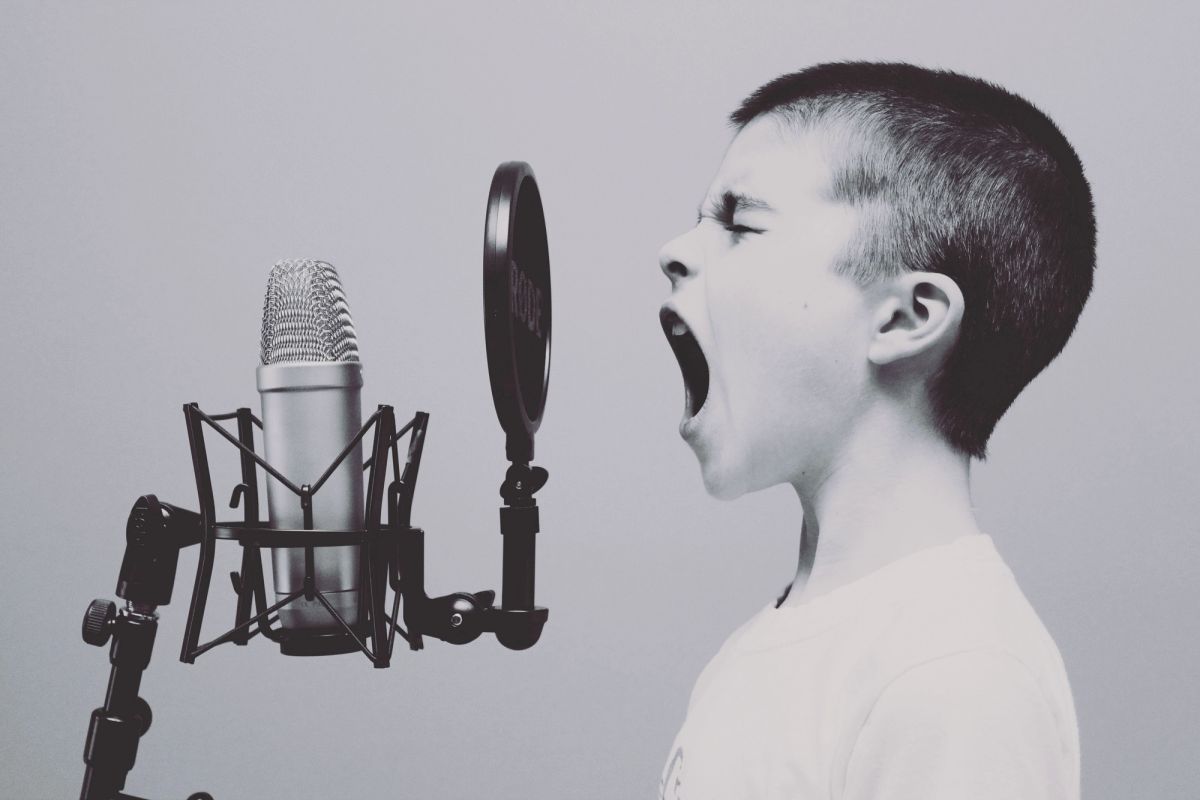
Podcasting has evolved from a niche medium to a mainstream content platform with over 500 million listeners worldwide. Whether you're building a personal brand , marketing a business, sharing expertise, or simply have stories to tell, launching a podcast has never been more accessible.
Quick Summary
The world of blogging is evolving, and now podcasts are capturing audiences with millions of subscribers. Starting a podcast involves identifying a unique topic, investing in quality equipment like a noise-canceling microphone, and utilizing effective audio editing software. Choosing a platform, such as WordPress or Soundcloud, to host your episodes is essential for visibility. With dedication and attention to detail, creating a podcast can be as rewarding as blogging.
This comprehensive guide walks you through every step of starting a podcast—from concept development to audience growth—with practical advice that helps you launch confidently and build sustainably.
Defining Your Podcast Concept
Before purchasing equipment or recording a single episode, clarify your podcast's purpose and positioning.
Finding Your Niche
Successful podcasts typically occupy specific niches rather than trying to appeal to everyone. Consider what unique perspective or expertise you bring, what topics you can discuss consistently over 50+ episodes, what audience you want to serve, and what makes your show different from existing podcasts in your space.
Research existing podcasts in your area of interest. Look for gaps in coverage, underserved audiences, or approaches that haven't been tried. The intersection of your passion, expertise, and market opportunity defines your optimal niche.
Choosing Your Format
Common podcast formats include solo commentary where you share thoughts and expertise directly, interview shows featuring conversations with guests, co-hosted discussions with regular partners, narrative storytelling with produced, scripted content, and panel discussions with multiple voices on topics.
Each format has production and scheduling implications. Solo shows offer complete control but require strong individual content. Interview formats provide variety but require guest coordination. Choose a format that fits your strengths, resources, and goals.
Essential Podcast Equipment
Quality audio matters, but you don't need expensive gear to start. Here's what beginners actually need.
Microphones
USB microphones offer the simplest setup for beginners. The Audio-Technica ATR2100x-USB and Samson Q2U provide excellent quality around $70-100 and work for both USB and XLR connections as you upgrade.
For more professional setups, XLR microphones like the Shure SM58 or Audio-Technica AT2020 offer superior sound but require audio interfaces. Position any microphone 4-6 inches from your mouth at a slight angle.
Recording Environment
Your recording space matters more than your microphone. Reduce echo by recording in rooms with soft furnishings, hanging blankets, or using portable vocal booths. Close windows to minimize outside noise. Turn off air conditioning, fans, and other background noise sources during recording.
Headphones
Closed-back headphones prevent audio from bleeding into your microphone and let you monitor your sound while recording. The Audio-Technica ATH-M50x and Sony MDR-7506 are industry standards at reasonable prices.
Recording and Editing
With equipment set up, you're ready to record and produce your episodes.
Recording Software
Free options like Audacity (Windows/Mac) or GarageBand (Mac) handle most podcasters' needs. More advanced options include Adobe Audition, Logic Pro , or Hindenburg Journalist. For remote interviews, platforms like Riverside.fm, Squadcast, or Zencastr record high-quality audio from multiple locations.
Editing Basics
Edit for clarity and pacing rather than perfection. Remove long pauses, verbal stumbles, and off-topic tangents. Add intro music, transitions, and outros. Most podcasts benefit from light compression and EQ to balance audio levels.
Keep episodes focused. While some podcasts run 2+ hours, 20-45 minutes works well for most topics and listener attention spans. Respect your audience's time.
Hosting and Distribution
Podcast hosting platforms store your audio files and generate RSS feeds that distribute your show to podcast apps.
Choosing a Host
Popular hosting platforms include Buzzsprout (beginner-friendly with good analytics), Transistor (premium features, unlimited shows), Anchor (free but Spotify-owned), and Libsyn (established player with tiered pricing).
Consider storage limits, analytics depth, distribution features, and pricing as your show grows. Most hosts offer free trials or low-cost entry tiers.
Submitting to Directories
Once hosted, submit your RSS feed to major directories including Apple Podcasts (still the largest platform), Spotify, Google Podcasts, Amazon Music, and Stitcher. Most directories approve submissions within days. Your hosting platform typically provides submission guides.
Creating Compelling Content
Sustainable podcasting requires consistent content that serves your audience.
Episode Structure
Strong episodes typically follow a structure: hook listeners in the first 60 seconds with what they'll learn, deliver on your promise with valuable content, include clear transitions between segments, and end with a memorable conclusion and call to action .
Prepare outlines rather than full scripts. Notes keep you organized while allowing natural conversation. Over-scripting often sounds stilted and disconnected.
Consistency and Scheduling
Choose a publishing schedule you can maintain long-term. Weekly episodes work for most shows, but biweekly or monthly schedules succeed too. Consistency matters more than frequency—listeners expect reliability.
Batch record when possible. Recording 2-4 episodes in one session creates buffer for busy weeks and reduces setup time.
Growing Your Audience
Building podcast audience requires effort beyond publishing episodes.
Promotion Strategies
Cross-promote with other podcasters in your niche. Guest on established shows to reach new audiences. Share clips and episode highlights on social media. Build an email list to communicate directly with listeners.
Encourage reviews and ratings, which influence discovery on podcast platforms. Make reviewing easy by including simple instructions in your show.
SEO and Discoverability
Write detailed, keyword-rich episode descriptions and titles. Create show notes that help search engines understand your content. Consider transcribing episodes for accessibility and SEO benefits.
Monetization Options
As your audience grows, monetization opportunities emerge.
Common podcast revenue streams include sponsorships and advertising, premium content and memberships, affiliate marketing, services and consulting tied to your expertise, and merchandise sales.
Focus on audience building first. Monetization typically requires consistent downloads—most sponsors want 5,000+ downloads per episode. Build value before pursuing revenue.
Taking the First Step
The best way to start podcasting is to start. Your first episodes won't be perfect—and that's okay. Every successful podcaster improved through practice. Record your first episode, publish it, learn from the experience, and keep going.
Ready to elevate your digital presence? Get a free consultation to discuss your goals.

The AMW® Editorial Team covers marketing, business growth and the software AMW builds for businesses.
Frequently Asked Questions
How much does it cost to start a podcast?
You can start a podcast for $100-300 with a decent USB microphone ($70-100), headphones ($50-100), and free recording software. Hosting costs $10-20/month for most beginner plans. Professional setups with XLR microphones, interfaces, and premium software can run $500-1000+.
How long should podcast episodes be?
Episode length depends on content and format. Most successful podcasts run 20-45 minutes, though interview shows often go longer. Focus on providing value rather than hitting a specific length. Cut anything that doesn't serve your audience—respect their time.
How often should I release podcast episodes?
Weekly releases work for most podcasts, balancing consistency with manageable production demands. Biweekly or monthly schedules also succeed. Choose a frequency you can maintain long-term—consistency matters more than frequency.
Do I need to be an expert to start a podcast?
You don't need formal credentials, but you should offer genuine value. Expertise can come from professional experience, deep personal interest, or unique perspectives. Some successful podcasts document learning journeys rather than claiming expertise.
How do podcasters make money?
Podcasters monetize through sponsorships, premium subscriptions, affiliate marketing, courses and consulting, merchandise, and live events. Most income comes from sponsorships requiring 5,000+ downloads per episode. Smaller shows often monetize through services or community memberships.
What equipment do professional podcasters use?
Professional podcasters typically use XLR microphones like the Shure SM7B or Electro-Voice RE20 with quality audio interfaces like the Focusrite Scarlett or RodeCaster Pro. They record in treated spaces and edit with professional software like Adobe Audition or Logic Pro.
How long does it take to grow a podcast audience?
Most podcasts take 12-24 months to build substantial audiences. The first year often involves slow growth while you refine your content and promotion. Consistent publishing, quality content, and active promotion accelerate growth. Patience and persistence matter most.
Related Resources
Calculators
Pricing Guides
Related Articles

50 Powerful Ways to Grow Your Instagram Following and Boost Your Brand
Instagram serves as a pivotal platform for personal branding and business growth, with over 2 billion active users. Growing a following involves strategic engagement, understanding algorithms,...

What is Music PR?
Public Relations (PR) in the music industry, often called Music PR, plays a crucial role in shaping artists' careers and influencing how music is perceived and consumed globally. At its core, Musi

10 Revolutionary AI Tools for Music Production That Transform Your Creative Process
Artificial intelligence is revolutionizing music production by enhancing creativity and accessibility for artists. AI tools now assist in composing, mixing, and mastering tracks, providing...