

Music Festival Management: Behind the Scenes


Music festivals have evolved into a vibrant tapestry of cultural celebration, bringing together artists, fans, and communities in a dynamic showcase of creativity and connection.

Quick Summary
Music festivals thrive on meticulous event management, with extensive planning months to years in advance, from scheduling artists to budgeting. A cohesive team, leveraging technology for efficient communication and operations, brings these events to life. Community engagement and sustainability efforts are vital, fostering inclusivity and eco-friendly practices. Despite challenges like weather and logistics, the rewards are immense, creating lasting memories and cultural impacts. Looking forwar
Behind the pulsating rhythms and unforgettable performances, however, lies an intricate world of Event management , planning, and execution that turns these grand visions into reality.
This blog post offers an insider's look into music festival management's complex yet rewarding realm, highlighting the dedication and innovation that fuel these extraordinary events.
The Symphony of Planning

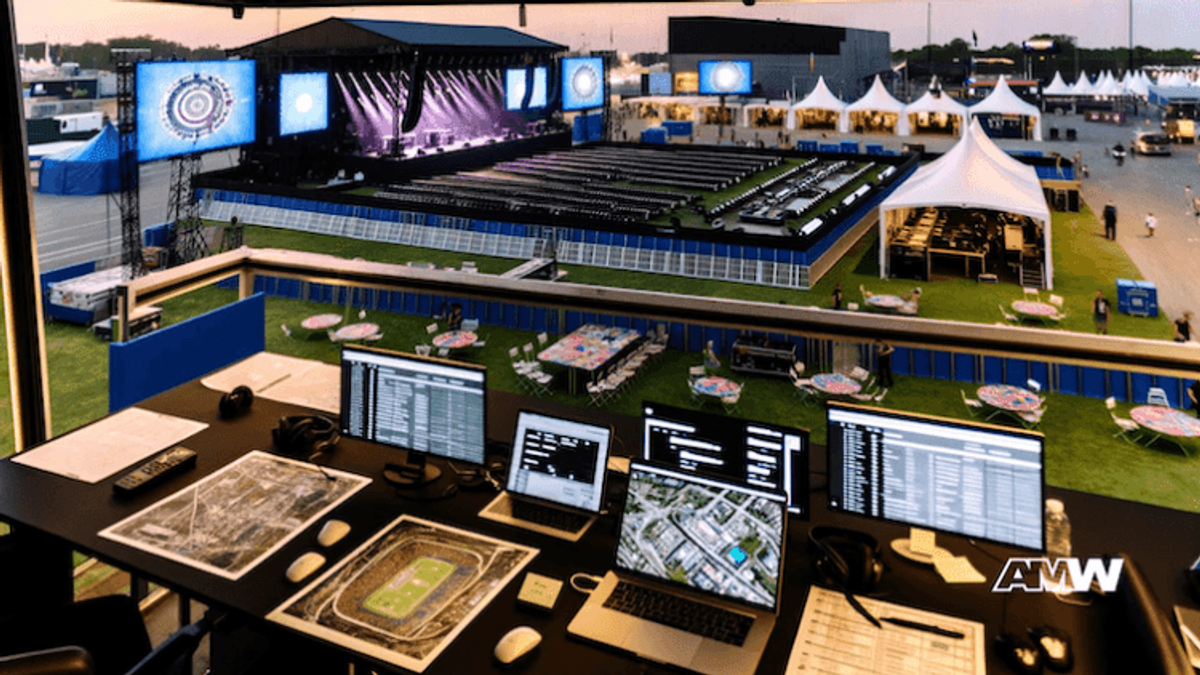
At the heart of every successful music festival is a meticulously crafted plan that serves as the event's blueprint. This process begins months, or even years, in advance, with the selection of dates, venues, and lineups. Managers must navigate the logistical labyrinth of scheduling artists, securing permits, and coordinating with local authorities, all while keeping the festival's vision and goals at the forefront.
The planning stage also involves detailed budgeting, from artist fees and stage design to security and sanitation services. Financial foresight and strategic resource allocation are crucial to ensuring the festival's success, sustainability, and growth.
Harmonizing Teams and Technology

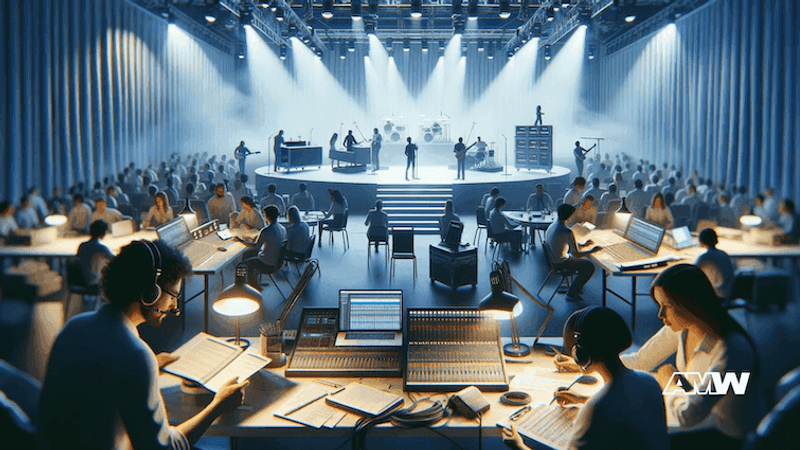
Behind every music festival is a dedicated team of professionals working harmoniously to bring the event to life. From production crews and sound engineers to marketing specialists and customer service representatives, each member plays a critical role in orchestrating the festival experience. The key to this harmonization is effective communication facilitated by the latest technology and project management tools .
Digital platforms and software advancements have revolutionized festival management, enabling teams to streamline operations, enhance audience engagement, and deliver personalized experiences. From ticketing systems and mobile apps to social media channels and virtual reality, technology empowers managers to create immersive and interactive festivals that resonate with attendees on a deeper level.
Cultivating Community and Sustainability
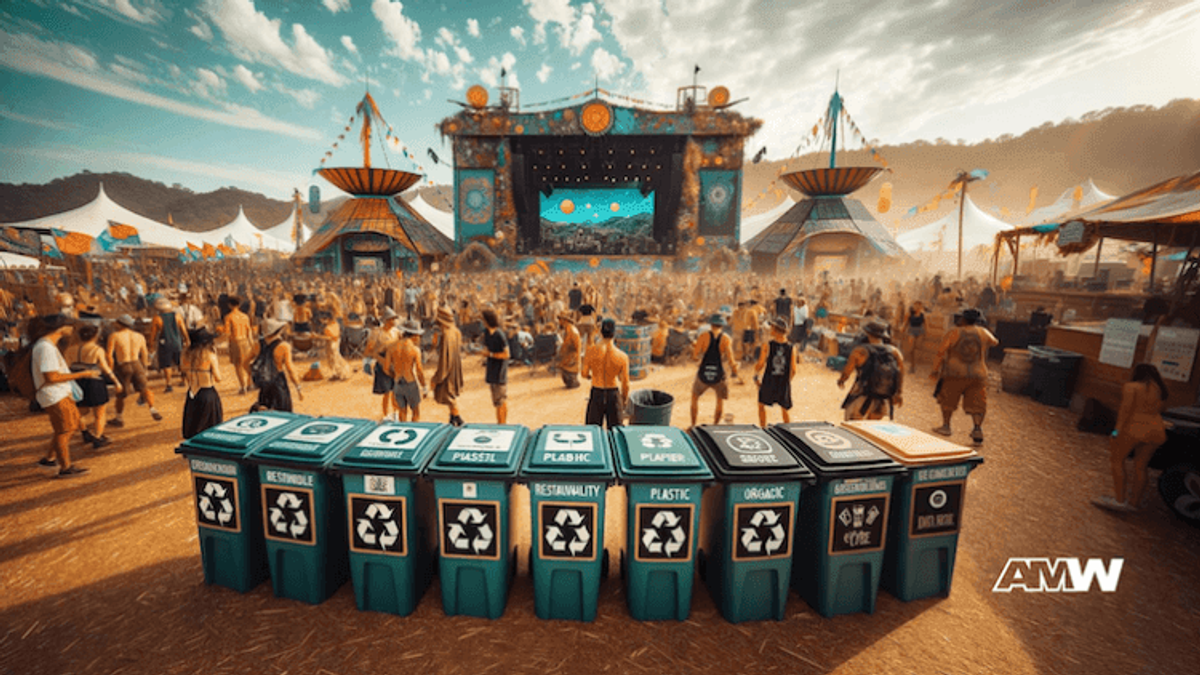
At its core, a music festival celebrates community, bringing together people from different backgrounds to share the joy of music and arts. Festival managers play a pivotal role in fostering this sense of community, ensuring the event is accessible, inclusive, and reflective of its audience's values and interests. Engaging with local artists, businesses, and non-profits enriches the festival experience and strengthens the bonds between the event and its host community.
Sustainability has also become a critical focus for festival management, with a growing emphasis on minimizing environmental impact and promoting eco-friendly practices. From waste reduction and recycling programs to using renewable energy sources, managers are implementing innovative solutions to ensure that future generations can enjoy festivals.
Facing the Music: Challenges and Rewards

Managing a music festival has challenges, from unpredictable weather and technical glitches to last-minute cancellations and security concerns. Yet, within these challenges, the true spirit of festival management shines. The ability to adapt, innovate, and persevere through adversity transforms an ordinary event into an unforgettable experience.
The rewards of music festival management are immeasurable, reflected not only in the event's success but also in the lasting memories and positive impacts it creates. Seeing the smiles on attendees' faces, the power of music to unite people, and contributing to communities' cultural and economic vitality motivate festival managers to continue pushing boundaries and elevating the festival experience.
Encore: The Future of Festivals
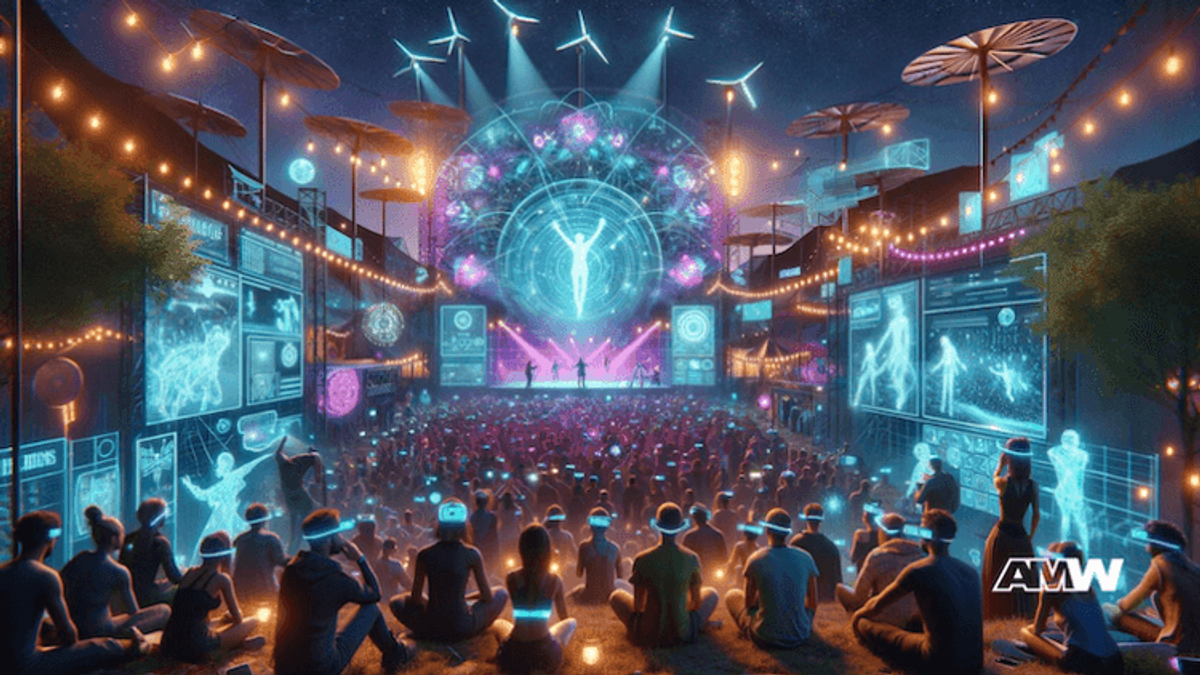
As we look to the future, the world of music festival management is ripe with possibilities. Emerging technologies, evolving audience expectations, and a growing emphasis on social responsibility are shaping the next generation of festivals. Managers who embrace innovation, prioritize sustainability, and remain committed to their vision will lead the way in creating events that entertain, inspire, and connect.
In conclusion, the journey of music festival management is a testament to the power of passion, creativity, and collaboration. Behind the scenes, countless individuals' hard work, dedication, and innovation make these celebrations of music and culture possible. As we continue to navigate the challenges and embrace the opportunities ahead, let us celebrate the magic of music festivals and the remarkable people who bring them to life.
Frequently Asked Questions (FAQ) About Music Festival Management
How far in advance should planning for a music festival begin?
Planning for a music festival can begin in advance, 12 to 18 months or longer. This timeframe allows for thorough venue selection, artist bookings, permit acquisitions, and a strategic marketing campaign implementation. Early planning also provides a buffer for unforeseen challenges and adjustments.
What are the key elements of a successful music festival?
The key elements of a successful music festival include:
- A diverse and appealing lineup.
- Efficient logistics and operations.
- Strong marketing and community engagement.
- Excellent customer service.
- A focus on safety and sustainability.
Creating an immersive and memorable attendee experience is also crucial.
What role does technology play in music festival management?
Technology is pivotal in streamlining festival operations, enhancing attendee experiences, and expanding audience reach, including ticketing platforms, event apps, RFID wristbands, social media engagement, and virtual or augmented reality experiences. Technology also aids in data collection and analysis for continuous improvement.
How can music festivals promote sustainability?
Music festivals promote sustainability by implementing eco-friendly practices such as waste reduction and recycling, using renewable energy sources, offering sustainable transportation options, and minimizing water usage. Engaging attendees in these efforts and partnering with environmental organizations can amplify their impact.
How do you measure the success of a music festival?
Various metrics, including ticket sales, attendee satisfaction, social media engagement, and coverage, can measure a successful music festival. Other indicators include:
- The event's smooth execution.
- The achievement of sustainability goals.
- The positive economic impact on the local community.
What are the biggest challenges in music festival management?
The biggest challenges include:
- Managing logistical complexities.
- Ensuring safety and security.
- Adapting to weather conditions.
- Handling artist and vendor coordination.
- Meeting the expectations of a diverse audience.
Financial management and sustainability efforts also present significant challenges.
How can festival managers stay ahead of industry trends?
Festival managers can stay ahead of industry trends by attending conferences, networking with peers, engaging with cutting-edge technology, and monitoring social media and cultural shifts. Continuous learning and openness to innovation are key to adapting and thriving in the dynamic festival landscape.
By addressing these common inquiries, festival organizers and attendees alike can better understand the intricate behind the scenes of music festivals, illuminating the path to creating events that resonate, inspire, and endure.
Revenue Streams and Financial Strategy
Successful music festival management requires a sophisticated understanding of diverse revenue streams beyond ticket sales. While admissions typically account for 60-70% of total revenue, savvy festival managers develop multiple income channels including vendor fees, sponsorship packages, VIP experiences, merchandise sales, and parking fees. Corporate partnerships often provide 20-30% of festival revenue, with brands seeking authentic connections to target demographics through branded stages, product activations, and experiential marketing opportunities.
Effective financial strategy also involves risk management through insurance policies, weather contingency funds, and flexible vendor contracts. Many successful festivals implement tiered pricing structures with early-bird discounts to improve cash flow months before the event. Additionally, festival managers increasingly explore year-round revenue opportunities through branded merchandise, streaming content partnerships, and satellite events that maintain audience engagement between annual festivals.
Cash flow management remains critical, as most expenses occur months before revenue collection. Establishing relationships with specialized entertainment industry lenders and maintaining detailed financial projections help ensure sufficient working capital. Smart festival managers also negotiate payment terms that align with their revenue timeline, such as partial artist payments upon booking with balance due post-event.
Crisis Management and Contingency Planning
Modern festival management demands comprehensive crisis management protocols that address everything from severe weather to medical emergencies and security threats. Industry leaders develop detailed contingency plans with clear chain-of-command structures, emergency communication systems, and pre-established relationships with local emergency services. Weather contingency plans should include stage evacuation procedures, temporary shelter options, and criteria for event postponement or cancellation that protect both attendees and the festival's financial interests.
Effective crisis management extends beyond day-of-event scenarios to include reputation management and public relations strategies. Social media monitoring tools help festival managers respond quickly to emerging issues, while pre-drafted communication templates enable rapid, consistent messaging across all platforms. Many festivals now employ dedicated crisis communication specialists who can manage media relations during high-stress situations.
The COVID-19 pandemic highlighted the importance of adaptable business models and health safety protocols. Forward-thinking festival managers now incorporate flexible ticketing policies, enhanced sanitation procedures, and potential hybrid virtual components into their standard planning processes. Regular scenario planning exercises with key team members help identify potential vulnerabilities and develop response strategies before crises emerge.
Artist Relations and Talent Management
Building strong relationships with artists, agents, and booking agencies forms the foundation of successful festival programming. Experienced festival managers understand that artist satisfaction extends far beyond performance fees to include hospitality, technical requirements, and career development opportunities. Providing exceptional artist experiences leads to positive word-of-mouth within the music industry, making it easier to book top-tier talent for future events and often at more favorable rates.
Successful talent management involves understanding the technical rider requirements for each act and ensuring production teams can deliver the necessary staging, sound, and lighting specifications. Festival managers must balance headline acts that drive ticket sales with emerging artists who may become future headliners, creating programming that satisfies both commercial and artistic objectives. Many festivals now offer artist development programs, workshops, or networking opportunities that provide additional value beyond the performance opportunity.
Negotiating artist contracts requires expertise in entertainment law and industry standards. Key considerations include performance schedules, exclusivity clauses, cancellation policies, and promotional obligations. Smart festival managers maintain relationships with reliable backup acts and develop flexible scheduling systems that can accommodate last-minute changes. Additionally, fostering relationships with artist management teams often leads to preferential booking opportunities and insider knowledge about upcoming tours and album releases.

Frequently Asked Questions
How far in advance should you start planning a music festival?
Music festival planning should begin months or even years in advance. The initial planning stage involves selecting dates, venues, and lineups, followed by navigating the logistical requirements of scheduling artists, securing permits, and coordinating with local authorities. This extended timeline allows for detailed budgeting, strategic resource allocation, and ensures all aspects from artist fees to security services are properly managed for a successful event.
What are the biggest challenges in music festival management?
Music festival managers face numerous challenges including unpredictable weather conditions, technical equipment glitches, last-minute artist cancellations, and security concerns. Successfully managing these obstacles requires adaptability, innovation, and strong problem-solving skills. The ability to quickly pivot and implement backup plans while maintaining the festival experience is what separates successful events from disasters and transforms ordinary events into unforgettable experiences.
How do music festivals incorporate sustainability into their operations?
Modern music festivals are implementing various eco-friendly practices to minimize environmental impact. These include comprehensive waste reduction and recycling programs, utilizing renewable energy sources for power needs, and promoting sustainable transportation options. Festival managers are also partnering with environmental organizations and educating attendees about conservation practices, ensuring that future generations can continue to enjoy these cultural celebrations while protecting the environment.
What technology tools are essential for modern music festival management?
Digital platforms and project management software have revolutionized festival operations. Essential technologies include advanced ticketing systems, mobile apps for attendee engagement, social media management tools, and virtual reality experiences. These tools enable managers to streamline operations, enhance audience engagement, deliver personalized experiences, and facilitate effective communication between diverse team members including production crews, sound engineers, marketing specialists, and customer service representatives.
How do music festivals build relationships with local communities?
Festival managers foster community connections by engaging with local artists, businesses, and non-profit organizations. This approach enriches the festival experience while strengthening bonds between the event and its host community. Successful festivals ensure accessibility and inclusivity, reflecting their audience's values and interests. They also contribute to the local economy and cultural vitality, creating lasting positive impacts that extend beyond the event dates.
What does the budget planning process look like for music festivals?
Festival budget planning requires detailed financial foresight and strategic resource allocation across multiple categories. Major budget items include artist fees, stage design and construction, security services, sanitation facilities, permits, and marketing expenses. Managers must balance these costs while ensuring the festival's vision remains intact. Effective budgeting also considers contingency funds for unexpected expenses and focuses on sustainability and growth for future events.
Related Resources
Calculators
Case Studies
Pricing Guides
Related Articles
Secrets to Organizing Successful Music Events and Concerts
In the world of entertainment, organizing a music event or concert is both an art and a science. It demands creativity, meticulous planning, and a passion for delivering unforgettable experiences to a

Plan a Concert: Creating a Concert Planning Strategy
Planning a concert can be an exciting endeavor that may bring a community together through live music and create memorable experiences. Whether it's a small concert event featuring local bands or

Elevate Your Events in 2026: The Ultimate Event Strategy Guide
As we embrace 2025, the events industry thrives on innovation and adaptability. In this era, the role of an event organizer transcends traditional boundaries, morphing into a blend of artistry and ana