

Top Digital Marketing Trends in 2026


With technology and how people buy things changing so fast, new strategies can get old quickly.

Quick Summary
Marketing strategies are evolving rapidly due to technologies like AI and VR, and changing consumer expectations concerning personalization and privacy. Key trends include optimizing for voice search, leveraging video content, enhancing customer experience through advanced analytics, and addressing data privacy to build trust. Social commerce is simplifying purchases, while AR and VR provide engaging experiences. Additionally, embracing sustainability and influencer partnerships can strengthen b
Businesses have never had more challenges or opportunities to connect with their audience in new and meaningful ways.
In this post, we'll look at some ideas shaping marketing in 2025.
These trends include emerging technologies like AI and VR and evolving consumer expectations around personalization , privacy, and corporate responsibility.
Artificial Intelligence/Machine Learning
AI and machine learning are important in digital marketing these days.
Some businesses use AI to analyze customer behavior, predict trends, and optimize campaigns.
With these technologies advancing, they can help in personalizing content , automate customer interactions, and be more efficient.
Voice Search Optimisation
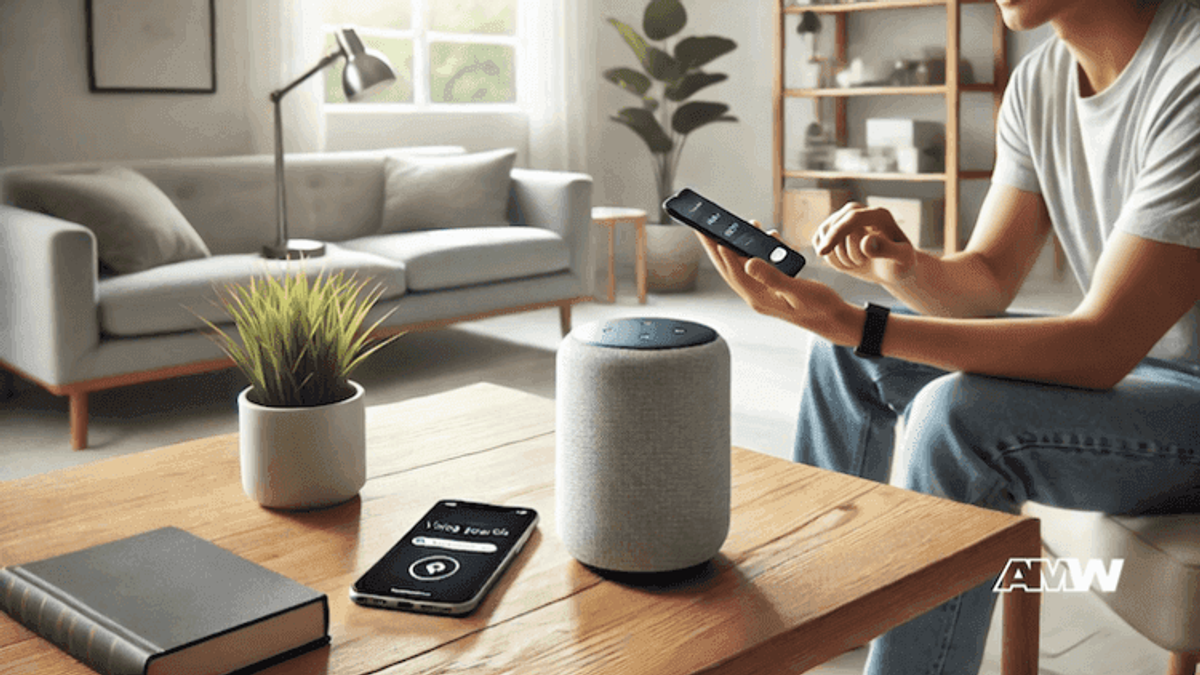
As smart speakers and voice assistants become more popular, it's essential to optimize for voice search. Consumers are using voice commands to search, buy, and interact with brands more than ever.
Converting content to conversational queries and focusing on long-tail keywords can help with voice search visibility.
This trend highlights the importance of natural language processing and understanding the subtleties of spoken language in marketing.
Video Marketing and Live Streaming

Video is still king of online engagement, and live streaming is taking off. Platforms favor video content, and consumers love visual and interactive media.
Consider investing in high-quality video production and explore live-streaming options to build audience connection and brand authenticity.
This trend shows the power of dynamic content to grab attention and build community.
Personalization and Customer Experience
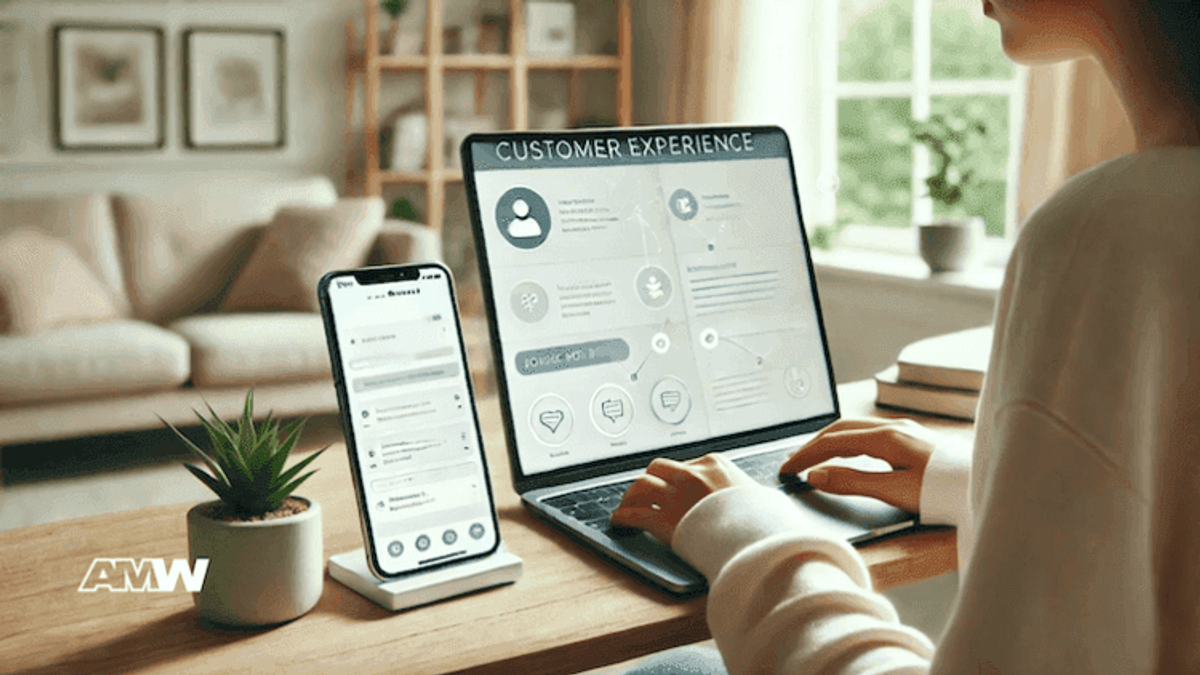
It is possible to do a lot more with personalization than just using a customer's first name in an email. Advanced data analytics lets you create tailored experiences based on individual preferences, behavior, and interactions.
This kind of personalized content and offers can really boost customer satisfaction and loyalty. Focusing on the overall customer experience from first touch to post-purchase support is becoming a key differentiator in competitive markets.
Data Privacy and Security
Data privacy concerns are impacting consumer trust and regulatory landscapes. One must comply with data protection rules.
Implementing robust data security and transparency about data use can build trust with your audience. This trend highlights the need to balance personalization with consumer privacy.
Social Commerce and Shoppable Posts

Social media and e-commerce are becoming more intertwined with platforms offering features to allow consumers to buy from posts and stories. Social commerce reduces the steps between product discovery and purchase.
Implementing shoppable posts can improve user experience and conversion rates. This trend shows we need to meet our audience where they are and make the buying process as easy as possible.
Augmented Reality and Virtual Reality Marketing

AR and virtual reality are changing the way brands interact with consumers. These immersive technologies offer interactive experiences like virtual try-ons and 3D product demos that can increase customer engagement.
Including AR and VR in marketing can differentiate your brand and offer unique value propositions. As these technologies become more accessible, they can help you create memorable and engaging customer experiences.
Influencer Marketing
Influencer marketing is evolving with a move towards micro-influencers and authentic partnerships. Micro-influencers have highly engaged audiences in specific niches, making their endorsements more powerful.
Building relationships with influencers aligned with your brand values can increase credibility and reach. This trend shows the value of authenticity and trust in influencer partnerships over sheer numbers.
Interactive Content and Gamification

Interactive content (quizzes, polls, interactive videos) is on the rise. Gamification elements can make content more engaging and get consumers actively involved.
Creating interactive content can give you valuable insights into consumer preferences and behavior. This fits with the trend of creating more personalized and engaging user experiences.
Sustainability and Social Responsibility
Many consumers are putting brands that demonstrate a commitment to sustainability and social responsibility at the forefront of their minds. Transparent practices and ethical marketing can influence purchase decisions and brand loyalty.
Showcasing sustainable initiatives and socially responsible efforts can strengthen your brand.
Conclusion
Keeping up with digital marketing means staying on top of trends and adapting to them.
This post has given you a flavor of what's to come in 2025, where technology, consumer behavior, and global shifts intersect. These trends, from AI to sustainability and social responsibility, highlight the challenges and opportunities ahead.
However, you must thoroughly research these concepts to apply them to your business objectives and target audience.
Not every trend is going to be useful for every business. Understanding your audience's needs, preferences, and pain points is critical. By matching these insights with the right trends, your marketing can be innovative, effective, and relevant.
By embracing these trends, you can connect more with your audience and succeed in the digital space. It's about more than just adopting new tech or following the latest trends; it's about integrating these elements into a cohesive strategy that improves customer experience and builds trust and long-term engagement.
The digital space is full of opportunity but demands flexibility, imagination, and continuous learning. As we look to 2025, marketers can redefine their approach, challenge the status quo, and set new benchmarks in their industry. By staying ahead of the curve and informed, businesses can keep up with the changes.
Ultimately, the journey through 2025's digital marketing trends is one of discovery and adaptation. It's an opportunity to re-think old ways, innovate, and the possibility to connect with your audience more accurately and powerfully.
Omnichannel Marketing and Cross-Platform Integration
Modern consumers interact with brands across multiple touchpoints, from social media and email to physical stores and mobile apps. Successful digital marketing in 2026 requires a seamless omnichannel approach that creates consistent experiences regardless of where customers engage with your brand. This means integrating messaging, design, and functionality across all platforms while maintaining a unified brand voice and customer journey.
To implement effective omnichannel marketing, businesses should invest in customer data platforms (CDPs) that unify customer information from all touchpoints. This allows for coordinated campaigns where a customer might see a product on Instagram, receive a follow-up email with personalized recommendations, and complete their purchase through a mobile app with consistent messaging throughout. Marketing automation tools can help trigger appropriate responses based on customer behavior across channels.
The key to omnichannel success lies in mapping the complete customer journey and identifying potential friction points. For example, if a customer abandons their cart on your website, your omnichannel strategy might include retargeting ads on social media, a personalized email sequence, and even SMS reminders, all working together to guide them back to complete their purchase while providing value at each touchpoint.
Advanced Analytics and Predictive Marketing Intelligence
Data-driven decision making is evolving beyond basic metrics to sophisticated predictive analytics that can forecast customer behavior, market trends, and campaign performance. Advanced marketing intelligence platforms now combine first-party data with external market signals to provide actionable insights that help businesses anticipate customer needs before they're explicitly expressed. This shift from reactive to proactive marketing represents a significant competitive advantage.
Predictive analytics applications include customer lifetime value modeling, churn prediction, optimal pricing strategies, and content performance forecasting. For instance, machine learning algorithms can analyze past purchase behavior, browsing patterns, and demographic data to predict which customers are most likely to make high-value purchases in the next 30 days, allowing marketers to allocate budget more effectively and personalize outreach accordingly.
To leverage advanced analytics effectively, businesses should focus on data quality and integration first. Implementing proper tracking across all customer touchpoints, cleaning and organizing existing data, and establishing clear KPIs are foundational steps. Consider partnering with analytics platforms that offer predictive modeling capabilities and invest in training your team to interpret and act on complex data insights rather than just collecting metrics.
Conversational Marketing and AI-Powered Customer Engagement
Conversational marketing represents a shift from traditional one-way communication to real-time, personalized dialogue between brands and customers. Advanced chatbots and AI assistants are becoming sophisticated enough to handle complex customer inquiries, provide personalized product recommendations, and even complete transactions. This trend extends beyond customer service to encompass the entire marketing funnel, from lead generation to post-purchase support.
Modern conversational AI can analyze customer intent, emotional tone, and purchase history to provide contextually relevant responses that feel genuinely helpful rather than robotic. For example, a customer browsing winter coats on your website might receive a proactive chat message offering styling advice based on their previous purchases, local weather conditions, and current inventory. These interactions can seamlessly transition between AI and human agents when more complex support is needed.
Implementing effective conversational marketing requires strategic planning around conversation flows, integration with your CRM system, and continuous optimization based on interaction data. Start by identifying the most common customer questions and pain points, then design conversation paths that address these efficiently while capturing lead information. Ensure your conversational tools can access customer history and preferences to provide truly personalized experiences, and regularly analyze conversation data to improve response quality and identify new automation opportunities.

Frequently Asked Questions
What are the most important digital marketing trends for 2026?
The top digital marketing trends for 2026 include AI and machine learning for personalized campaigns, voice search optimization for smart devices, video marketing with live streaming, advanced personalization strategies, enhanced data privacy compliance, social commerce integration, AR/VR experiences, authentic influencer partnerships, interactive content with gamification, and sustainability-focused marketing. These trends emphasize technology integration, customer experience enhancement, and meeting evolving consumer expectations around privacy and social responsibility.
How will AI and machine learning change digital marketing in 2026?
AI and machine learning will revolutionize digital marketing by enabling advanced customer behavior analysis, predictive trend forecasting, and automated campaign optimization. These technologies will power hyper-personalized content delivery, automate customer interactions through chatbots and virtual assistants, and significantly improve marketing efficiency. Businesses will leverage AI to create more targeted campaigns, reduce manual tasks, and deliver relevant experiences at scale while maximizing ROI through data-driven decision making.
Why is voice search optimization important for businesses in 2026?
Voice search optimization is crucial because smart speakers and voice assistants are becoming mainstream shopping and search tools. Consumers increasingly use voice commands for product discovery, purchases, and brand interactions. To succeed, businesses must optimize content for conversational queries, focus on long-tail keywords, and structure information to match natural speech patterns. This requires understanding natural language processing and adapting SEO strategies to capture the growing voice search market effectively.
What is social commerce and how can businesses implement it?
Social commerce integrates e-commerce directly into social media platforms, allowing consumers to purchase products from posts and stories without leaving the app. Businesses can implement social commerce by creating shoppable posts, adding product tags to content, and utilizing platform-specific shopping features on Instagram, Facebook, and TikTok. This reduces friction between product discovery and purchase, improves user experience, and increases conversion rates by meeting customers where they already spend time browsing.
How can small businesses use AR and VR in their marketing strategy?
Small businesses can leverage AR and VR through affordable tools like virtual try-on features for products, 3D product demonstrations, interactive brand experiences, and virtual showrooms. These technologies enable customers to visualize products before purchase, reducing returns and increasing confidence. Start with simple AR filters on social media, virtual product previews on websites, or immersive brand storytelling. As these technologies become more accessible, they offer powerful differentiation opportunities for creating memorable customer experiences.
What makes micro-influencer marketing more effective than celebrity endorsements?
Micro-influencers typically have 1,000-100,000 highly engaged followers in specific niches, resulting in higher engagement rates and more authentic connections than celebrity influencers. Their audiences trust their recommendations more because of perceived authenticity and relatability. Micro-influencers are also more cost-effective, easier to partner with, and often have stronger expertise in particular product categories. This targeted approach generates better ROI and builds genuine brand advocacy within specific communities.
How should businesses balance personalization with data privacy concerns in 2026?
Businesses must implement transparent data collection practices, clearly communicate how customer data is used, and provide easy opt-out options while still delivering personalized experiences. This involves using first-party data responsibly, investing in secure data infrastructure, complying with regulations like GDPR and CCPA, and focusing on value exchange where customers willingly share information for better experiences. Building trust through transparency and robust security measures will be essential for maintaining customer relationships while achieving personalization goals.
Related Articles

The Spotlight on Digital Marketing Benefits in 2026
Businesses need to adjust to the ever-changing digital environment continuously. Therefore, companies must embrace digital transformation to stay relevant, competitive, and thriving in the long run.

What is Digital Marketing? A Comprehensive Overview
Digital marketing is a testament to the transformative power of technology and innovation. Gone are the days when marketing was confined to billboards, radio jingles, and TV slots. Today, in the ag

Unlocking Growth Through Advanced Hyper Personalization Strategies
Modern consumers expect brands to understand their unique preferences and deliver experiences tailored specifically to them. Hyper personalization takes traditional marketing customization to unpreced