

Color Themes for Parties to Inspire Your Next Celebration

A party color scheme can influence the atmosphere of any celebration.

Quick Summary
A party's color scheme significantly influences the overall atmosphere, enhancing celebrations like birthdays and weddings. It's essential to consider the party theme, season, and guest of honor's preferences when selecting colors. Nature offers rich inspiration, with seasonal hues guiding choices. From monochromatic looks to bright and bold themes, flexibility in planning allows for creative expression. Ultimately, a thoughtfully curated color palette helps create memorable and engaging events.
Whether it’s a birthday party, wedding, or casual gathering, selecting fitting colors can enhance the event and leave a memorable impression.
It may be helpful to consider the party theme , time of year, and preferences of the guest of honor when exploring a suitable color palette.
Ready to Grow Your Business?
Get a custom strategy tailored to your goals.
Nature often serves as a valuable source of inspiration, with seasonal hues offering direction for party color schemes.
Remember, while this post provides some ideas, conducting independent research is encouraged to tailor any suggestions to specific event needs.
Choosing the Perfect Party Color Scheme

Consider the Party Theme
The chosen theme can play a significant role in shaping the color palette.
For a birthday party, bright and bold hues can foster an energetic atmosphere that matches the lively nature of the event. Meanwhile, weddings or anniversary celebrations may benefit from softer, more elegant shades.
Themed parties, such as luaus or masquerade balls, may be complemented by teal and gold for a tropical vibe or purple and black for a mysterious ambiance. Aligning colors with the theme can help unify the event decor.
Look to Nature for Inspiration
The natural world provides an array of ideas for party color themes.
Seasonal transitions, such as the pastels of spring or the rich oranges and reds of fall, can inspire unique palettes.
Elements like flowers, sunsets, and landscapes—whether oceans or mountains—can guide the selection of party color schemes. Incorporating these inspirations into arrangements or table settings may enhance the overall visual appeal.
Popular Color Party Ideas
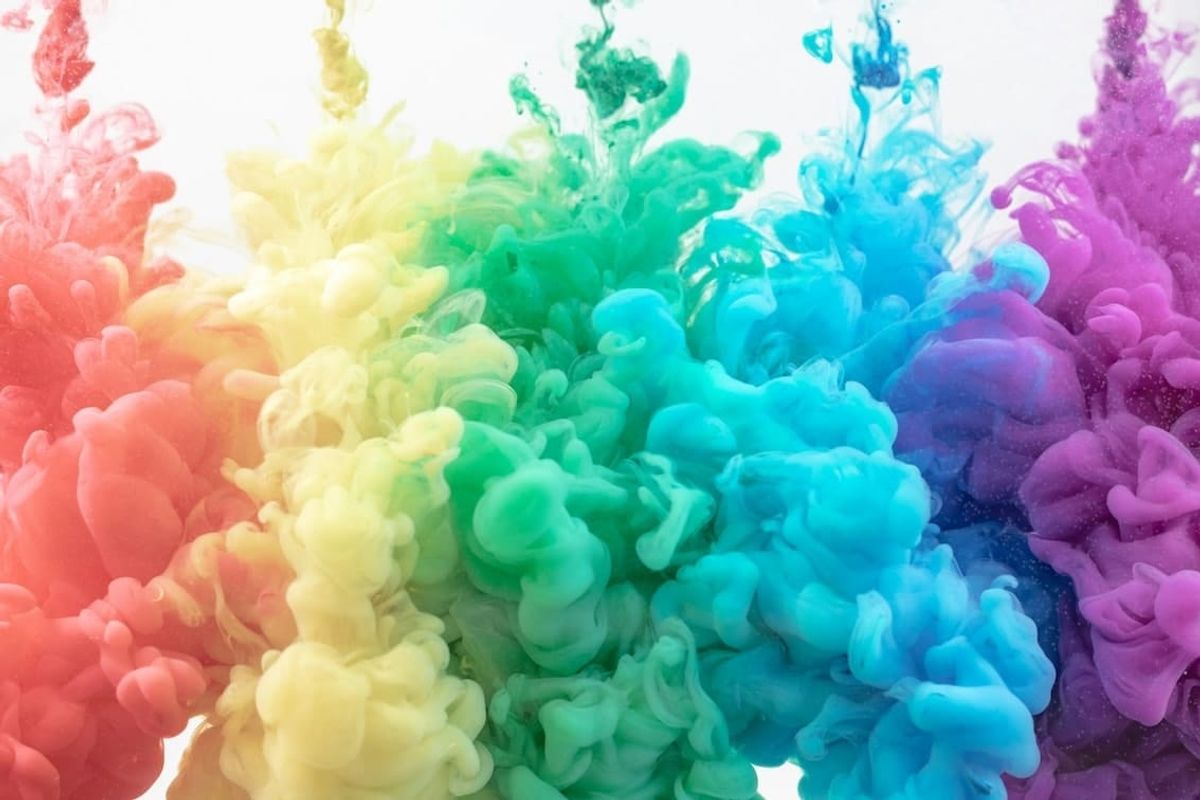
Monochromatic Magic
Monochromatic themes rely on varying shades and textures of a single color to create a cohesive look.
For example, focusing on blue could involve navy, royal, and blue in elements like tablecloths, balloons, and napkins.
Adding glitter or sequins can enhance the depth while maintaining uniformity.
Seasonal Colors
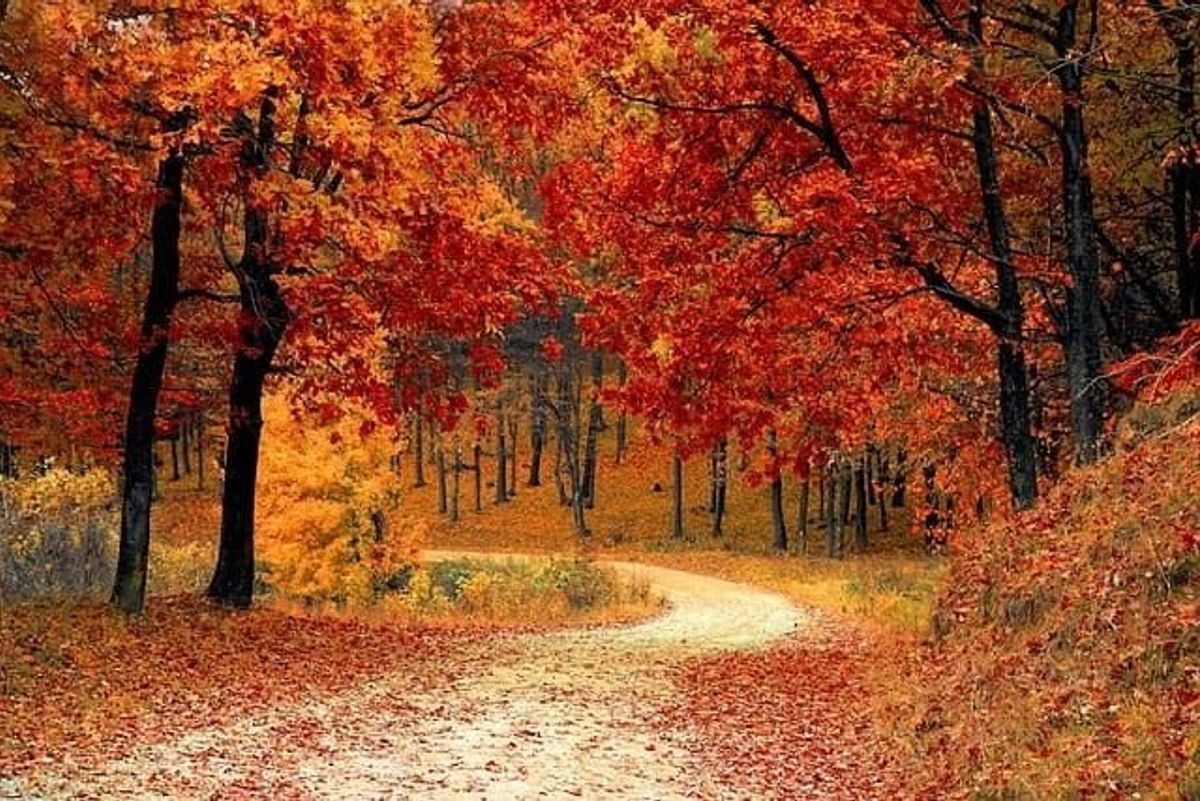
Seasonal palettes can be an accessible choice, reflecting the time of year.
Spring events may feature pastel tones like pink and yellow, while winter occasions could incorporate deeper hues such as green, purple, and gold to evoke a sense of warmth and elegance.
Bright and Bold Themes
Bright and bold color themes can energize party spaces, making them ideal for lively celebrations.
Combinations like red, teal, and yellow can create a visually striking environment, especially for birthday parties or other upbeat gatherings.
Birthday Party Color Schemes
Bright and Bold
Lively color combinations may enhance the celebratory mood of birthday parties.
Ready to Grow Your Business?
Get a custom strategy tailored to your goals.
Bright pink, teal and yellow can work well with decorations like balloons, streamers, and confetti to energize the event space.
Pastel Paradise
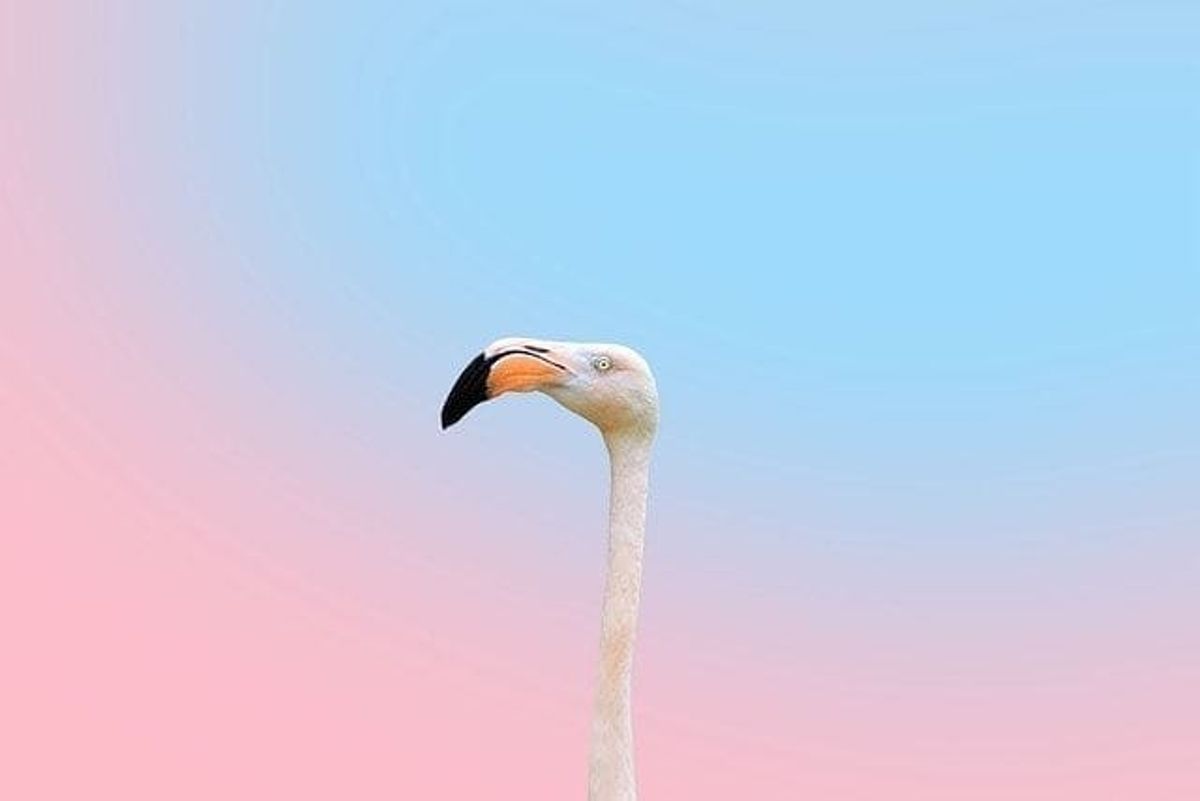
For a softer ambiance, pastel shades might provide a dreamy atmosphere.
Colors such as lavender, light blue, and pale pink, along with floral accents and lace details, can create a whimsical and elegant setting.
This approach can be fitting for family-oriented events.
DIY Decorations and Ideas
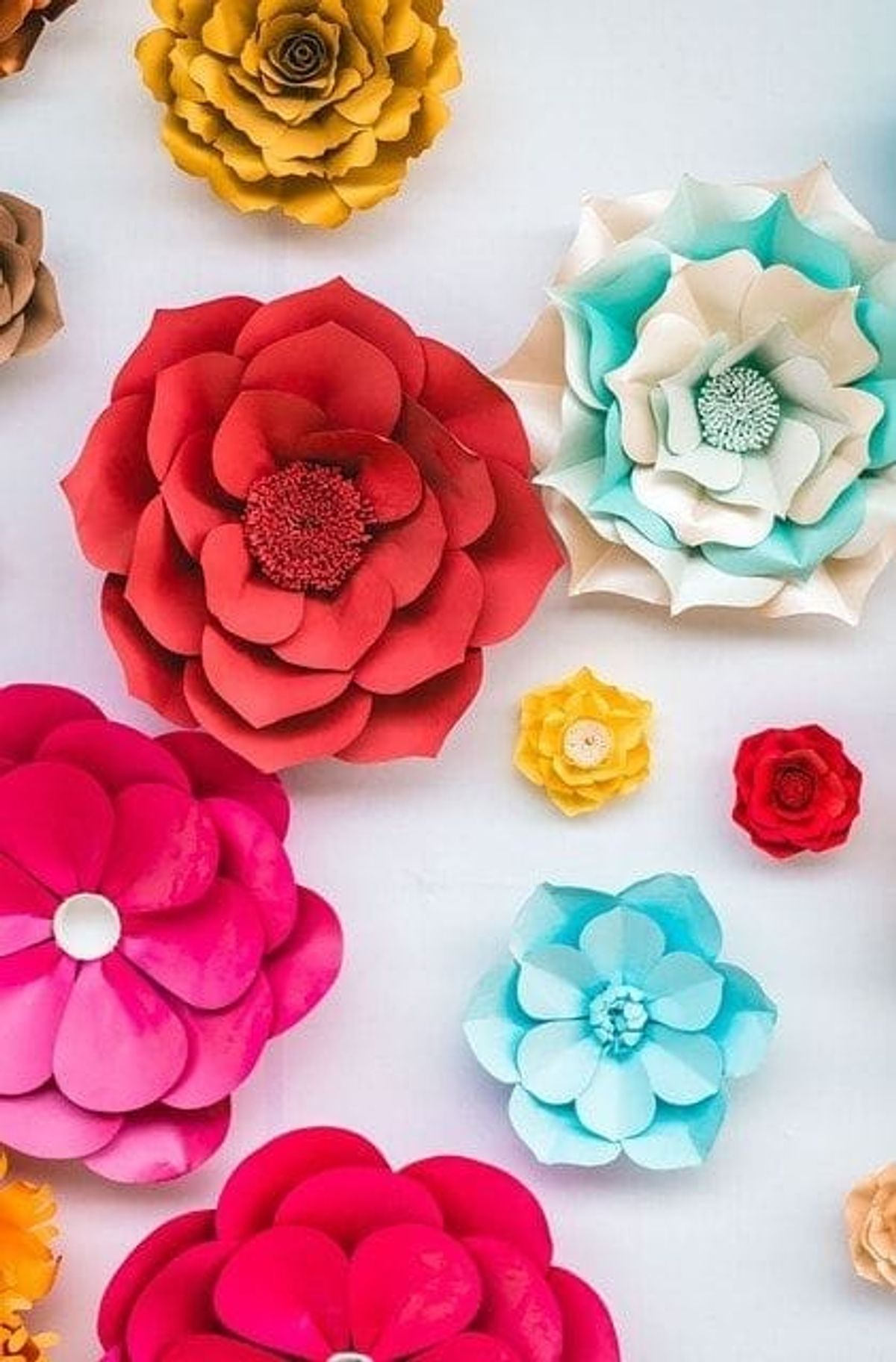
Flower Arrangements
Flowers can enhance any color scheme. Bold roses for vibrant themes or delicate daisies for softer palettes might add a visually appealing touch.
Pairing flowers with greenery could provide additional depth and texture.
Table Décor
Table settings can establish the event’s aesthetic. Using matching tablecloths, napkins, and centerpieces can tie the theme together.
For monochromatic schemes, experimenting with different shades of the chosen color might create a dynamic and engaging look.
Party Theme Ideas
Rustic and Earthy
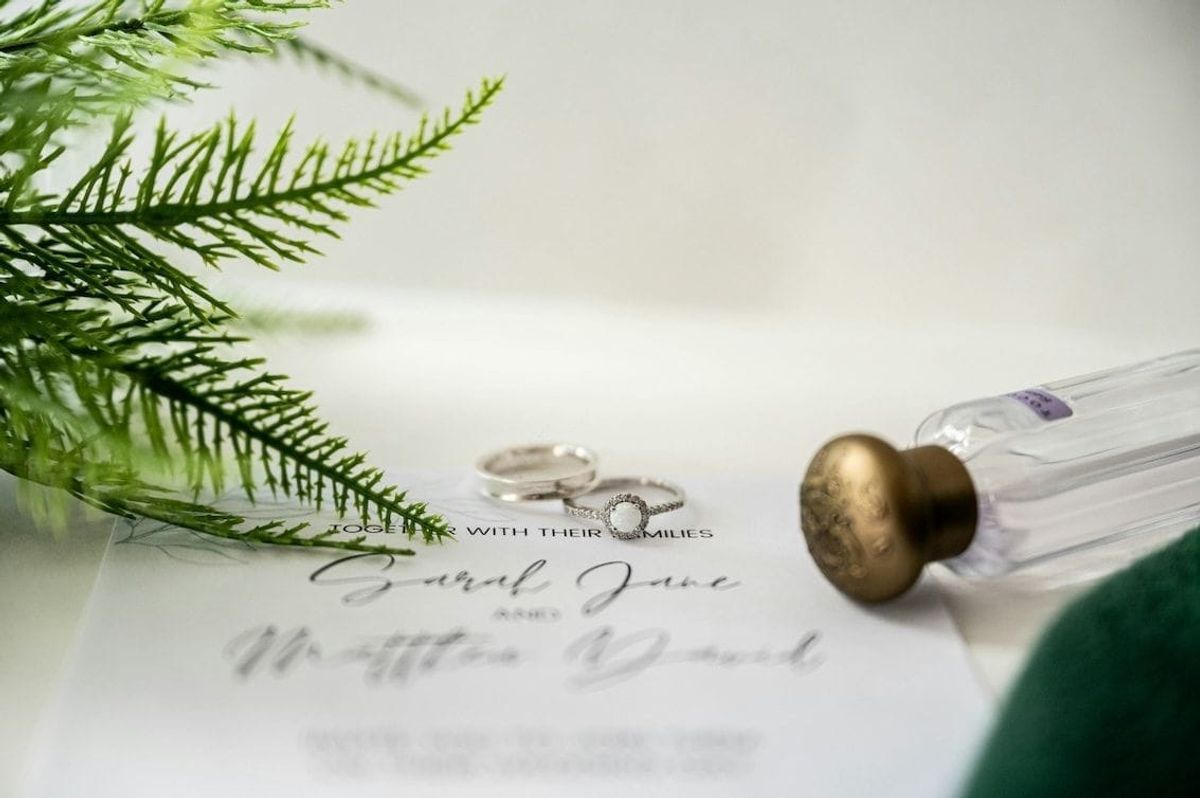
Rustic themes may benefit from earthy tones like brown, beige, and forest green.
Natural elements such as wood accents, pinecones, and burlap ribbons could create a cozy and inviting atmosphere.
Rainbow Themes
A rainbow color scheme embraces a variety of hues, can offer a vibrant and inclusive celebration.
Balloons, desserts, and drinks featuring multiple colors may transform the event into a playful and visually captivating display.
Final Tips for Choosing a Party Color Scheme

Explore the Color Wheel
Using a color wheel may assist in identifying complementary colors.
This tool might be particularly useful when experimenting with unconventional combinations.
Ready to Grow Your Business?
Get a custom strategy tailored to your goals.
Match the Desired Mood
Colors can influence the ambiance of an event.
Warmer tones like red and orange might create a lively atmosphere, while cooler shades like blue and green may evoke calmness.
Selecting a palette that aligns with the event’s tone could be helpful.
Allow Flexibility
Plans can evolve, and staying adaptable might lead to even better results. Drawing inspiration from past events could provide additional clarity and ideas.
With thoughtful planning and creativity, crafting memorable color themes for parties can become an enjoyable process.
Whether organizing a formal event or a casual celebration, a well-chosen color palette may set the stage for a remarkable experience.
Psychology of Color in Party Planning
Understanding color psychology can significantly impact how guests perceive and enjoy your celebration. Red stimulates appetite and conversation, making it ideal for dinner parties and social gatherings where interaction is key. Blue promotes tranquility and trust, perfect for professional events or intimate gatherings where you want guests to feel comfortable and relaxed. Yellow encourages optimism and creativity, excellent for children's parties, art-themed events, or brainstorming sessions.
Green represents growth and harmony, making it suitable for milestone celebrations like graduations or new beginnings. Purple conveys luxury and sophistication, ideal for upscale events, milestone birthdays, or formal celebrations. Orange combines the energy of red with the cheerfulness of yellow, creating an enthusiastic atmosphere perfect for casual gatherings or outdoor events. When selecting your color palette, consider the emotional response you want to evoke and how different hues might influence guest behavior and mood throughout the event.
Cultural considerations also play a crucial role in color selection. White symbolizes purity in Western cultures but represents mourning in some Eastern traditions. Red signifies luck and prosperity in Chinese culture but can indicate danger or warning in others. Research your guest demographics and cultural backgrounds to ensure your color choices resonate positively with all attendees and avoid unintentional cultural insensitivity.
Budget-Friendly Color Coordination Strategies
Creating stunning color themes doesn't require breaking the bank. Start by establishing a primary color and incorporating inexpensive accent pieces in complementary shades. Dollar stores often carry solid-colored plates, napkins, and basic decorations that can be mixed and matched effectively. Focus your budget on 2-3 key focal points like the entrance, main table, or photo backdrop, then use simpler color coordination throughout the rest of the space.
DIY color solutions can stretch your budget significantly further. Create tissue paper flowers in your chosen colors, paint mason jars for centerpieces, or use colored lighting to transform any space instantly. Fabric stores offer remnant materials perfect for table runners, chair sashes, or backdrop creation at fraction of retail decoration costs. Food coloring can transform white frosting, drinks, or ice cubes to match your theme without expensive specialty items.
Strategic shopping timing can maximize your color theme budget. Purchase decorations after major holidays when stores clear seasonal inventory at deep discounts. Buy white or neutral base items year-round, then add seasonal color accents as needed. Consider renting or borrowing larger colored items like linens, chairs, or serving pieces from friends, family, or local rental companies. Social media marketplace platforms often offer gently used party supplies at substantial savings.
Color Theme Execution and Coordination
Successful color theme implementation requires strategic planning across all visual elements. Create a master color palette using the 60-30-10 rule: 60% dominant color, 30% secondary color, and 10% accent color. This professional design principle prevents overwhelming guests while maintaining visual interest. Document your exact color selections using paint swatches or digital color codes to ensure consistency when purchasing decorations, flowers, or coordinating with vendors.
Lighting plays a crucial role in how colors appear throughout your event. Natural daylight, warm incandescent bulbs, and cool LED lighting can dramatically alter how your chosen colors look to guests. Test your color combinations under the actual lighting conditions where your party will occur. Consider using colored bulbs, string lights, or uplighting to enhance your theme, especially for evening events where lighting becomes a primary design element.
Coordinate color themes across all party elements including invitations, food presentation, guest attire suggestions, and even party favors. Include color guidance on invitations to encourage guest participation in your theme. Plan menu items that complement your color palette - serve pink lemonade for a pink theme or chocolate desserts for brown and gold schemes. Create a timeline for decoration setup, starting with large background elements and finishing with detailed accent pieces to ensure cohesive color flow throughout your space.

Ready to Grow Your Business?
Get a custom strategy tailored to your goals.
Frequently Asked Questions
How do I choose the best color scheme for a birthday party based on the theme?
Consider the party's atmosphere and guest of honor's preferences. For energetic celebrations, use bright and bold combinations like red, teal, and yellow with balloons and streamers. For softer ambiance, try pastel paradise themes with lavender, light blue, and pale pink paired with floral accents. Themed parties should align colors with the concept - teal and gold for tropical luaus, or purple and black for mysterious masquerade events.
What are the best seasonal color combinations for wedding party decorations?
Spring weddings benefit from pastel tones like soft pink, yellow, and light blue with floral accents. Summer celebrations can feature bright combinations or ocean-inspired blues and greens. Fall weddings work well with rich oranges, deep reds, and gold tones. Winter occasions call for elegant deeper hues like emerald green, purple, and gold to create warmth and sophistication in the celebration atmosphere.
How can I create a monochromatic party theme that doesn't look boring?
Use varying shades and textures of your chosen color to create depth and visual interest. For a blue theme, incorporate navy, royal blue, and light blue across tablecloths, balloons, and napkins. Add glitter, sequins, or metallic accents to enhance the depth while maintaining color uniformity. Experiment with different materials and finishes in your chosen color to create a dynamic and engaging monochromatic look.
What nature-inspired color palettes work best for outdoor party celebrations?
Draw inspiration from seasonal transitions and natural landscapes. Spring offers fresh pastels from blooming flowers, while fall provides rich oranges and reds from changing leaves. Ocean themes with blues and teals work well for summer gatherings. Mountain-inspired palettes with earthy browns, forest greens, and beige create rustic atmospheres. Sunset colors combining oranges, pinks, and purples can create stunning outdoor celebration backdrops.
How do I incorporate DIY flower arrangements into my party color scheme effectively?
Match flower choices to your color theme - use bold roses for vibrant schemes or delicate daisies for softer palettes. Pair flowers with complementary greenery to add depth and texture. For monochromatic themes, select flowers in varying shades of your chosen color. Consider seasonal blooms that naturally align with your palette, and use flowers as centerpieces or accent pieces throughout table settings to tie the entire theme together.
What are the most popular bright and bold color combinations for energetic party themes?
Red, teal, and yellow create visually striking environments perfect for birthday parties and upbeat gatherings. Bright pink combined with teal and yellow works well with decorations like balloons, streamers, and confetti. These vibrant combinations energize party spaces and enhance celebratory moods. Use these colors across multiple decoration elements - tablecloths, napkins, balloons, and party favors - to create a cohesive and lively atmosphere.
Related Resources
Calculators
Case Studies
Pricing Guides
Related Articles

10 Unique Themes for Parties That Will Wow Your Guests
Find unique theme ideas to create unforgettable events. Discover themes for dinner parties, theme nights and more.

Event Theme Ideas: From Classic to Quirky
Discover classic to quirky event themes for corporate gatherings and parties. Make your next event unforgettable with the perfect theme.

Event and Party: Planning for Memorable Experiences
Planning an event and party can be a rewarding process that brings people together to celebrate, create memories, and share meaningful experiences. Whether it's a wedding, a corporate gathering, o